Best Soil for Bermuda grass (Cynodon dactylon)

Cynodon dactylon grows best in loose, well-drained soil with a suitable pH, which supports steady root spread and healthier turf.

Soil Texture

Sandy, Loamy, Clay

Soil pH

Acidic (5.5–6.5), Slightly alkaline (7.0–7.5)

Soil Drainage

Well-drained

Cynodon dactylon Soil Guide

Native to Africa, Europe, Asia, and Australia, Cynodon dactylon comes from warm, open sites such as grasslands, roadsides, and disturbed ground. That background explains its preference for well-drained soil that does not stay dense or soggy for long.

Its spreading roots and rhizomes perform best in soil with enough air movement to support steady growth and recovery. Sandy, loamy, and even clay-based ground can suit it if drainage is good. The best soil for Bermuda grass holds some moisture, but still dries enough to keep the root zone oxygen-rich.

A custom mix can help create the balance of airflow and moisture control that Cynodon dactylon needs in containers or problem spots.

100% total mix = 20 scoops
10%
perlite or pumice2 scoops
20%
coarse sand4 scoops
30%
compost or screened organic matter6 scoops
40%
sandy topsoil8 scoops

The finished blend should feel crumbly and gritty, hold together lightly when squeezed, and let excess water pass through without staying heavy.

A practical target for Bermuda grass is about 5.5–7.5 pH. This species handles mildly acidic to slightly alkaline soil, which matches its broad natural adaptability.

Within that range, nutrients stay more available to roots, especially key elements tied to steady green growth and recovery. If pH drifts too far in either direction, nutrient uptake can become less efficient even when the soil is otherwise in good condition.

This species spreads aggressively when roots have oxygen, but dense or stagnant soil can slow that growth. Several soil-related issues are worth checking first.

Compacted soil:

Compacted soil: if the surface feels hard and growth thins or slows, loosen the top layer carefully and reduce foot traffic over the area.

Poor drainage:

Poor drainage: if water lingers after rain or irrigation, improve runoff and open the soil so roots are not sitting in saturated conditions.

Heavy thatch mixing into soil:

Heavy thatch mixing into soil: when old organic debris builds up at the surface, rake it out so air and water move more evenly.

Low organic content:

Low organic content: if the soil seems lifeless and dries unevenly, work in a moderate amount of finished organic matter to improve structure.

Get the Soil Right

Botan helps match this plant to a more suitable soil setup by combining care guidance with plant identification and condition checks.

FAQ

Usually yes. Loosen the site first and remove rubble, dense clods, and heavy weed pressure so roots can spread into a more even, breathable profile.

More Plant Soil Guides

Check Your Soil Choice

If growth looks off, soil may be one factor worth checking. Botan’s photo-based assessment can help you narrow down likely causes.

Botan app helping with soil and plant care
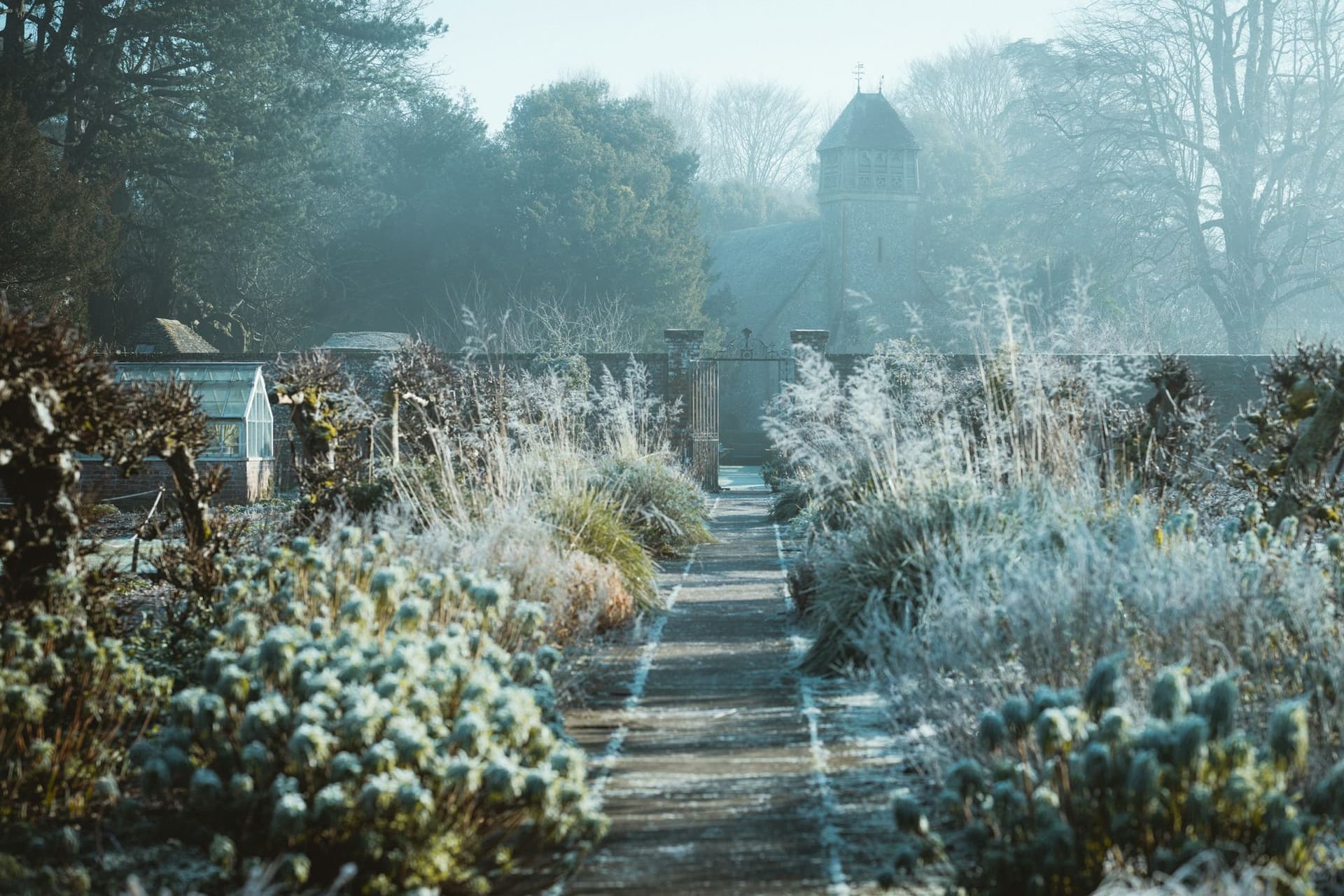
How to Winterize Your Garden in 6 Steps

5 min read · 28 Sept 2026

How to Winterize Your Garden in 6 Steps

Learn how to prepare your garden for winter with a practical six-step checklist covering cleanup, tender plant care, watering, mulching, winter protection, and winterizing equipment and containers.

Plant Care
How to Winterize Your Garden in 6 Steps
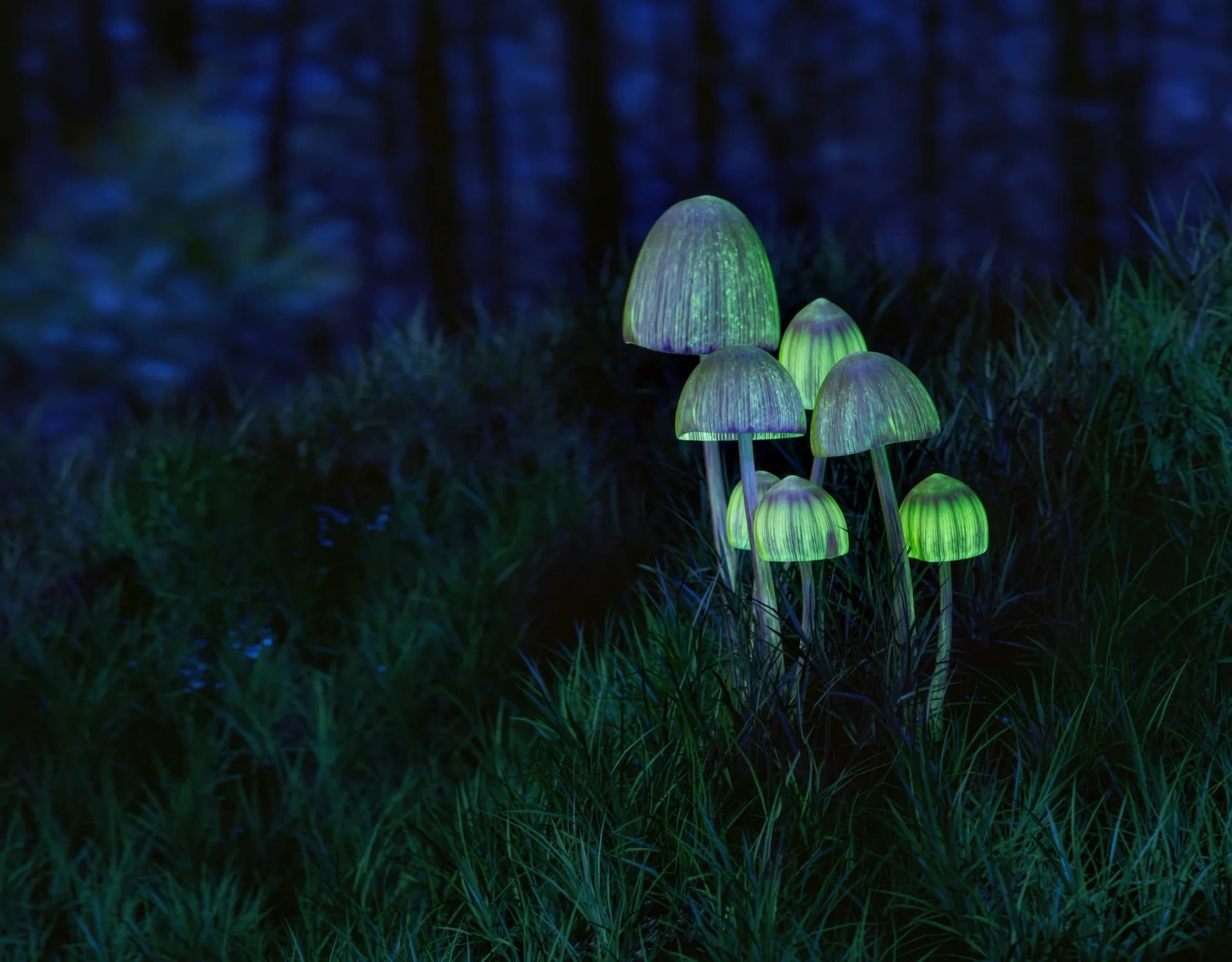
8 Glow-in-the-Dark Plants and Fungi That Really Exist

8 min read · 6 Nov 2026

8 Glow-in-the-Dark Plants and Fungi That Really Exist

Plants that glow in the dusk really exist. Some of them produce their own light, while others need UV exposure or special treatments. Explore eight fascinating examples, including glowing petunias, bioluminescent mushrooms, fluorescent flowers, and experimental succulents.

Plant Recommendations
8 Glow-in-the-Dark Plants and Fungi That Really Exist
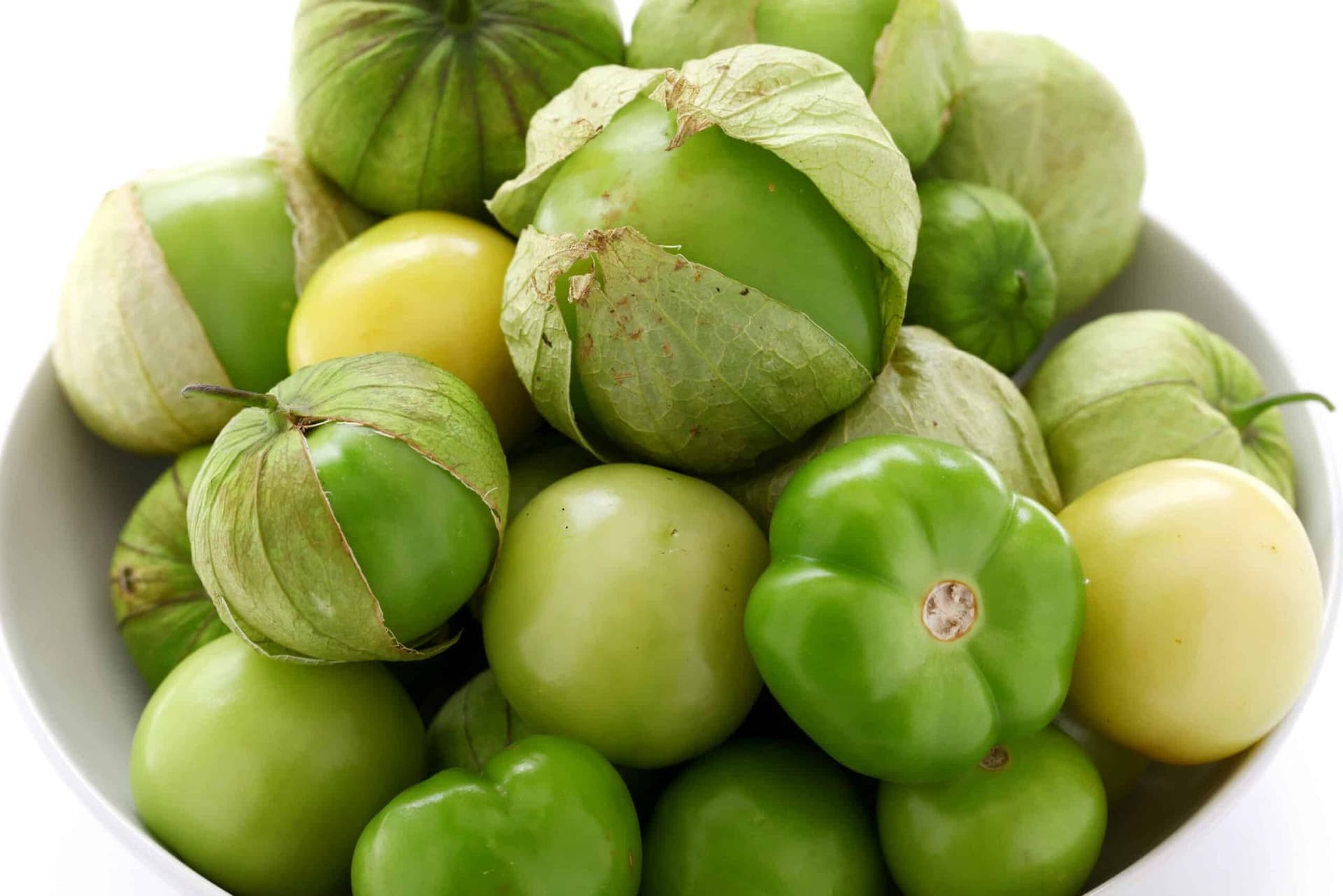
When to Harvest Tomatillos: How to Tell When They're Ripe

4 min read · 20 Oct 2026

When to Harvest Tomatillos: How to Tell When They're Ripe

Tomatillos grow inside papery husks, making it hard to judge ripeness at a glance. This guide explains how to know when tomatillos are ripe and offers practical advice on harvesting and storage.

Plant Recommendations
When to Harvest Tomatillos: How to Tell When They're Ripe