


Best Soil for Yarrow (Achillea millefolium)

Achillea millefolium grows best in loose, well-drained soil with a balanced pH, which supports steady root growth and long-term plant health.

Soil Texture

Sandy, Loamy, Rocky

Soil pH

Slightly acidic (6.5–7.0), Slightly alkaline (7.0–7.5)

Soil Drainage

Well-drained

Achillea millefolium Soil Guide

Native across much of the Northern Hemisphere, Achillea millefolium is often found in open meadows, roadsides, and rocky ground. Those settings explain its preference for soil that drains quickly and stays airy rather than dense or soggy.

The best soil for Yarrow is sandy, loamy, or gravelly, with a modest amount of organic matter and a slightly acidic to slightly alkaline reaction. Its spreading root system and rhizomatous growth are better supported by loose, mineral-rich soil that holds some moisture but dries readily between waterings.

A simple homemade mix works well when Achillea millefolium needs a lighter, faster-draining root zone than standard potting soil provides.

100% total mix = 20 scoops
10%
small gravel or fine grit2 scoops
20%
perlite or pumice4 scoops
30%
coarse sand6 scoops
40%
potting soil8 scoops

The finished blend should feel open and slightly gritty, hold together loosely in the hand, and let excess moisture move through without staying heavy.

A good target is 6.5–7.5 pH. This places the soil in the slightly acidic to slightly alkaline range, which suits Yarrow well and supports steady nutrient availability.

Within that range, key nutrients stay accessible without pushing the root zone too far acidic or too alkaline. The species is fairly adaptable, but strongly off-range soil can gradually limit how efficiently roots take up nutrients.

Most soil issues with Yarrow develop slowly and are easier to correct early. Check texture, airflow, and surface condition before assuming a larger problem.

Compacted soil:

Dense soil limits airflow around roots and often stays wet too long, so gently loosen the top layer and replace part of the mix if it feels tight.

Poor drainage:

Water that lingers in the root zone can stress the plant over time, so move it into a freer-draining medium and confirm excess water can exit easily.

Heavy organic buildup:

Too much decomposed material can make the root area overly moisture-retentive, so scrape away some of the richest top layer and refresh with a leaner blend.

Crusted soil surface:

A hard surface can block airflow and slow even moisture movement, so break it up carefully and top up with fresher material that stays more open.

Soil Help, Fast

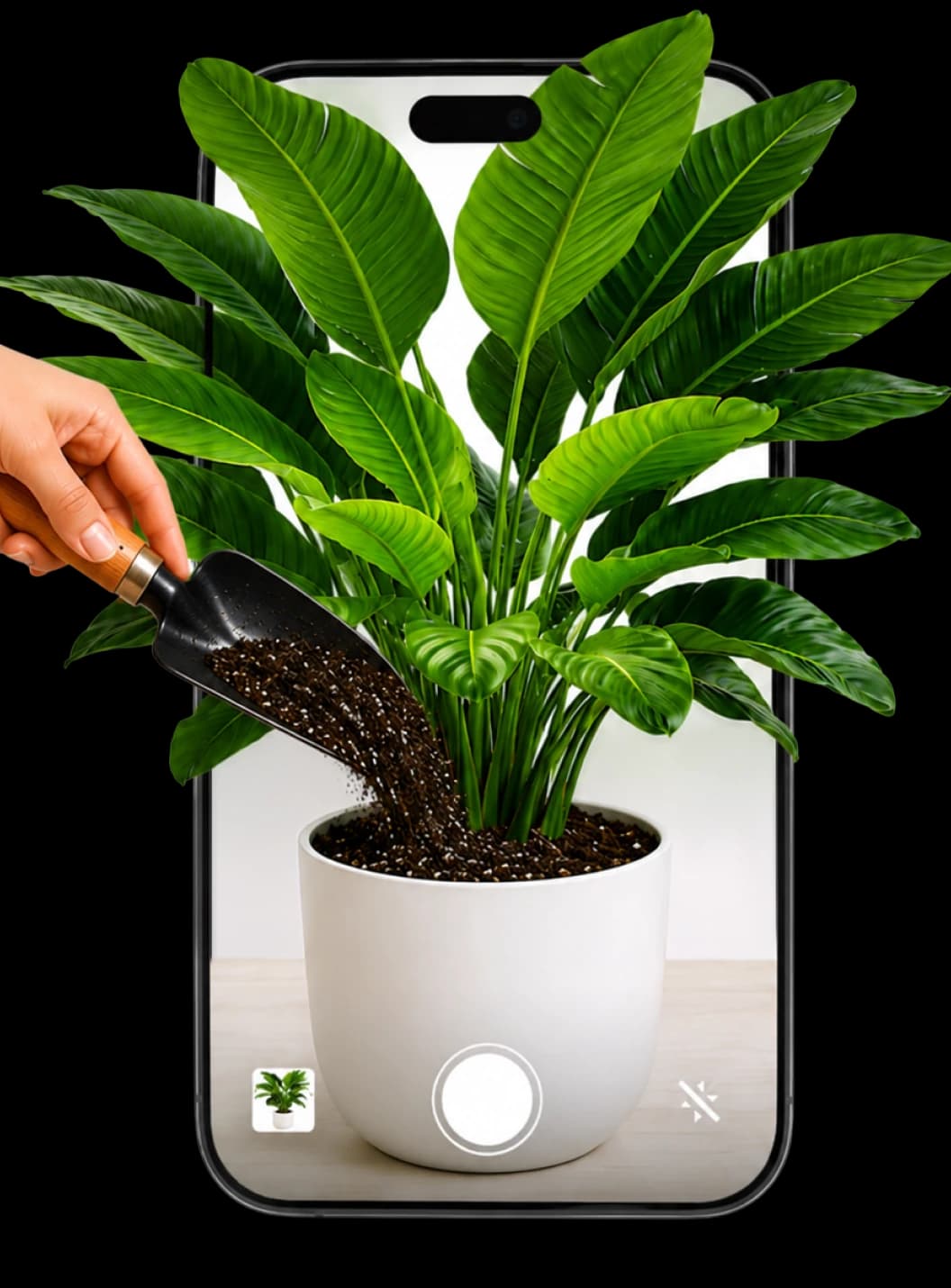
Botan helps match this plant to a more suitable soil setup by combining plant ID with clear, practical care guidance.

FAQ

Yes. Drainage holes are important because they let excess water leave the container instead of collecting around the roots, which helps keep the mix more balanced and reduces the risk of stagnant, heavy conditions.

More Plant Soil Guides

See If Soil Is the Issue

A quick photo check in Botan can help show whether soil may be part of the problem and what to review next.

Botan app helping with soil and plant care
12 Most Wanted Rare Houseplants to Grow at Home

6 min read · 21 Sept 2026

12 Most Wanted Rare Houseplants to Grow at Home

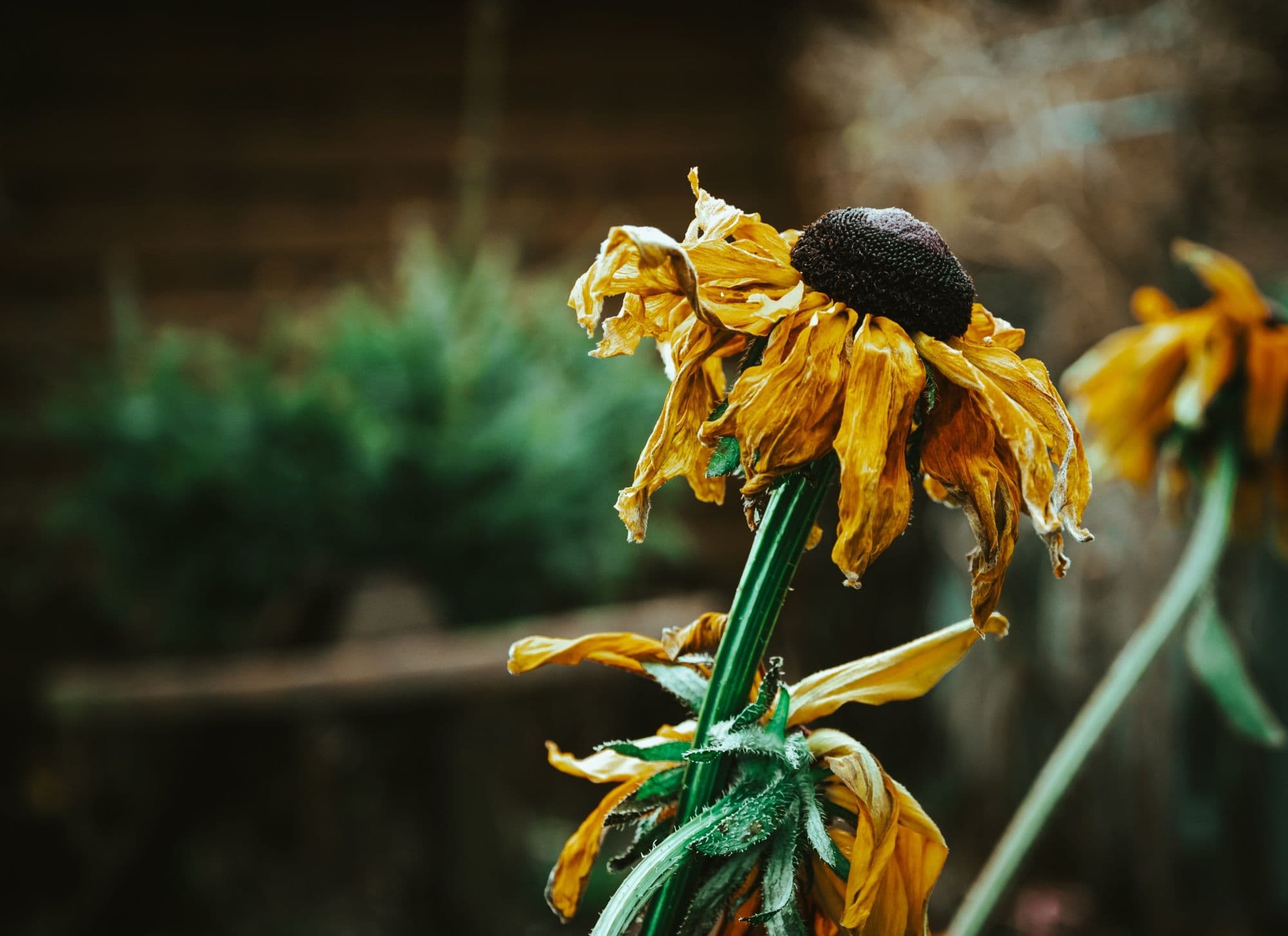
Rare houseplants can turn an ordinary corner in your apartment into a living botanical collection. This guide covers 12 most admired picks, what makes them special, and how to grow them successfully at home.

Plant Recommendations
12 Most Wanted Rare Houseplants to Grow at Home
How to Tell if a Plant Is Dead

6 min read · 19 Aug 2026

How to Tell if a Plant Is Dead

A plant can lose its leaves, stop growing, or collapse and still remain alive. A closer look at the stems, roots, bulbs, and tubers can show whether the plant still has a chance to recover.

Beginner Guides
How to Tell if a Plant Is Dead
12 Best Landscaping Trees for Your Garden

8 min read · 6 Oct 2026

12 Best Landscaping Trees for Your Garden

Choosing the landscape tree depends on what your garden needs most. These 12 options include compact flowering specimens, colorful deciduous trees, shade varieties, and evergreens suitable for screening and year-round structure.

Plant Recommendations
12 Best Landscaping Trees for Your Garden