12 Best Landscaping Trees for Your Garden
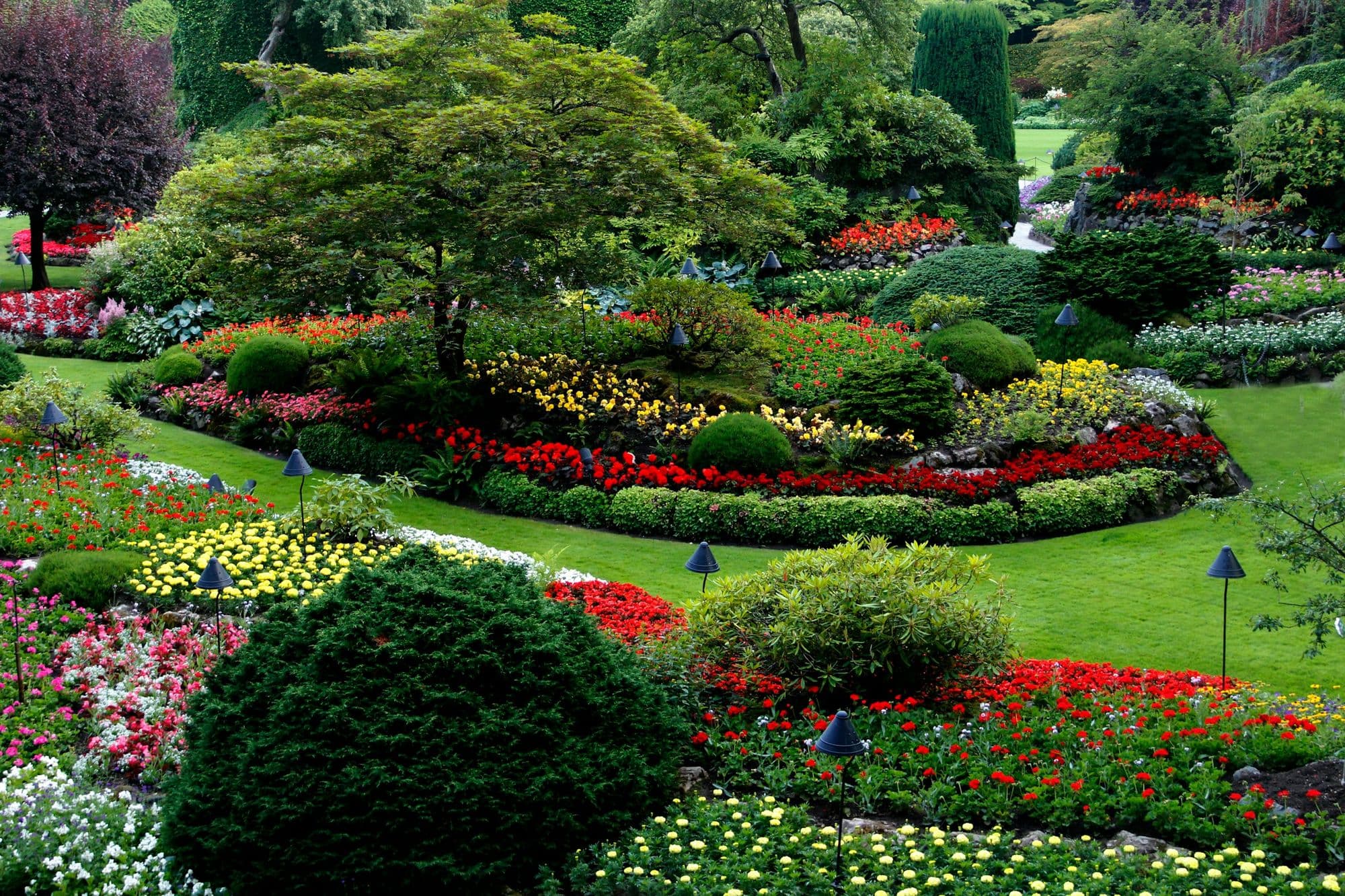
Choosing the landscape tree depends on what your garden needs most. These 12 options include compact flowering specimens, colorful deciduous trees, shade varieties, and evergreens suitable for screening and year-round structure.

On this page
- 1. Japanese Maple (Acer palmatum)
- 2. Eastern Redbud (Cercis canadensis)
- 3. Flowering Dogwood (Cornus florida)
- 4. Crape Myrtle (Lagerstroemia indica)
- 5. Downy Serviceberry (Amelanchier arborea)
- 6. Little Gem Magnolia (Magnolia grandiflora ‘Little Gem’)
- 7. American Arborvitae (Thuja occidentalis)
- 8. American Holly (Ilex opaca)
- 9. Ginkgo (Ginkgo biloba)
- 10. River Birch (Betula nigra)
- 11. Northern Red Oak (Quercus rubra)
- 12. Katsura Tree (Cercidiphyllum japonicum)
- How to Choose Landscaping Trees for Your Garden
Landscaping trees add shade, privacy, screening, or seasonal color to a garden. But the right choice depends on your space, growing conditions, and landscaping goals. From compact Japanese maple to large Northern red oak, this guide compares 12 options for different needs.
Before exploring each tree in detail with additional insights from Botan, see their best uses and landscaping roles in the table below.
Plant Name | Best For | Landscaping Uses |
Compact gardens and focal points | Patio, understory, specimen | |
Spring pink-purple blooming | Spring accent, woodland edge, small lawn | |
Four-season interest | Understory, specimen, wildlife garden | |
Summer flowers | Summer accent, street planting, privacy plantation, specimen | |
Wildlife gardens | Border, specimen, understory | |
Little Gem Magnolia | Compact evergreen structure | Small screen, patio, specimen |
Privacy | Hedge, screening, windbreak | |
Evergreen interest | Privacy, wildlife garden, screen, specimen | |
Urban landscapes | Shade, specimen, street tree | |
Moist sites | Shade, rain garden | |
Large yards | Canopy, shade, large-scale planting | |
Fall interest | Specimen, shade, lawn tree |
1. Japanese Maple (Acer palmatum)
.jpg%3F2026-10-06T06%253A19%253A40.535Z&w=2880&q=75)
Japanese maple is a classic tree for landscaping. Thanks to its rounded top, graceful branching, and finely divided foliage of dark crimson color, this plant creates an aesthetically pleasing Asian atmosphere.
And its modest mature size works well near patios and in smaller yards. Grow Japanese maple in moist, well-drained soil in places without droughts or frosts.
- Hardiness Zone: 5-8
- Mature Height: 4-8 m
- Mature Width: 4-8 m
- Light Needs: Dappled light to partial shade
- Moisture Requirements: Moist, well-drained soil
- Care Difficulty: Moderate
- Best For: Small gardens and focal points
- Landscaping Uses: Specimen, understory, patio tree
Keep Plants Thriving
Get simple care guidance tailored to each plant’s needs in the app
2. Eastern Redbud (Cercis canadensis)
.jpg%3F2026-10-06T06%253A20%253A32.339Z&w=2880&q=75)
This ornamental tree is known for pink-purple spring flowers that appear before its heart-shaped leaves. It fits comfortably into residential landscapes due to its small size.
Eastern redbud is one of the pollinator-friendly landscape trees, so it also works well for producing honey.
- Hardiness Zone: 4–9
- Mature Height: 8-12 m
- Mature Width: 4-8 m
- Light Needs: Full sun to partial shade
- Moisture Requirements: Moist, well-drained
- Care Difficulty: Easy
- Best For: Spring color
- Landscaping Uses: Spring accent, woodland edge, small lawn
3. Flowering Dogwood (Cornus florida)
.jpg%3F2026-10-06T06%253A21%253A31.228Z&w=2880&q=75)
When choosing small trees for landscaping, pay attention to flowering dogwood. It combines spring bracts, red fall foliage, attractive branching, and fruits used by wildlife. According to the Royal Horticultural Society, flowering dogwood prefers well-drained, organic-rich soil.
In a region with a warm climate, it’s important to protect the tree from intense afternoon sun.
- Hardiness Zone: 5–9
- Mature Height: 4-8 m
- Mature Width: 4-8 m
- Light Needs: Full sun to partial shade
- Moisture Requirements: Moist, well-drained soil
- Care Difficulty: Moderate
- Best For: Four-season interest
- Landscaping Uses: Specimen, understory, wildlife garden
4. Crape Myrtle (Lagerstroemia indica)
.jpg%3F2026-10-06T06%253A22%253A56.024Z&w=2880&q=75)
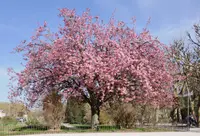
Crape myrtle is one of the most ornamental trees for landscaping thanks to its crepe paper-like petals of summer flowers, colorful fall foliage, and attractive exfoliating bark.
This deciduous plant grows well in warm-climate places with full sun and moist, well-drained soil. It shows useful drought tolerance.
- Hardiness Zone: 6-9
- Mature Height: 4-8 m
- Mature Width: 4-8 m
- Light Needs: Full sun
- Moisture Requirements: Well-drained; tolerates occasional dryness
- Care Difficulty: Moderate
- Best For: Summer flowers and warm climates
- Landscaping Uses: Specimen, street tree, privacy planting
5. Downy Serviceberry (Amelanchier arborea)
.jpg%3F2026-10-06T06%253A23%253A51.061Z&w=2880&q=75)
Downy serviceberry is attractive with its fragrant white spring flowers, toothed foliage with hairy underside, mature bark with vertical splits and furrows, and edible red or purple blueberry-like fruits. It is useful for songbirds, small mammals, bees, and butterflies.
- Hardiness Zone: 4-9
- Mature Height: 5-8 м and taller
- Mature Width: 5-8 m
- Light Needs: Full sun to partial shade
- Moisture Requirements: Moist, well-drained
- Care Difficulty: Easy
- Best For: Wildlife-friendly gardens
- Landscaping Uses: Border, specimen, understory
6. Little Gem Magnolia (Magnolia grandiflora ‘Little Gem’)
.jpg%3F2026-10-06T06%253A25%253A02.033Z&w=2880&q=75)
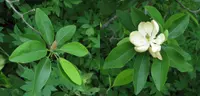
This evergreen tree is a small analog of the Southern magnolia thanks to similar glossy foliage and fragrant white flowers. Reaching 4-8 m in height and up to 4 wight makes it more practical for residential landscapes.
Royal Horticultural Society lists moist, well-drained soil and full sun to partial shade as the best conditions for Little Gem Magnolia.
- Hardiness Zone: 7–9
- Mature Height: 4-8 m
- Mature Width: 2.5-4 m
- Light Needs: Full sun to partial shade
- Moisture Requirements: Moist, well-drained soil
- Care Difficulty: Moderate
- Best For: Compact evergreen structure
- Landscaping Uses: Specimen, patio, small screen
Not sure what landscape tree is it?
Scan an unfamiliar plant and get useful care details
7. American Arborvitae (Thuja occidentalis)
.jpg%3F2026-10-06T06%253A26%253A22.389Z&w=2880&q=75)
If you are considering creating privacy or screening on the territory of your cottage, American arborvitae is a perfect option.
After all, this dense evergreen with needles and a pyramidal habit works well when it’s important to hide from prying eyes and the wind.
- Hardiness Zone: 3-7
- Mature Height: 12-18 m
- Mature Width: 3-5 m
- Light Needs: Full sun to partial shade
- Moisture Requirements: Moist, well-drained; occasionally dry
- Care Difficulty: Easy
- Best For: Privacy
- Landscaping Uses: Screen, hedge, windbreak
8. American Holly (Ilex opaca)
.jpg%3F2026-10-06T06%253A27%253A21.970Z&w=2880&q=75)
The value of this evergreen lies in its naturally conical to pyramidal habit, broad leaves, and huge size, which make it an effective year-round screen.
If a compatible pollinator is nearby, female trees bloom with white flowers in spring that produce red or orange berries in autumn.
- Hardiness Zone: 5–9
- Mature Height: 12 m and higher
- Mature Width: 4-8 m
- Light Needs: Full sun to partial shade
- Moisture Requirements: Moist, well-drained; adaptable
- Care Difficulty: Easy
- Best For: Evergreen privacy and wildlife
- Landscaping Uses: Screen, barrier, specimen
9. Ginkgo (Ginkgo biloba)
.jpg%3F2026-10-06T06%253A28%253A39.811Z&w=2880&q=75)
Among shade plants, ginkgo is worth mentioning. This hardy deciduous tree with distinctive fan-shaped leaves and brilliant yellow fall color fits perfectly into urban conditions once established. It tolerates heat, drought, and air pollution.
North Carolina State University Extension advises planting grafted male trees, as female options produce messy, strong-smelling seeds.
- Hardiness Zone: 3-9
- Mature Height: 12 m and higher
- Mature Width: 4-8 m
- Light Needs: Full sun
- Moisture Requirements: Well-drained; tolerates occasional dryness
- Care Difficulty: Low to moderate
- Best For: Urban and drought-tolerant landscapes
- Landscaping Uses: Shade, specimen, street tree
10. River Birch (Betula nigra)
.jpg%3F2026-10-06T06%253A37%253A38.162Z&w=2880&q=75)
River birch is a fast-growing native tree valued for peeling bark, an airy crown, and adaptability to wet ground. Although this plant grows well in moist soil, it can thrive during occasional dryness once established.
Keep in mind that it needs considerably more space than typical ornamental plants due to its broad mature spread.
- Hardiness Zone: 4-9
- Mature Height: 12 m and higher
- Mature Width: 4-7 m
- Light Needs: Full sun to partial shade
- Moisture Requirements: Moist; tolerates occasionally wet soil
- Care Difficulty: Moderate
- Best For: Moist sites
- Landscaping Uses: Shade tree, rain garden, naturalized area
11. Northern Red Oak (Quercus rubra)
.jpg%3F2026-10-06T06%253A38%253A53.974Z&w=2880&q=75)
If your main goal in landscaping is a substantial long-term canopy, Northern red oak, reaching 15-23 meters in height and approximately as wide, is one of the suitable types of plants.
This fast-growing deciduous tree with a broad, spreading crown creates significant summer shade. It grows well in places where roots and branches have enough space to develop.
- Hardiness Zone: 3-8
- Mature Height: 15-23 m
- Mature Width: 15-23 m
- Light Needs: Full sun to partial shade
- Moisture Requirements: Moist, well-drained; occasionally dry
- Care Difficulty: Easy
- Best For: Large yards and shade
- Landscaping Uses: Canopy tree, lawn tree, large-scale planting
12. Katsura Tree (Cercidiphyllum japonicum)
.jpg%3F2026-10-06T06%253A40%253A27.050Z&w=2880&q=75)
Looking for an autumn accent, focus on the katsura tree. This medium-sized plant attracts attention with heart-shaped leaves of yellow, orange, or pink color in the fall that have a distinctive fragrance reminiscent of burnt sugar when they fall.
- Hardiness Zone: 4-8
- Mature Height: 12 m and higher
- Mature Width: 8 m and wider
- Light Needs: Full sun to partial shade
- Moisture Requirements: Moist, well-drained soil
- Care Difficulty: Moderate
- Best For: Fall interest and specimen planting
- Landscaping Uses: Shade, specimen, lawn tree
How to Choose Landscaping Trees for Your Garden
Start with the place rather than choosing a tree solely for its appearance. According to the University of Minnesota Extension and plant recommendations, you should pay attention to the following factors when choosing the tree:
- Soil. It should have good drainage and typical moisture availability.
- Light. Whether the site provides full sun, partial shade, or deep shade.
- Water. Rainfall and whether you can provide extra watering during dry periods.
- Mature height and canopy width, including clearance from buildings and utilities.
- USDA hardiness zones and local summer conditions.
- Purpose: shade, privacy, screening, spring flowers, fall color palette, wildlife value, or year-round structure.
- Maintenance. Pruning, harvesting, watering during establishment, and other care tasks that tree identifiers and other AI tools advise doing.
The best landscaping trees are not necessarily the most dramatic options on your property. They are the ones whose mature size and environmental requirements match the site for the long term.
FAQ
Good choices depend on the purpose and site. Japanese maple, redbud, dogwood, and serviceberry work well where ornamental value and moderate size matter. Arborvitae and holly provide evergreen screening, while red oak, ginkgo, and river birch are better suited to landscapes with space for a larger canopy.
Anastasiia Vasylchyshyna
Botanist
5+ of botanical experience
Anastasiia Vasylchyshyna studied biology at Taras Shevchenko National University of Kyiv, at the Educational and Scientific Center "Institute of Biology and Medicine." That academic grounding shaped how she approaches every article: start with the science, end with something a plant owner can actually act on.
Over the years, she's written dozens of articles on plant care and plant pathology — covering everything from seasonal plant picks, garden prep, propagation and pruning guides, and the everyday mistakes that harm houseplants. Her goal isn't just to answer a question, but to help readers understand why a plant behaves the way it does, so they can spot problems on their own next time.
Related Articles
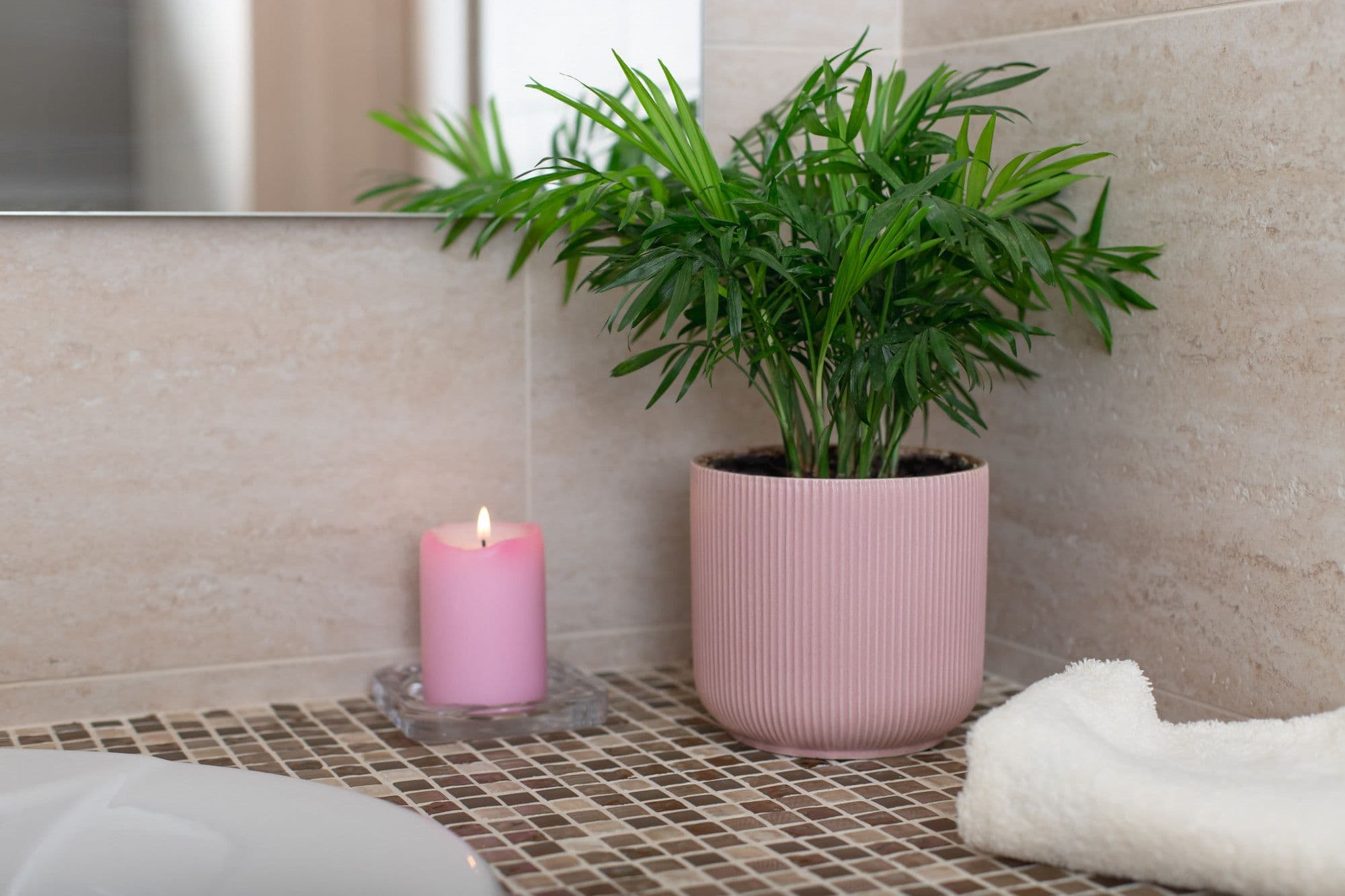
9 min read · 29 Sept 2026
12 Best Plants for Bathroom That Thrive in Humid Conditions
Discover the 12 best plants for bathroom spaces. Each pick comes with its own advantages, plus light, humidity, watering, and placement tips. Take a look and match the plant to your specific bathroom.
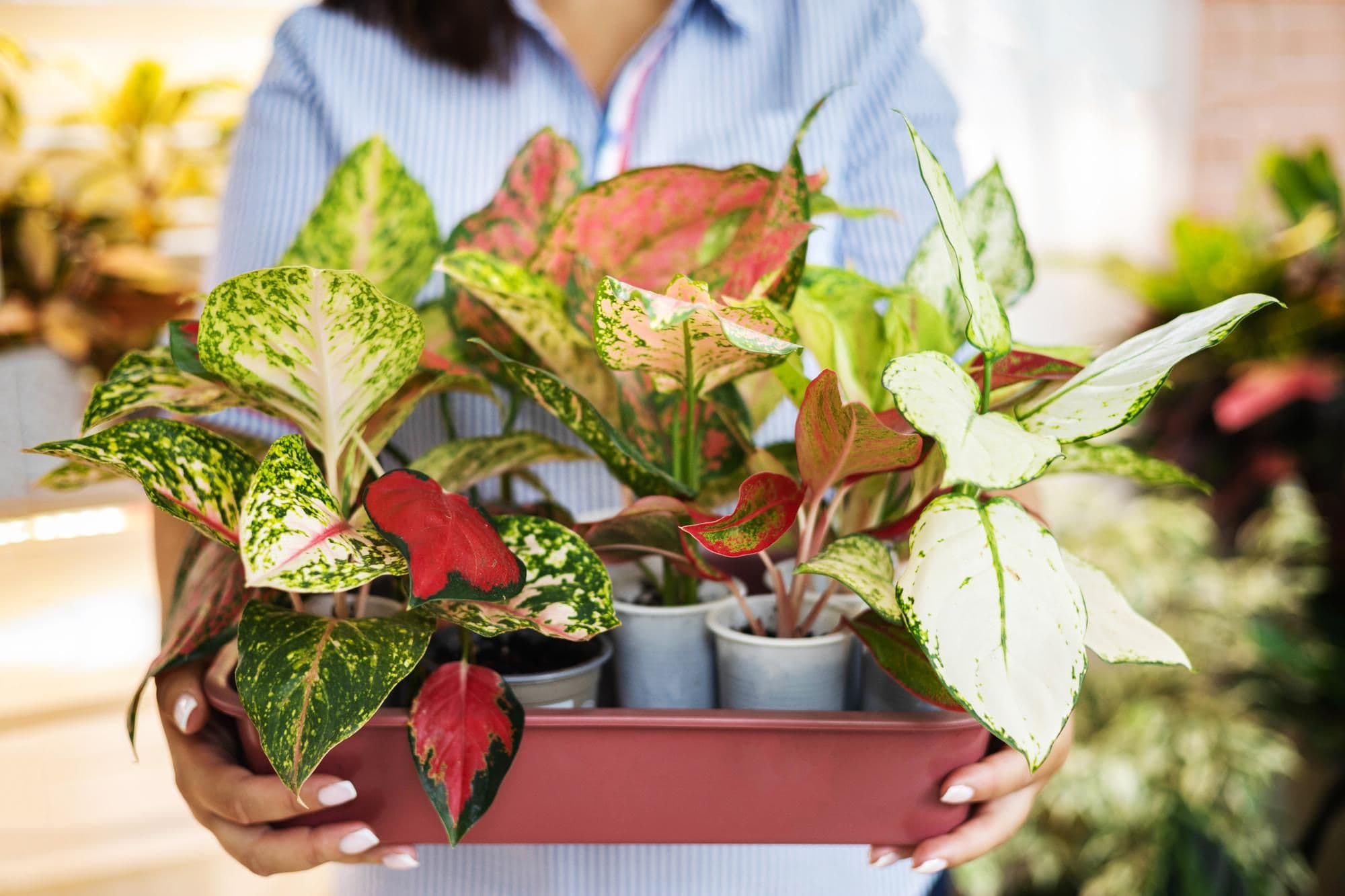
6 min read · 21 Sept 2026
12 Most Wanted Rare Houseplants to Grow at Home
Rare houseplants can turn an ordinary corner in your apartment into a living botanical collection. This guide covers 12 most admired picks, what makes them special, and how to grow them successfully at home.
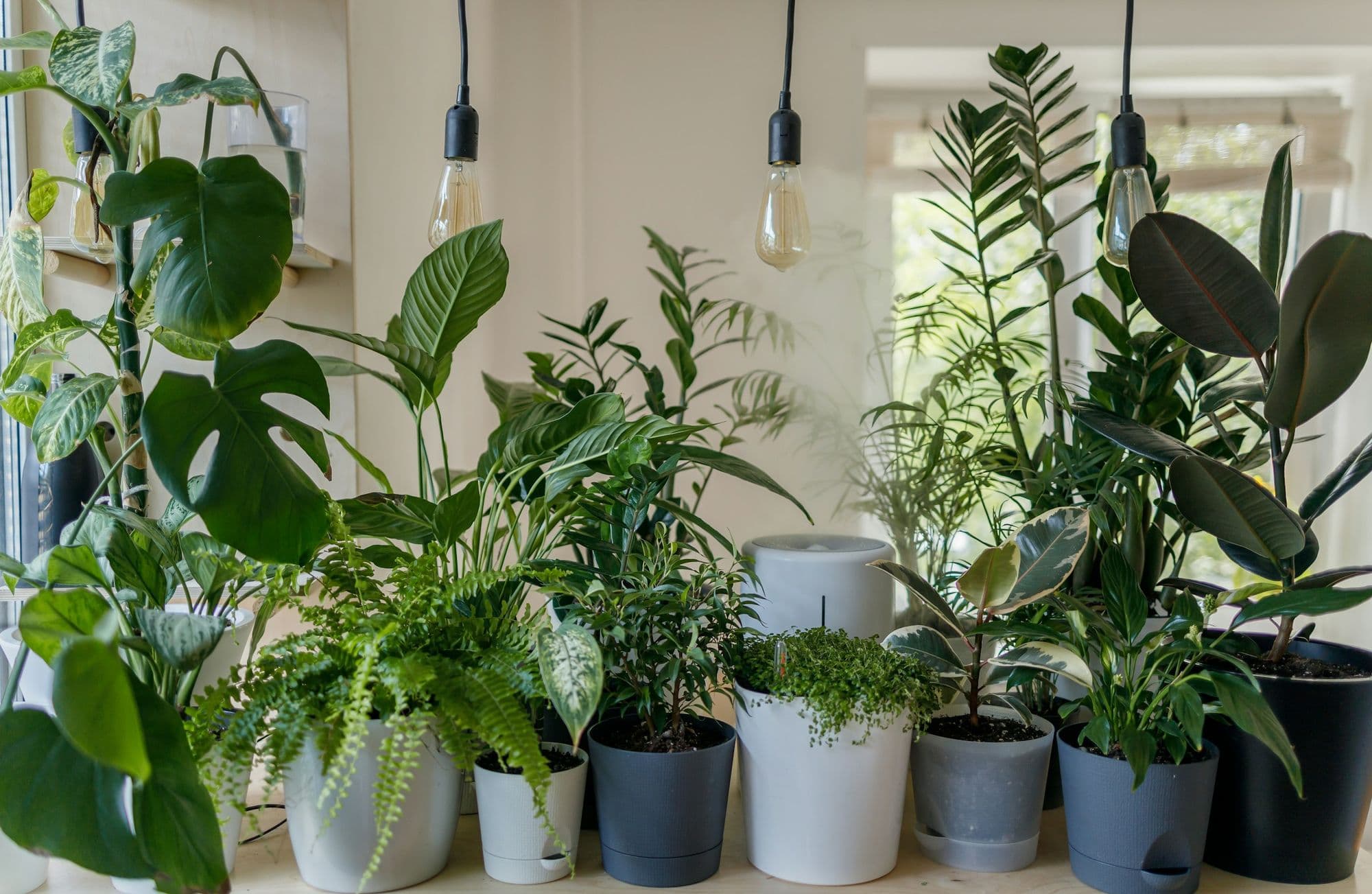
8 min read · 17 Sept 2026
Top 15 Plants That Don’t Need Sunlight
Some plants thrive in dim rooms, shaded corners, and places with indirect light. In this guide, you’ll explore the top 15 species best suited to low-light conditions and how to care for them.
Explore Plants by Care Needs
Identify the plant and problem. Help your plant recover
Identify plant problems early, understand what's wrong, and get clear care guidance. Botan helps you turn guesswork into confident plant care