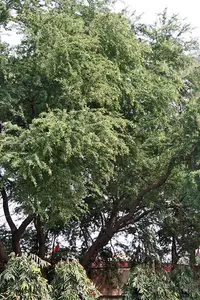
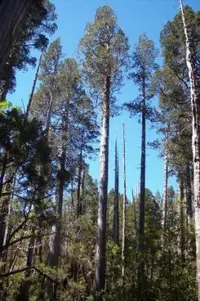
river birch Care (Betula nigra)

Also known as: Black birch, Red birch, Water birch
river birch

About river birch

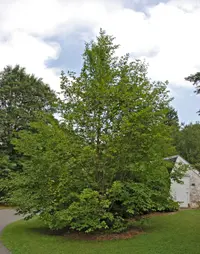
River birch, Betula nigra, is a fast-growing deciduous tree valued for its peeling bark and graceful, multi-trunk form. It is commonly used in landscapes as a shade or specimen tree.

This species is native to stream banks and floodplains in the eastern and central United States, so it naturally tolerates moist and periodically wet soils. Its bark color ranges from salmon to reddish brown, adding winter interest.

River birch adapts to a range of soils, though it prefers consistently moist, slightly acidic ground and full sun to light shade. Understanding how to care for river birch starts with providing enough water and avoiding extremely dry or compacted sites.

Main Plant Requirements

Care Difficulty

Moderate Care

Light Preference

Full Sun

Water Requirements

Keep Soil Moist

Temperature Preference

Cold Hardy

Hardiness Zone

4–9

Soil Texture

Sandy, Loamy, Clay

Soil pH

Acidic (5.5–6.5), Slightly acidic (6.5–7.0)

Soil Drainage

Waterlogged tolerant

Fertilization

Minimal (feed rarely)

Get Personalized Care Plan

Scan your plant to receive care tips personalized for your specific plant

Available on iOS and Android

How to Care for the river birch

This species grows best in open sites with consistent sun exposure.

  • Provide 6–8 hours of direct sun daily; morning sun with light afternoon shade reduces leaf scorch in hotter regions.
  • River birch tolerates light to moderate partial shade, but dense shade leads to sparse branching, slower growth, and thinner crowns.
  • In hot summers, protect young trees from intense 1–4 p.m. sun and avoid reflective heat from pavement to limit leaf stress and premature yellowing.

This species prefers consistently moist but not stagnant soil.

  • In the first 1–2 years after planting, keep soil evenly moist, allowing only the top 2–3 cm to dry slightly between deep soakings.
  • Mature trees handle brief drying but grow best near consistent moisture; Betula nigra is suitable for sites with periodic wetness or near water features.
  • Watch for underwatering signs such as drooping, crisp leaf edges, and early leaf drop; overwatering shows as yellowing leaves and foul-smelling, soggy soil.

This hardy tree tolerates a wide temperature range once established.

  • Optimal growth occurs around 60–80°F (16–27°C), especially in spring and early summer when soil moisture is adequate.
  • Betula nigra withstands winter lows near -20°F (-29°C) in many regions, going fully dormant and shedding leaves to protect buds and wood.
  • Heat tolerance is moderate; sustained highs above 95°F (35°C) increase stress, so provide ample soil moisture and a mulch layer to moderate root temperatures.

This species prefers moderately moist air but generally adapts well to outdoor humidity ranges.

  • Target ambient humidity around 40–70% in outdoor settings, avoiding prolonged exposure to very dry, hot wind.
  • Relatively tolerant of short dry-air periods, but extended low humidity with heat can increase leaf edge browning and premature drop.
  • If caring for river birch in exposed, dry sites, use windbreaks, mulching, and consistent soil moisture to buffer humidity stress.

Betula nigra grows best in consistently moist, structured soil that balances water retention with aeration.

  • Aim for a deep, loamy soil rich in organic matter; incorporate compost into native soil to improve structure and moisture holding.
  • Ensure drainage is steady but not rapid; avoid spots where water stands for days or, at the opposite extreme, very drought-prone sand.
  • A slightly acidic to neutral pH of about 5.0–7.0 supports nutrient availability and reduces risk of nutrient deficiency symptoms.
  • In heavy clay, blend in coarse sand and fine bark to increase pore spaces, while in very light soils add compost to reduce rapid drying.

This species can be grown in containers only for the short to medium term and requires careful attention to root space and stability.

  • Choose a very large, heavy container to accommodate the vigorous root system and prevent tipping in strong winds.
  • Use a deep potting setup that combines composted bark and loam-based mix to keep moisture even without waterlogging the roots.
  • Position the container where it cannot heat excessively on all sides, such as against a shaded wall, to limit root stress from temperature swings.

Nutrient needs for river birch are modest, especially in reasonably fertile garden soil.

  • Use a balanced slow-release fertilizer (around 10-10-10) or well-rotted compost for established trees in poor or sandy soil.
  • Feed once in early spring; a second light application in midsummer is enough for most sites.
  • Apply at half the label rate for ornamental trees to avoid excessive, weak growth.
  • Do not fertilize during fall or winter, as the tree is entering or in dormancy.

Pruning Betula nigra focuses on safety, structure, and clearance rather than heavy shaping.

  • Time main pruning for late winter while the tree is dormant to reduce sap bleed and stress.
  • Remove dead, diseased, crossing, or storm-damaged branches using clean, sharp bypass pruners or a pruning saw.
  • Thin crowded interior branches lightly to improve airflow and maintain a strong, open crown.
  • Avoid topping; maintain natural form by shortening or removing entire branches back to a lateral or the trunk.

Container culture of Betula nigra is temporary; most plants are moved to the ground when still young.

  • Transplant in late fall or early spring while the tree is dormant to reduce shock and improve establishment.
  • Look for circling roots, tight containers, or slowed growth as signs a young tree needs a larger pot or planting out.
  • Dig a wide planting hole, loosen outer roots gently, and set the root flare level with the surrounding soil.
  • Water deeply after planting, then keep soil evenly moist and mulch 5–8 cm deep, keeping mulch off the trunk.

Propagation of Betula nigra for home gardeners is possible but slower than many shrubs or perennials.

  • Sow fresh seeds in late fall or very early spring outdoors, allowing natural cold stratification to break dormancy.
  • Use a free-draining, sandy seed mix and keep it evenly moist but not waterlogged for steady germination.
  • Take softwood cuttings in early summer, use rooting hormone, and place under high humidity with bright, indirect light.
  • Label young plants clearly and grow them on in nursery beds or pots for 1–2 years before permanent planting.

Betula nigra is cold hardy in much of the US and usually needs minimal winter care in the ground.

  • Mature trees tolerate typical winter lows across USDA zones 4–9 without additional trunk wrapping.
  • Apply 5–8 cm of mulch over the root zone in late fall to moderate soil temperature and moisture swings.
  • For container-grown trees, move pots into a sheltered, unheated space or heel them into soil to prevent root freeze-damage.

Care Tips

Manage Root Competition

Plant at least 4–6 ft away from heavy root competitors like large maples or spruce, and maintain a mulched root zone free of turfgrass to reduce stress and improve access to water and nutrients.

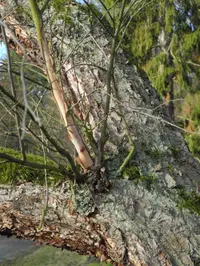
Use Sacrificial Trunks

When planting a multi-stem clump, allow 1–2 extra stems to grow for the first 5–7 years, then remove weaker or poorly placed trunks to improve form and reduce future breakage risk.

Monitor for Borers

Inspect trunks 2–3 times per year for small exit holes, sawdust-like frass, or loose bark, and if found, prune out affected branches promptly and improve tree vigor to help limit borer damage.

Optimize Flood Tolerance

In sites that flood seasonally, position the tree in the highest micro-spot available and form a slight raised mound (15–20 cm) so roots sit just above the wettest soil while still accessing moisture.

Winter Structure Check

Inspect and lightly thin crossing or rubbing branches in late winter, focusing on removing narrow crotch angles to create a more stable framework before rapid spring growth when growing river birch in windy sites.

Common Pests and Diseases

Bronze birch borer

This pest is a wood-boring beetle whose larvae tunnel under the bark, causing branch dieback, sparse foliage, and eventual decline if unmanaged.

Solution

Reduce stress by providing regular deep watering during drought, mulching the root zone, and avoiding trunk injury; prune and destroy infested branches showing D-shaped exit holes and thinning crowns, and in high-risk areas consider timing a systemic insecticide treatment with a certified arborist as part of broader Betula nigra care instructions.

Aphids

These insects cluster on young shoots and leaf undersides, sucking sap and causing leaf curling, distortion, and sticky honeydew that can lead to sooty mold.

Solution

Spray foliage with a strong stream of water to dislodge colonies, encourage natural predators like lady beetles, and, if needed, apply insecticidal soap or a light horticultural oil to thoroughly coat affected new growth.

Birch leafminer

This pest is the larval stage of a small sawfly that feeds between leaf surfaces, creating pale, blotchy mines and giving foliage a scorched appearance.

Solution

Rake and remove fallen leaves to reduce overwintering populations, prune out and destroy heavily mined twigs where practical, and consider targeted systemic or contact treatments in early spring just as new leaves expand if damage has been severe in previous years.

Leaf spot

This disease often appears as small brown or black spots that may merge and cause early leaf drop, especially in warm, wet weather.

Solution

Improve air circulation by thinning nearby vegetation, avoid overhead watering, promptly rake and discard fallen leaves, and use a labeled fungicide only if defoliation is heavy in repeated seasons.

Canker

This disease causes sunken or discolored dead areas on branches and stems, which can girdle twigs and lead to dieback above the infection site.

Solution

Prune out affected branches several inches below visible cankers during dry weather, disinfect pruning tools between cuts, reduce plant stress with proper watering and mulch, and avoid wounding the trunk or major limbs to limit new infection sites.

Interesting Facts

Distinctive peeling bark

The river birch develops multi-colored, peeling bark that can show pinkish, salmon, cinnamon, and gray-brown tones on the same trunk, with thin papery layers curling away as the tree matures.

Adapted to wet soils

This species is naturally found along rivers, floodplains, and swamp margins in eastern North America, showing a high tolerance to periodic flooding and poorly drained, acidic soils compared to many other birches.

Heat- and pest-tolerant birch

Unlike several northern birch species, the river birch tolerates warm, humid climates and shows relatively good resistance to bronze birch borer, which is a serious pest of other ornamental birches.

Botan icon

Did you know?

River birch is one of the few native North American birches whose seeds mature and disperse in late spring to early summer instead of autumn, allowing rapid colonization of freshly disturbed or newly deposited river sediments.

FAQs about river birch

This species is generally fast-growing, often adding 30–60 cm of height per year in suitable conditions. Growth slows with age, poor drainage, or drought. Proper watering, mulching, and avoiding soil compaction support strong early growth.

Grow Healthy Plants with Botan Care

Keep your plants happy and healthy with plant identification, disease detection, and easy care guidance.

Botan plant care app — identify plants on mobile

Explore More Plants