Root flare protection
Keep the root flare at the base of the trunk visible and free of mulch or soil buildup to reduce risk of rot and borers over the long life of the tree.

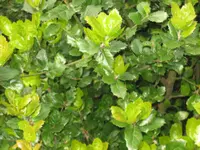
Coast live oak, Quercus agrifolia, is a long-lived evergreen tree native to the coastal regions of California and northern Baja California. It is a key species in coastal woodlands and chaparral.
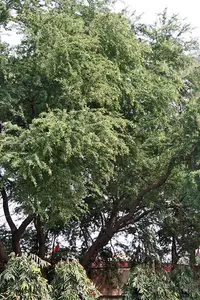
The tree develops a broad, rounded crown with dense, dark green, spiny-margined leaves and a thick, furrowed trunk. Mature specimens can dominate a landscape and provide deep shade.
This oak is adapted to dry summers and mild, wet winters, showing strong drought tolerance once established. It prefers full sun, well-drained soils, and minimal summer irrigation.
Those who want to learn how to care for coast live oak should focus on giving it space, avoiding overwatering, and protecting its root zone from disturbance.

Care Difficulty
Moderate Care

Light Preference
Full Sun

Water Requirements
Low Water

Temperature Preference
Warm Climate

Hardiness Zone
8–10

Soil Texture
Sandy, Loamy, Clay

Soil pH
Slightly acidic (6.5–7.0), Neutral (7.0)

Soil Drainage
Well-drained

Fertilization
Minimal (feed rarely)
Scan your plant to receive care tips personalized for your specific plant
Available on iOS and Android
This evergreen oak thrives in full sun but accepts some light shade once established.
This drought-adapted oak prefers deep, infrequent watering once established.
This species is adapted to mild, Mediterranean-type climates with warm, dry summers and cool, wet winters.
This oak tolerates a wide humidity range and rarely needs special humidity management outdoors.
This species prefers well-drained, moderately dry soil that does not stay wet after rain or watering.
This tree is only suitable for short-term container growing, mainly when young.
This native oak usually needs little feeding in-ground but benefits from light nutrition during establishment or container growth.
Pruning Quercus agrifolia focuses on safety, structure, and long-term tree health rather than frequent shaping.
This oak is rarely kept long-term in containers; the main focus is careful transplanting of young trees to permanent sites.
New plants are produced mainly from acorns, since vegetative propagation of this oak is technically challenging and slow.
Mature trees are generally cold hardy in suitable climates and need minimal winter care once established.

Plant Health Check
Not sure what's wrong with your plant? Check your plant's health inside the app.
This species is one of the few North American oaks that remain fully evergreen, keeping a dense canopy of tough, spiny-margined leaves adapted to dry, salty coastal air.
Its acorns are a primary food source and storage choice for the acorn woodpecker, which often selects this oak for building large communal granary trees that can persist for many generations.
Native stands along the California coast use deep roots and thick, sclerophyll (leathery) leaves to withstand summer drought while also benefiting from moisture in coastal fog.

This oak commonly forms hybrid swarms with several other California oaks, which makes field identification difficult and has been important evidence for studying ongoing oak evolution and gene flow in natural forests.
Growth is moderate rather than fast. Young trees typically add about 20–30 cm per year, sometimes up to 45 cm in favorable conditions. Once established, vertical growth slows while the canopy broadens and trunk diameter increases steadily.
Keep your plants happy and healthy with plant identification, disease detection, and easy care guidance.