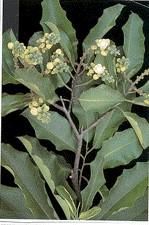
henequen Care (Agave fourcroydes)

henequen

About henequen

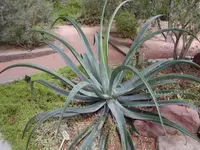
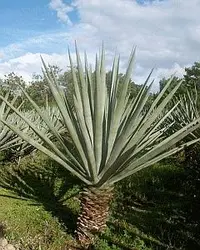
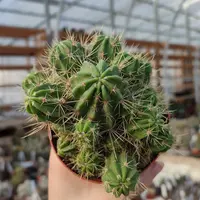
Henequen, Agave fourcroydes, is a large, slow-growing succulent traditionally cultivated for its strong leaf fibers. It forms a stiff rosette of long, sword-like leaves with sharp tips and marginal teeth. Mature plants can become quite architectural and are usually grown outdoors in warm, frost-free regions.

This species originates from the Yucatán Peninsula in Mexico, thriving in hot, dry conditions and poor, rocky soils. Its drought tolerance and low nutrient needs make it relatively easy to manage where the climate is suitable.

For those learning how to care for henequen, the key traits are its need for strong light, very well-drained soil, and minimal watering once established.

Main Plant Requirements

Care Difficulty

Easy Care

Light Preference

Full Sun

Water Requirements

Low Water

Temperature Preference

Tropical / Frost Sensitive

Hardiness Zone

10–12

Soil Texture

Sandy, Loamy, Rocky

Soil pH

Slightly acidic (6.5–7.0), Slightly alkaline (7.0–7.5)

Soil Drainage

Well-drained

Fertilization

Minimal (feed rarely)

Get Personalized Care Plan

Scan your plant to receive care tips personalized for your specific plant

Available on iOS and Android

How to Care for the henequen

Agave fourcroydes prefers strong, direct sun typical of arid and semi-arid regions.

  • Provide 6–10 hours of full sun daily; in very hot climates, give light afternoon shade to reduce leaf scorch.
  • Young or recently transplanted henequen benefits from filtered light or morning sun plus light midday shade for the first growing season.
  • If rosettes stretch, lean, or lose strong leaf color, light is too low; if leaves bleach or show brown, crispy patches, sun intensity is excessive.

Agave fourcroydes is highly drought-tolerant and prefers infrequent, deep watering.

  • Water only when soil is dry at least 5–8 cm deep; in hot, dry weather this may mean every 2–4 weeks in the ground, less often in cooler seasons.
  • Use very fast-draining, gritty soil and sloped or raised sites to prevent water pooling around the crown and roots.
  • Soft, yellowing, or collapsing leaves indicate overwatering or poor drainage, while shriveling, folding leaves signal prolonged drought stress.

This species is adapted to warm, semi-arid climates with mild winters and hot summers.

  • Aim for 70–90°F (21–32°C) during active growth for best vigor and fiber production.
  • Mature plants tolerate brief drops to about 28–30°F (-2 to -1°C), but tissue damage is likely; prolonged exposure below 32°F (0°C) can be fatal.
  • In strong heat above 100°F (38°C), plants usually cope well if soil drains very quickly and there is some airflow to limit leaf scorching.

Humidity is not a critical factor for Agave fourcroydes, which is adapted to dry air.

Agave fourcroydes needs very sharply drained, mineral-based soil to prevent root and crown rot.

  • Use a gritty, sandy mix such as 50% cactus mix with 50% mineral material like coarse sand, pumice, or small gravel.
  • Ensure the soil feels loose and airy; avoid dense, peat-heavy substrates that stay wet longer than 1–2 days after watering.
  • Aim for slightly acidic to slightly alkaline conditions, around pH 6.5–7.5, which this species tolerates well.
  • In heavy native ground, plant on a raised mound or berm of the same gritty mix to improve drainage and root aeration.

This species can be grown in large containers if its size and weight are planned for from the start.

  • Choose a wide, heavy pot (clay or concrete) to counterbalance the top-heavy rosette and prevent tipping in wind.
  • Select a container deep enough to accommodate a strong, downward-growing root system without circling or compressing roots.
  • Fill the pot with a very fast-draining, mineral-rich mix and keep the top 2–3 cm free of organic mulch to reduce crown moisture.

Agave fourcroydes grows well with minimal feeding but responds to light, controlled fertilization in active growth.

  • Use a balanced, low-nitrogen slow-release fertilizer or very dilute liquid feed formulated for cacti and succulents.
  • Apply once in late spring and once in mid-summer during the main growing season; skip feeding in late fall and winter.
  • Dilute liquid products to 25–50% of the label rate to avoid soft, weak growth and root burn.
  • On poor, sandy sites, a thin layer of well-aged compost around the root zone once a year supports growing henequen without overfeeding.

Agave fourcroydes needs minimal pruning, focused on hygiene and safety rather than shaping.

  • Carry out pruning in late spring or summer during dry weather to reduce disease risk.
  • Remove dead, damaged, or pest-infested leaves at the base using clean, sharp pruning saws or heavy-duty shears.
  • Cut away leaves that obstruct access paths or crowd the rosette while keeping the natural symmetrical form.
  • Wear thick gloves, long sleeves, and eye protection; dispose of spiny leaves carefully to prevent injury.

Large Agave fourcroydes plants are usually grown in the ground, with transplanting done infrequently and only when necessary.

  • Transplant when growth slows, the plant is clearly outgrowing its space, or roots circle densely in a container.
  • Choose late spring or early summer, allowing warm temperatures and active root growth to help recovery.
  • Plan on moving established plants only every several years, as they dislike frequent disturbance.
  • Water thoroughly 1–2 days before moving, keep roots shaded and moist during work, then replant at the same depth in very well-drained soil.

New Agave fourcroydes plants are most commonly produced from offsets rather than seeds in home and landscape settings.

  • Separate basal offsets in late spring or early summer when they reach at least 10–15 cm across.
  • Use a clean, sharp knife to cut pups away, keeping some roots attached if possible.
  • Allow cut surfaces to dry and callus for 3–7 days in a shaded, airy place before planting.
  • Set offsets in a gritty, fast-draining mix, keep slightly moist but never wet, and provide bright, indirect light until established.

This species is frost-sensitive and needs thoughtful winter management in regions with cold winters.

  • Avoid exposure below about 28–30°F; freezing can scar or kill leaf tissue.
  • In marginal climates, apply a dry, coarse mulch around but not against the crown to insulate roots.
  • For container plants, move pots indoors or into a bright, cool, frost-free greenhouse before the first hard frost.
  • Keep soil nearly dry in winter, since cold, wet conditions greatly increase the risk of root rot.

Care Tips

Blade safety spacing

Maintain at least 60–90 cm of clear space around the rosette so the stiff, spine-tipped leaves do not rub on walls, walkways, or other plants, which reduces mechanical damage and infection entry points.

Support heavy offsets

When large pups lean away from the mother plant, mound coarse gravel or use a short rock or brick as a brace to keep their base stable until roots anchor firmly.

Controlled pup removal

Detach offsets only when they have several visible roots and a rosette at least 10–15 cm wide, then air-dry the cut base for 3–7 days before potting to minimize rot.

Winter moisture shield

In rainy cool seasons, place a simple clear cover or temporary plastic rain shield over the crown while keeping sides open for airflow, which helps prevent cold, wet rot without trapping humidity.

Handling and grooming gear

Use thick leather gloves, long sleeves, and long-handled pruners for any grooming, and keep a rake or grabber tool dedicated for lifting fallen leaves or debris from the rosette to make caring for henequen safer and more precise.

Common Pests and Diseases

Agave snout weevil

This pest bores into the base of the plant, where larvae tunnel through tissues, leading to wilting, leaf collapse, and eventual plant death. Symptoms include yellowing, a loose or wobbly crown, and a foul smell from rotting internal tissue.

Solution

Remove and destroy heavily infested plants, including roots, to prevent spread, and dispose of them away from other agaves. For remaining plants, use a systemic insecticide labeled for weevils at the soil line during active seasons, and keep the area clean of plant debris to reduce hiding places.

Agave scale

These insects attach to leaves and leaf bases, sucking sap and causing yellow spots, dull color, and reduced vigor. Symptoms include hard, shell-like bumps and sticky honeydew that can encourage sooty mold.

Solution

Physically remove scales by gently scrubbing leaves with a soft brush and soapy water, then rinse thoroughly. For persistent infestations, apply a horticultural oil or systemic insecticide labeled for scale, and repeat treatments according to label directions while monitoring new growth closely.

Leaf spot

This disease produces dark, water-soaked or tan spots on leaves that may enlarge and merge, making the foliage look stained or scorched. Symptoms include lesions often with darker margins and, in humid conditions, sporulation on the leaf surface.

Solution

Prune and discard affected leaves to reduce inoculum, cutting well into healthy tissue and cleaning tools afterward. Improve air circulation, avoid wetting the rosette when watering, and if conditions stay humid or wet, apply a copper-based or other labeled fungicide according to directions.

Anthracnose

This disease causes sunken, dark brown to black lesions on leaves, sometimes with concentric rings and a dry, papery center. Symptoms include blighted leaf tips and patches that can coalesce, especially under warm, humid conditions or overcrowded plantings.

Solution

Remove and destroy infected leaf sections promptly, and avoid overhead watering that keeps foliage wet for long periods. Space plants to improve airflow and, if the disease is recurring, apply a fungicide labeled for anthracnose on succulents or ornamentals as a preventative during wet seasons.

Mealybugs

These insects cluster in leaf axils and at the base of leaves, producing white, cottony masses and feeding on sap, which weakens the plant. Symptoms include sticky honeydew, distorted new growth, and in severe cases, sooty mold developing on affected surfaces.

Solution

Treat localized infestations by dabbing insects with cotton swabs dipped in isopropyl alcohol and rinsing the plant after treatment. For larger populations, use repeated applications of insecticidal soap or horticultural oil, ensuring good coverage in tight leaf axils, and isolate affected plants until the population is controlled.

Interesting Facts

Primary henequen source

This species is the main traditional source of henequen fiber in Yucatán, historically forming the backbone of the region’s rope and twine industry before synthetic fibers became common.

Leaves built for fiber

Its long, rigid leaves contain especially strong vascular bundles that yield coarse, durable fibers well suited to cordage, sacks, and agricultural twine.

Clonal field plantations

Commercial plantations in Yucatán are usually established from suckers or offsets rather than seed, so entire fields often consist of near-identical clones selected for fiber yield and leaf structure.

Botan icon

Did you know?

The large-scale cultivation and export of henequen fiber from this species was so economically important in the late 19th and early 20th centuries that it was sometimes called “green gold” in Yucatán, shaping regional infrastructure, trade routes, and social structure.

FAQs about henequen

Brown leaf tips or margins usually result from mechanical damage, very low humidity, fertilizer salt buildup, or old age of outer leaves. Check for root rot, adjust watering, and remove only fully dead leaves with clean tools.

Grow Healthy Plants with Botan Care

Keep your plants happy and healthy with plant identification, disease detection, and easy care guidance.

Botan plant care app — identify plants on mobile

Explore More Plants