Cactus Care (Echinocereus maritimus)

About Cactus

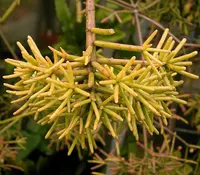
Cactus (Echinocereus maritimus) is a small clumping cactus species that forms low mounds of cylindrical stems covered in dense spines. It typically grows close to the ground, creating tidy clusters rather than tall columns.

This species is native to coastal and desert regions of Baja California, where it experiences strong sun, sandy soils, and low rainfall. Its slow growth, drought tolerance, and compact size make it relatively straightforward to care for Cactus in dry, bright indoor or outdoor conditions.

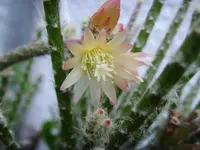
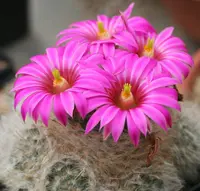
Echinocereus maritimus usually produces showy flowers near the stem tips, adding seasonal interest. It generally prefers strong light, minimal watering, and very well-drained, gritty soil to avoid root rot and maintain long-term health.

Main Plant Requirements

Care Difficulty

Easy Care

Light Preference

Full Sun

Water Requirements

Low Water

Temperature Preference

Warm Climate

Hardiness Zone

9–11

Soil Texture

Sandy, Rocky, Loamy

Soil pH

Slightly acidic (6.5–7.0), Neutral (7.0)

Soil Drainage

Well-drained

Fertilization

Minimal (feed rarely)

Get Personalized Care Plan

Scan your plant to receive care tips personalized for your specific plant

Available on iOS and Android

How to Care for the Cactus

This desert species thrives in strong light but still benefits from some protection during the hottest hours.

  • Provide 6–8 hours of direct sun daily, ideally with morning sun and light afternoon shade in very hot climates.
  • Tolerates bright, open exposure but prolonged intense midday summer sun can scorch stems, especially in shallow or rocky sites.
  • In regions with dull winters, choose the sunniest spot available; leggy, pale growth indicates insufficient light for healthy Cactus indoor care.

Watering should mimic brief desert rains followed by dry periods in sharply draining soil.

  • Allow soil to dry completely, at least the top 5–8 cm, before watering; use fast-draining, gritty soil that does not hold water around the roots.
  • In active growth (spring–early summer), water thoroughly, then let excess drain away and do not water again until the soil is dry.
  • Reduce watering drastically in late fall and winter; soft, yellowing, or splitting stems suggest overwatering, while severe wrinkling signals underwatering in Echinocereus maritimus.

This species prefers warm, dry conditions and tolerates notable heat when roots stay well drained.

  • Aim for 70–90°F (21–32°C) during active growth, with cooler nights improving resilience and flowering potential.
  • Mature plants can briefly tolerate down to about 20–25°F (-6 to -4°C) if soil is completely dry, but frost and wet combined greatly increase rot risk.
  • In intense heat above 100°F (38°C), provide some afternoon shade and ensure excellent air movement to prevent heat stress and sunburn on exposed stems.

This species prefers dry air and does not have special humidity requirements in most homes.

This cactus needs a very fast-draining, mineral-based substrate that mimics rocky desert ground.

  • Use a gritty mix such as 50% cactus mix with 50% coarse materials like pumice, perlite, and coarse sand.
  • Ensure water runs through and out within seconds; the soil should dry completely between waterings.
  • Aim for slightly acidic to neutral pH around 6.0–7.0, avoiding heavy, peat-dominant mixes that stay wet.
  • For Echinocereus maritimus, avoid fine, compacted particles that reduce air spaces around the roots.

This species grows well in containers when provided with sharp drainage and a stable pot.

  • Choose a shallow, wide container that matches its clumping habit and keeps roots from sitting in deep, wet zones.
  • Use terracotta or unglazed clay pots to allow faster evaporation and reduce the risk of root rot.
  • Place the container where it cannot tip, since the low, spreading clumps can become heavy on one side over time.

Echinocereus maritimus needs only light feeding to support healthy growth in the active season.

  • Use a low-strength balanced NPK liquid fertilizer at 1/4–1/2 label rate during spring–summer growth.
  • Apply every 4–6 weeks in well-watered soil; never feed a dry root zone to avoid burn.
  • Skip high-organic compost and use a gritty mineral mix to match natural Cactus indoor care conditions.
  • Stop feeding in late fall–winter when growth slows, as the plant rests and uses stored nutrients.

Echinocereus maritimus needs minimal pruning, focused on health and safety rather than shaping.

  • Best time is late spring after active growth starts, avoiding heavy cuts in winter dormancy.
  • Remove dead, shriveled, or rotting stems at the base with clean, sharp pruning shears.
  • Cut away damaged or diseased sections slightly into healthy tissue to limit spread of rot.
  • Light thinning of crowded offsets improves airflow and access, but heavy shaping is unnecessary.

This cactus prefers infrequent disturbance, so repot or transplant Echinocereus maritimus only when clearly root-bound.

  • Check every 3–4 years; repot when roots circle the pot, emerge from drainage holes, or growth slows.
  • Aim for early spring, just before new growth, to give time for recovery and new rooting.
  • Choose a pot only 2–3 cm wider, using a fast-draining cactus mix to limit excess moisture.
  • Gently loosen the root ball, remove rotten roots, allow cuts to dry briefly, then water lightly after 3–5 days.

Echinocereus maritimus is commonly propagated from offsets and sometimes from seed under warm, bright conditions.

  • Detach offsets in late spring–summer, using a sterile knife to separate cleanly at the base.
  • Let cut surfaces dry and callus for 5–10 days in shade to reduce risk of rot.
  • Plant offsets in barely moist, gritty cactus mix and keep at 70–80°F with bright, indirect light.
  • Sow seeds on the surface of a sterile mix, keep slightly moist, and provide steady warmth for slow germination.

This species is relatively cold tolerant but benefits from dry, sheltered conditions in winter.

  • In-ground plants handle light frosts if soil drains very well and stays mostly dry.
  • Mulch around but not against the stems with gravel or coarse sand to insulate roots.
  • Move containers under cover or indoors before prolonged drops below 25°F, providing bright light.
  • Keep soil almost completely dry in winter to prevent rot in cool conditions.

Care Tips

Rock-mulch collar

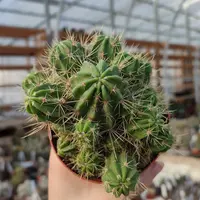
Place a tight ring of coarse gravel or small rocks around the base to keep the neck dry, stabilize shallow roots, and mimic the natural rocky habitat that reduces rot risk.

Gradual sun hardening

When moving plants from indoors or shade to full sun, increase direct light by 30–60 minutes every few days to prevent epidermal scorch on the stems.

Winter dryness control

From late fall to early spring, keep the potting mix completely dry and move the plant under a bright, unheated shelter to promote compact growth and reliable flowering.

Low-oxygen root check

If growth stalls while the plant still receives strong light, unpot gently once a year to check for brown, mushy roots and repot into fresher, more open substrate if compaction is evident.

Pest-screened ventilation

For outdoor pots, use fine insect mesh over open windows or greenhouse vents so the plant gets strong air movement while reducing access for mealybugs and other common cactus pests, which is especially useful when caring for Cactus in collections.

Everything About Cactus

Common Pests and Diseases

Mealybugs

This pest feeds on cactus stems and in areoles, sucking sap and leaving cottony white clusters, often in crevices between ribs or at the base of spines. Symptoms include slow growth, yellowing tissue, and sticky honeydew that can encourage sooty mold.

Solution

Isolate the plant, then dab visible mealybugs with cotton swabs dipped in 70% isopropyl alcohol and repeat weekly until no new insects appear. For heavier infestations, rinse the plant thoroughly with a strong but controlled stream of water, then use a labeled systemic insecticide for succulents and maintain drier, well‑ventilated conditions to discourage reinfestation.

Red spider mites

These insects are tiny sap‑feeding mites that thrive in hot, very dry conditions and often go unnoticed until fine webbing and a dull, dusty look appear on stems. Symptoms include speckling, loss of natural stem sheen, and gradual weakening of the plant.

Solution

Increase local humidity around but not directly on the plant with a nearby tray of water and improve air movement, as mites dislike cooler, slightly more humid, moving air. Gently spray the cactus with a fine jet of water to dislodge mites, then apply insecticidal soap or a horticultural oil labeled for cacti, taking care to treat all sides of the stems and avoiding application in strong sun.

Scale insects

This pest appears as small, hard, brown or grayish bumps on stems, often aligned along ribs or around areoles, and remains fixed in place while feeding. Symptoms include localized yellow or pale patches, weak growth, and sometimes sticky honeydew on the plant or pot surface.

Solution

Manually remove scale with a soft brush or cotton swab dipped in 70% isopropyl alcohol, working carefully between spines to avoid damaging the epidermis. After mechanical removal, monitor closely and use a systemic insecticide approved for cacti if new scale appears, while keeping the plant in bright light and avoiding excess nitrogen fertilization that can encourage soft, vulnerable growth.

Fusarium stem rot

This disease is a fungal infection that can enter through wounds or old flower scars, causing sunken, discolored areas that may turn brown to black and eventually soften. Symptoms include localized collapse of tissues, sometimes with pinkish or whitish fungal growth in advanced stages.

Solution

At the first signs, cut away all affected tissue with a sterile, sharp knife back to firm, healthy, green tissue, then allow the cut surface to dry and callus in bright, dry conditions for several days. Discard severely affected plants, use only sterile potting media and tools, avoid overhead watering and injury to stems, and ensure the plant is grown in a very free‑draining mineral mix to support long‑term Echinocereus maritimus plant care.

Interesting Facts

Baja coastal specialist

This cactus is native to a narrow coastal zone of the Baja California Peninsula, where it grows on rocky maritime bluffs and slopes exposed to salty winds and intense sun.

Prostrate clumping habit

Unlike many columnar desert cacti, it forms low, sprawling clusters of short stems that hug the ground, a growth form that helps it resist strong coastal winds and reduce water loss.

Spines as sunshades

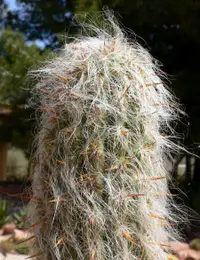
Its dense, often yellowish spines create a protective mesh over the stem surface, shading the tissues from high coastal radiation and moderating temperature at the stem surface.

Botan icon

Did you know?

This species is considered a regional endemic of Baja California, meaning it occurs naturally only in this limited geographic area and contributes to the distinctive flora of the peninsula’s coastal desert habitats.

FAQs about Cactus

This species usually needs to reach several years of age and form tight clumps before flowering. Inadequate winter cool-down, insufficient day–night temperature contrast, or lack of rest after summer growth commonly delay buds, even when general care seems correct.

Grow Healthy Plants with Botan Care

Keep your plants happy and healthy with plant identification, disease detection, and easy care guidance.

Botan plant care app — identify plants on mobile

Explore More Plants