Echinopsis calochlora Care

Echinopsis calochlora

About Echinopsis calochlora

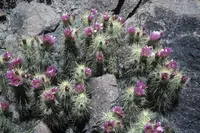
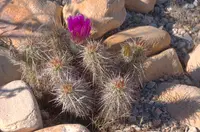
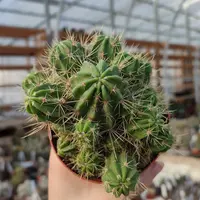
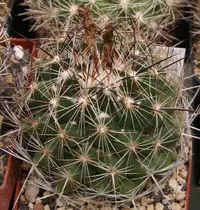
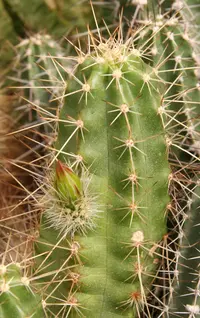
Echinopsis calochlora is a small, globular cactus known for its ribbed green body and striking, funnel-shaped flowers that often open at night. It stays compact, so it suits windowsills, desks, and small indoor collections.

This species comes from dry regions of South America, where it grows in rocky, well-drained soils with strong light and infrequent rainfall. Its drought tolerance and slow growth habit make it relatively straightforward for beginners who want to care for Echinopsis calochlora.

It generally prefers bright light, low to moderate watering, and gritty, fast-draining cactus soil, which helps prevent root problems in typical home conditions.

Main Plant Requirements

Care Difficulty

Easy Care

Light Preference

Full Sun

Water Requirements

Low Water

Temperature Preference

Warm Climate

Hardiness Zone

9–11

Soil Texture

Sandy, Loamy, Rocky

Soil pH

Slightly acidic (6.5–7.0), Neutral (7.0)

Soil Drainage

Well-drained

Fertilization

Minimal (feed rarely)

Get Personalized Care Plan

Scan your plant to receive care tips personalized for your specific plant

Available on iOS and Android

How to Care for the Echinopsis calochlora

This cactus thrives with bright light that mimics strong, open-sky conditions.

  • Provide 6–8 hours of direct sun daily, ideally with morning and late-afternoon sun and only gentle midday exposure in hot summers.
  • It tolerates light partial shade, but growth slows and Echinopsis calochlora may lean or produce fewer flowers if light falls below about 4 hours of direct sun.
  • In very strong summer sun, especially in hot, dry climates, introduce light shade to prevent yellowing or scorched patches on the epidermis.

This species prefers thorough but infrequent watering that allows the soil to dry well between soakings.

  • Water only when the top 3–5 cm of soil are completely dry; in warm growing seasons this may mean every 7–14 days, but always check the soil, not the calendar.
  • Use very free-draining, gritty soil so water runs quickly through; a lingering, soggy root zone is the main cause of rot and sudden collapse in cacti.
  • Reduce watering sharply in cool or winter conditions, giving just enough to prevent shriveling; soft, yellowing, or translucent tissue usually signals overwatering.

Stable warmth with a marked cool, dry rest period supports healthy growth and reliable flowering.

  • Aim for 70–85°F (21–29°C) during active growth, with good air movement to prevent heat buildup around the stem and root zone.
  • The plant tolerates short dips to 40°F (4°C) if kept bone-dry, but avoid frost; sustained exposure below 35°F (2°C) can scar tissue or kill roots.
  • For a strong rest period, keep it around 45–55°F (7–13°C) in winter, dry and bright; protect from extreme heat above 95°F (35°C) by providing light shade.

This species is adapted to dry air and usually does not require special humidity management indoors.

This cactus needs a very fast-draining, mineral-rich soil mix to protect its roots from rot.

  • Use a gritty mix such as 50–60% cactus potting mix blended with coarse sand, pumice, or perlite for structure and drainage.
  • Aim for a slightly acidic to neutral pH around 6.0–7.0, which supports nutrient availability without stressing roots.
  • Increase aeration by including 10–20% inorganic grit (pumice, lava rock, or coarse granite) to keep pores open and oxygen around roots.
  • Avoid dense, peat-heavy, or clay-based soil that stays wet for more than 1–2 days, as this greatly increases the risk of rot in Echinopsis calochlora.

This species is well suited to container growing when the pot is chosen to manage moisture and root space carefully.

  • Choose a pot only slightly wider than the root ball to prevent large volumes of unused, wet mix around the roots.
  • Select a shallow to medium-depth container, as the root system is relatively compact and benefits from fast-drying soil layers.
  • Use unglazed terracotta when possible, since its porous walls allow moisture to evaporate faster and reduce the chance of prolonged saturation.

This compact cactus benefits from modest, targeted feeding during active growth.

  • Use a balanced cactus fertilizer or diluted balanced NPK liquid feed at 1/4–1/2 strength.
  • Apply every 4–6 weeks during spring–summer when Echinopsis calochlora is actively growing.
  • Avoid compost-rich mixes that stay wet; they can cause root rot in this desert species.
  • Stop feeding in fall–winter to allow proper dormancy and support future flowering.

This cactus needs minimal pruning, focused mainly on health and safety.

  • Carry out any pruning in spring–summer when the plant is actively growing.
  • Remove only dead, diseased, or damaged stems using clean, sharp pruning scissors or a knife.
  • Take off congested pups at the base if clumps become crowded, improving airflow and light.
  • Avoid cutting healthy green tissue on Echinopsis calochlora, as this can scar and slow growth.

This species prefers slightly tight pots and infrequent repotting in fast-draining soil.

  • Repot every 3–4 years or when roots circle the pot, growth slows, or soil breaks down.
  • Choose late spring as the best time, when active growth helps recovery from root disturbance.
  • Use a shallow pot with drainage holes and a gritty cactus mix to limit excess moisture.
  • Gently loosen roots, remove old soil, replant at the same depth, then keep slightly dry for 7–10 days to reduce stress.

Propagation is straightforward using offsets, with seeds as a slower alternative.

  • Detach basal offsets in late spring–summer from a mature Echinopsis calochlora.
  • Allow cut surfaces to callus in a dry, bright spot for 3–7 days before planting.
  • Set offsets in barely moist, gritty cactus mix and keep warm with bright indirect light.
  • For seeds, sow on the surface of sterile mix, keep slightly moist, and provide gentle bottom warmth.

This cactus needs a cool, dry rest in winter and is not tolerant of hard freezes.

  • Keep indoor plants around 45–55°F with plenty of light and very low watering.
  • Move containers indoors before temperatures drop near 32°F, using a bright windowsill.
  • Ensure soil dries fully between sparse waterings to prevent root and stem rot.
  • In mild climates, use a cold frame or sheltered porch to give Echinopsis calochlora a cool dormancy.

Care Tips

Encourage radial symmetry

Rotate the pot 90° every 1–2 weeks during the bright season so the stem receives even light from all sides and develops a balanced, symmetrical globe rather than leaning toward one direction.

Stimulate flowering rest

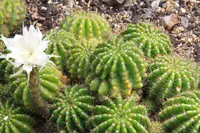
To promote buds, provide a distinct cool, dry rest in late fall and winter by keeping the plant almost dry and at 45–55°F for 6–8 weeks before gradually increasing warmth and water in spring.

Use top-dressing gravel

Apply a 0.5–1 in layer of inert gravel or pumice on the soil surface to keep the crown dry, reduce fungal splash, and stabilize the plant body in the pot.

Plan propagation offsets

When removing pups, use a sterile, sharp knife to cut cleanly at the base, then let the cut surfaces dry and callus for 5–10 days in bright shade before placing in barely moist, gritty mix.

Monitor corking patterns

Check the stem annually for firm, dry, tan corking at the base, which is usually normal aging, but watch for soft, spreading brown areas or black spots, which indicate rot and require immediate drying and possibly cutting back to healthy tissue when caring for Echinopsis calochlora.

Common Pests and Diseases

Spider mites

This pest feeds on cactus epidermis, causing a dusty, bronzed surface and fine webbing between ribs, especially in hot, dry indoor air. Symptoms include slowed growth and small pale scars where tissue was sucked dry.

Solution

Rinse the plant under a gentle but thorough stream of lukewarm water, brushing the ribs lightly with a soft brush, then let it dry in bright, airy conditions. For persistent infestations, apply a labeled insecticidal soap or neem oil to the whole plant surface every 7–10 days for several cycles while increasing humidity slightly and improving air movement to discourage reinfestation.

Mealybugs

These insects hide in areoles and at the base of ribs, appearing as small white cottony clusters and causing yellowing and stunted growth. This pest can also attack roots, leading to poor vigor despite apparently normal watering.

Solution

Dab visible insects with cotton swabs dipped in isopropyl alcohol (70%), then inspect all areoles, offsets, and the soil line carefully. If root mealybugs are suspected, unpot the cactus, wash off soil, trim heavily infested roots, repot into fresh, sterile mix, and follow up with a systemic insecticide labeled for cacti while quarantining the plant away from others.

Scale insects

These insects form small, hard, brown to gray bumps along ribs and around the base, sucking sap and causing yellow patches and weakened growth. This pest often goes unnoticed until the population is dense because the coverings resemble corky spots.

Solution

Gently scrape or flick off individual scales with a soft brush or wooden stick, then wash the plant with a mild insecticidal soap solution and rinse well. Repeat treatments every 10–14 days and isolate the plant, since scale crawlers can spread to nearby cacti, especially under warm indoor conditions common in Echinopsis calochlora indoor care.

Corking from fungal infection

This disease starts as soft, discolored spots at the base or sides of the stem that later turn tan and corky, often following minor mechanical damage or overwatering in cool conditions. Symptoms include sunken lesions that may slowly expand and distort the stem surface.

Solution

Cut out small, early lesions with a sterile knife, removing all soft or discolored tissue and allowing the wound to dry and callus in a dry, bright place out of direct sun. Adjust care by using a faster-draining cactus mix, watering only when the potting medium is fully dry, and providing better airflow; in severe cases, take healthy offsets or top cuttings and re-root them, discarding the infected base.

Botrytis flower blight

This disease affects flower buds and blooms, which turn brown, collapse, and may become covered with gray fuzzy mold during cool, humid weather. Symptoms include aborted buds and short-lived or deformed flowers during the blooming period.

Solution

Remove and discard all affected buds, flowers, and any moldy debris immediately, avoiding contact with healthy tissue. Improve ventilation, avoid overhead watering, keep flowers dry, and if conditions stay humid, apply a sulfur or other labeled fungicide preventively to buds just before expected flowering to protect new blooms.

Interesting Facts

Nocturnal flower opening

The large white flowers open at night and usually start to wilt by the following morning, an adaptation that aligns pollination with nocturnal insects such as moths.

Fragrant, short-lived blooms

Individual blooms are strongly scented but typically last only 1 day, so the plant relies on producing multiple buds over a season rather than long-lasting single flowers.

Distinct rib and spine pattern

The stem forms well-defined vertical ribs with clusters of relatively fine spines rather than heavy, rigid ones, giving it a characteristic rounded, slightly segmented appearance compared with many other Echinopsis species.

FAQs about Echinopsis calochlora

This cactus usually flowers when mature, well established, and after experiencing a cool, dry rest in winter. Lack of age, insufficient seasonal rest, or inconsistent care history often delays flowering, even if day‑to‑day conditions look fine.

Grow Healthy Plants with Botan Care

Keep your plants happy and healthy with plant identification, disease detection, and easy care guidance.

Botan plant care app — identify plants on mobile

Explore More Plants