


Gritty topdressing
Apply a 1–2 cm layer of coarse gravel or pumice around the stem to keep the base dry, reduce crown rot risk, and stabilize the cactus in shallow, rocky mixes.

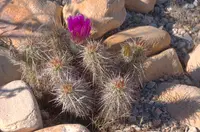
Engelmann's hedgehog cactus, Echinocereus engelmannii, is a small, clumping desert cactus known for its upright, ribbed stems covered in dense spines. It produces large, funnel-shaped spring flowers in shades of magenta to pink, often followed by small, edible fruits.
This species is native to arid regions of the southwestern United States and northern Mexico, where it grows in rocky, well-drained soils. It is naturally adapted to strong sun, low rainfall, and high temperature swings.
Because of its drought tolerance and slow, compact growth, it is considered relatively easy to grow in containers and rock gardens if drainage is excellent. Understanding how to care for Engelmann's hedgehog cactus starts with providing bright light, very lean soil, and minimal watering.

Care Difficulty
Moderate Care

Light Preference
Full Sun

Water Requirements
Low Water

Temperature Preference
Warm Climate

Hardiness Zone
8–11

Soil Texture
Sandy, Loamy, Rocky

Soil pH
Slightly acidic (6.5–7.0), Neutral (7.0)

Soil Drainage
Well-drained

Fertilization
Minimal (feed rarely)
Scan your plant to receive care tips personalized for your specific plant
Available on iOS and Android
This desert cactus needs strong, direct light to maintain compact, healthy growth.
This species is highly drought-tolerant and must dry thoroughly between waterings to avoid root rot.
This cactus thrives in hot, arid climates but needs protection from hard frost and prolonged cold, especially in wet conditions.
Humidity is rarely a concern for this desert cactus in home conditions.
This cactus needs a very fast-draining, mineral-heavy substrate to prevent root rot.
This species adapts very well to container growing when drainage and stability are managed carefully.
This desert cactus needs only light feeding to support flowering and healthy stem growth.
Echinocereus engelmannii needs minimal pruning, mainly for hygiene and safety.
This cactus prefers to stay undisturbed, so repot or transplant Echinocereus engelmannii only when clearly needed.
Propagation of Echinocereus engelmannii is commonly done by offsets and seeds under warm, dry conditions.
This species is cold hardy in many dry climates but still benefits from thoughtful winter care, especially in containers.

Plant Health Check
Not sure what's wrong with your plant? Check your plant's health inside the app.
This cactus produces large, funnel-shaped magenta to purple flowers with greenish centers that open in spring and are primarily pollinated by hummingbirds and large bees, which are attracted by both the color and abundant nectar.
Its dense, interlacing spines form a light-diffusing canopy that shades the stem, reducing surface temperature and water loss while still allowing enough light for photosynthesis in intense desert sun.
The plant often forms tight clumps of many stems arising from a shared root system, which stabilizes it in rocky desert soils and creates a small-scale microhabitat that traps leaf litter and moisture.

In the Mojave and Sonoran deserts, this cactus frequently establishes in the partial shelter of shrubs such as creosote bush, creating a classic nurse-plant relationship in which the shrub moderates temperature extremes, reduces evaporation, and increases seedling survival for the cactus beneath it.
This species performs best outdoors in a bright, dry, frost-free position, where temperature swings and full sun encourage natural growth and flowering. Engelmann's hedgehog cactus indoor care is possible but usually produces slower growth and fewer blooms.
Keep your plants happy and healthy with plant identification, disease detection, and easy care guidance.


kingcup cactus
Echinocereus triglochidiatus
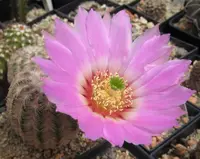
lace hedgehog cactus
Echinocereus reichenbachii
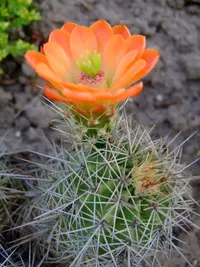
scarlet hedgehog cactus
Echinocereus coccineus
Apple
Malus domestica 'Golden Delicious'
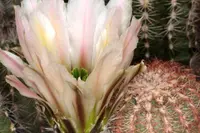
rainbow cactus
Echinocereus pectinatus
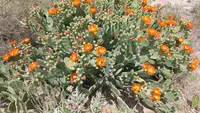
Opuntia megapotamica
Opuntia megapotamica
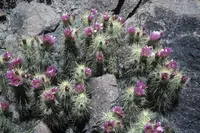
pinkflower hedgehog cactus
Echinocereus fendleri
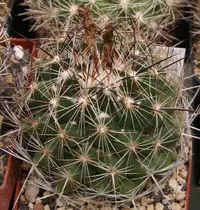
Nickels' cactus
Coryphantha nickelsiae