Spanish lady Care (Opuntia triacantha)

Also known as: Big Pine Key Prickly-pear, Jumping Pprickly Apple
Spanish lady

About Spanish lady

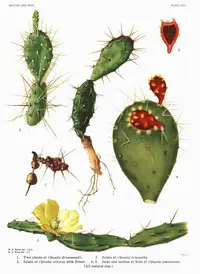
Spanish lady (Opuntia triacantha) is a small, branching cactus with flat, spiny pads and a low, spreading growth habit. It typically forms dense clumps rather than a tall, tree-like shape.

This species is native to dry coastal areas of the Caribbean, where it grows in rocky, sandy sites with high light and good drainage. Its drought tolerance and slow growth make it relatively low-maintenance, but the sharp spines require careful handling.

It generally prefers strong light, minimal watering, and very free-draining, gritty soil, so learning how to care for Spanish lady focuses mainly on avoiding excess moisture and root rot.

Main Plant Requirements

Care Difficulty

Easy Care

Light Preference

Full Sun

Water Requirements

Low Water

Temperature Preference

Tropical / Frost Sensitive

Hardiness Zone

11–12

Soil Texture

Sandy, Rocky, Loamy

Soil pH

Slightly acidic (6.5–7.0), Neutral (7.0)

Soil Drainage

Well-drained

Fertilization

Minimal (feed rarely)

Get Personalized Care Plan

Scan your plant to receive care tips personalized for your specific plant

Available on iOS and Android

How to Care for the Spanish lady

This coastal cactus thrives in strong, direct sun when light is introduced gradually.

  • Provide 6–8 hours of direct sun daily; full sun sites with open exposure suit Spanish lady in most warm, dry climates.
  • Allow light partial shade in the hottest afternoons, especially in inland areas where reflected heat from walls can scorch pads.
  • In late winter to early spring, increase light stepwise to avoid sunburn, and in cloudy seasons prioritize the brightest, least obstructed position.

This drought-tolerant cactus prefers deep, infrequent watering and fast-drying soil.

  • Water only when the top 3–5 cm of soil are completely dry; in hot, dry weather this may mean every 10–21 days, less often in humid or coastal sites.
  • Use very gritty, sharply draining soil so water runs through within seconds and no puddling persists around the roots.
  • Reduce watering sharply in cooler months; prune back if pads wrinkle slightly from thirst, but stop watering if pads soften, yellow, or become translucent, which signals excess moisture.

This species tolerates heat well but is sensitive to prolonged cold and frost.

  • Aim for 70–95°F (21–35°C) during active growth, as warm, dry air supports healthy pad and spine development.
  • Protect from temperatures below 40°F (4°C); brief dips to around 32°F (0°C) may be survived if soil stays dry, but repeated frost damages pads.
  • In very hot periods above 100°F (38°C), ensure excellent airflow and avoid tightly enclosed spots where radiant heat from walls or pavement can overheat tissue.

This cactus tolerates very dry air and humidity is rarely a concern indoors or outdoors.

This species needs a very fast-draining, mineral-based substrate to prevent root rot.

  • Use a gritty, sandy mix such as 50–70% inorganic material (pumice, coarse sand, perlite) with the rest lean cactus potting mix.
  • Keep structure loose, not compacted, so air can move through the root zone and water drains in seconds, not minutes.
  • Maintain slightly alkaline to neutral pH around 7.0–8.0; avoid peat-heavy mixes that turn sour and hold excess moisture.
  • Raise pots or planting areas if native soil is clayey, so excess water can escape and Opuntia triacantha roots stay dry between waterings.

This species grows well in containers when the pot and substrate manage extra drainage and weight from the pads.

  • Choose a wide, heavy container (unglazed clay or concrete) so the spreading pads do not tip the plant in wind or accidental bumps.
  • Fill the pot only two-thirds with substrate and keep pads centered, which lowers the center of gravity and improves stability as it branches.
  • Place the container where runoff water can leave quickly and not pool under the pot, reducing prolonged moisture around the drain holes when caring for Spanish lady.

Opuntia triacantha is a low-nutrient desert cactus that benefits from light feeding in containers or poor soils.

  • Use a low-nitrogen, balanced cactus fertilizer or diluted 10-10-10 at 1/4–1/2 strength to avoid lush, weak growth.
  • Feed every 4–6 weeks during the warm growing season when new pads are forming, skipping applications during heat or drought stress.
  • For Spanish lady in the ground, apply a thin layer of coarse compost once in spring instead of frequent liquid feeding.
  • Stop fertilizing in late summer and through winter dormancy to prevent soft, frost-prone tissue.

Pruning Opuntia triacantha is mainly done for safety, shape control, and to remove damaged pads.

  • Carry out light pruning in late spring or early summer, once active growth is clear and frost risk has passed.
  • Remove dead, diseased, storm-damaged, or badly scarred pads first, cutting at the joint with clean, sharp pruners or a knife.
  • Thin overcrowded, crossing pads to improve airflow and light penetration, which supports healthier, more compact growth.
  • Use thick gloves and long-handled tools to manage spines and glochids, and allow cut surfaces to dry and callus naturally.

This cactus is usually grown in the ground, so focus on careful transplanting rather than frequent repotting.

  • Transplant in late spring to early summer when soil is warm and the plant is actively growing, avoiding cool, wet periods.
  • Look for signs such as slow growth, pads leaning or crowding, or roots circling a pot drainage hole before moving Opuntia triacantha.
  • For containers, plan repotting every 3–5 years into a pot only 2–5 cm wider, using sharply draining cactus mix.
  • Minimize root stress by keeping roots as intact as possible, handling dry soil, replanting at the same depth, and withholding water for 5–7 days afterward.

New plants are most commonly produced from pad cuttings, with seeds used mainly for conservation or breeding work.

  • Take healthy, mature pads in late spring or early summer and cut cleanly at the joint with a sterile knife.
  • Air-dry cut pads in bright, dry shade for 5–10 days until a firm callus forms over the wound to limit rot.
  • Plant callused pads upright, burying the base 2–3 cm in coarse, barely moist cactus mix, then keep at 70–80°F in bright, indirect light.
  • For seeds, use a gritty, well-drained mix, keep slightly moist but not wet, and provide steady warmth and strong light to support germination.

This warm-climate cactus dislikes prolonged hard frost and benefits from simple winter precautions in cooler regions.

  • In frost-prone areas, grow in fast-draining soil on a slight slope to reduce winter wet around the pads and roots.
  • Add a light gravel or stone mulch around the base to keep the root zone drier and reduce freeze–thaw stress.
  • Move container plants under cover or indoors before temperatures fall consistently below 32°F, placing them in the brightest possible spot.
  • Keep winter watering very minimal, allowing soil to stay almost completely dry so pads remain firm and less vulnerable to cold damage.

Care Tips

Glove and tong handling

Handle pads only with thick leather gloves and long-handled tongs when transplanting or removing segments to avoid skin irritation from the fine glochids and to prevent bruising the pads.

Rock mulch ring

Create a 5–10 cm ring of coarse gravel or small rocks around the base to keep pads off wet soil, improve drainage at the crown, and reduce rot and slug damage.

Segment selection for cuttings

When propagating, choose firm, fully mature pads that are at least 1 season old, let the cut end callus in a dry, shaded place for 7–14 days, then plant only the bottom 2–3 cm to improve establishment.

Rain exposure control

In regions with humid or rainy summers, place containers under a roof overhang or on a slightly sloped stand so excess rainwater sheds away from the root zone and joints between pads, which limits fungal problems when growing Spanish lady.

Salt and wind tolerance use

In coastal areas, position the plant as a foreground barrier where it can benefit from its natural salt and wind tolerance while also discouraging foot traffic due to its spines.

Common Pests and Diseases

Cochineal scale

This pest forms dense white, cottony patches on pads, often with reddish staining when crushed. Symptoms include yellowing segments and reduced vigor, especially on dry, sunny sites where these insects thrive.

Solution

Prune off heavily infested pads and dispose of them in the trash. For remaining colonies, spray pads thoroughly with a strong jet of water, then treat remaining insects with repeated applications of insecticidal soap or a horticultural oil labeled for cacti, ensuring good coverage of areoles and scale clusters.

Cactus mealybugs

These insects hide in woolly white masses around areoles and spine bases, sucking sap and causing stunted growth and pad distortion. Symptoms include sticky honeydew and sooty black mold developing on affected areas.

Solution

Isolate affected plants, then dab individual clusters with cotton swabs dipped in 70% isopropyl alcohol, avoiding excess on the roots. Follow with 2–3 rounds of insecticidal soap or systemic insecticide labeled for succulents, applied at 7–14 day intervals, and reduce overcrowding to limit reinfestation, which is a key part of Opuntia triacantha plant care outdoors and indoors in mild climates.

Opuntia scab

This disease causes rough, corky, gray to brown patches on pads, often starting as small sunken spots that enlarge over time. Symptoms include cracked, deformed segments but usually limited internal rot.

Solution

Cut out and discard severely affected pads to reduce the source of infection. Improve air circulation, avoid wetting pads during irrigation, and if the problem persists in humid climates, apply a copper-based fungicide during warm, wet periods following label directions.

Fusarium wilt

This disease leads to internal browning of pads and stems, sudden segment collapse, and shriveling despite adequate soil moisture. Symptoms include reddish to brown discoloration in internal tissues when segments are cut open near the base.

Solution

Remove and discard all affected pads and any obviously discolored stem sections, and do not compost them. Replant only healthy segments into sterile, fast-draining substrate, keep irrigation light, and avoid reusing contaminated pots or soil to reduce reinfection risk in new plants.

Nopal borer

This insect pest tunnels inside pads and stems, causing internal galleries, drooping segments, and eventual collapse of affected tissue. Symptoms include small entry holes exuding dark, gummy sap and hollow, light pads when cut open.

Solution

Locate and remove all infested pads, cutting back to clean, solid tissue and disposing of the removed material off-site. Maintain strong plant health with full sun and very well-drained soil, and in areas with repeated problems, wrap lower stems with fine screening or use pheromone or light traps in coordination with local extension guidance to reduce adult moth populations.

Interesting Facts

Critically endangered cactus

This Caribbean cactus is listed as Critically Endangered on the IUCN Red List, mainly due to coastal habitat loss, invasive plants, and human disturbance on small islands.

Specialist moth pollinator

On Mona Island in Puerto Rico, it is pollinated primarily by a single moth species, upholding an unusually tight plant–pollinator relationship for a cactus.

Salt-tolerant coastal native

It naturally grows on exposed limestone cliffs and coastal scrub, tolerating salt spray, strong wind, and very shallow, alkaline soils.

Botan icon

Did you know?

This species forms part of a highly localized cactus–community on tiny Caribbean islands such as Mona and Desecheo, where its dense, spiny thickets provide key nesting and shelter sites for native reptiles and ground-nesting seabirds in otherwise harsh, rocky terrain.

FAQs about Spanish lady

Growth is generally slow to moderate. In warm, bright, dry conditions, new pads may appear each growing season, but overall size increases gradually. Poor light, cool temperatures, or frequent disturbance will slow extension of pads and branching.

Grow Healthy Plants with Botan Care

Keep your plants happy and healthy with plant identification, disease detection, and easy care guidance.

Botan plant care app — identify plants on mobile

Explore More Plants