Gymnocalycium gibbosum Care

Gymnocalycium gibbosum

About Gymnocalycium gibbosum

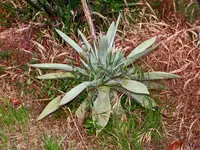
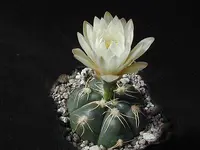
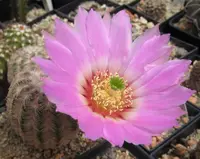
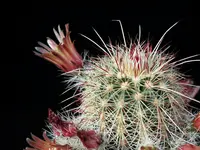
Gymnocalycium gibbosum is a small, slow-growing desert cactus with a rounded, ribbed body and prominent spines. It often stays compact, making it suitable for windowsills and small indoor collections.

This species is native to arid regions of Argentina and neighboring areas, where it grows in rocky, well-drained soils with strong light but occasional shade. Its ease of growth comes from its drought tolerance and relatively low nutrient needs, as long as excess moisture is avoided.

Understanding how to care for Gymnocalycium gibbosum mainly involves providing bright light, very free-draining mineral soil, and careful watering that allows the roots to dry between waterings.

Main Plant Requirements

Care Difficulty

Easy Care

Light Preference

Partial Sun

Water Requirements

Low Water

Temperature Preference

Warm Climate

Hardiness Zone

9–11

Soil Texture

Sandy, Loamy, Rocky

Soil pH

Slightly acidic (6.5–7.0), Neutral (7.0)

Soil Drainage

Well-drained

Fertilization

Minimal (feed rarely)

Get Personalized Care Plan

Scan your plant to receive care tips personalized for your specific plant

Available on iOS and Android

How to Care for the Gymnocalycium gibbosum

This cactus prefers bright, indirect light with some direct morning sun.

  • Provide 3–5 hours of gentle direct sun in the morning, then bright, filtered light for the rest of the day, especially in hot climates.
  • Protect Gymnocalycium gibbosum from harsh midday and afternoon sun, which can cause yellowing, corky patches, or sun scorch on the skin.
  • In winter, move outdoor plants to the brightest frost-free spot and, indoors, place near a south- or west-facing window to prevent elongated, weak growth.

Watering should balance deep soaking with thorough drying between events.

  • Allow the top 3–5 cm of soil to dry completely before watering, then soak until water drains freely from the pot or through the bed profile.
  • During active growth in spring and summer, expect watering every 10–21 days depending on heat, wind, and soil drainage for this cactus species.
  • Reduce water sharply in autumn and winter, watching for slight skin wrinkling as a cue to water and for soft, mushy tissue as a warning of overwatering.

Stable, warm conditions support compact, healthy growth.

  • Aim for 70–85°F (21–29°C) in the growing season, as Gymnocalycium gibbosum develops best in this range with good air movement.
  • Protect from freezing; this species is usually damaged below 28–30°F (-2 to -1°C), especially in wet soil, so provide cover or move containers under shelter.
  • In summer heat above 95°F (35°C), give light shade and avoid heat-reflective surfaces, as extreme, dry heat can stress tissue and slow growth.

This cactus handles typical indoor humidity but prefers air on the dry side.

  • Aim for 30–50% humidity; higher levels increase rot risk at the root collar.
  • Dry indoor air is usually fine if watering is sparse and the substrate dries quickly.
  • Soft, splitting tissue or pale, translucent spots indicate excess humidity; improve air movement and keep the plant away from kitchens, bathrooms, and humidifiers.

Gymnocalycium gibbosum needs a very fast-draining, mineral-rich substrate to protect its roots from rot.

  • Use a gritty, sandy mix with about 60–80% inorganic material such as pumice, coarse perlite, and 2–4 mm gravel.
  • Include a smaller organic fraction, such as cactus potting mix or sifted compost, just enough to hold nutrients without staying wet.
  • Ensure sharp drainage; water should flow through within seconds and the mix should dry fully in 3–7 days depending on temperature.
  • Aim for slightly acidic to neutral pH around 6.0–7.0 and avoid compacted, fine, peat-heavy or clay-based substrates that limit aeration.

This species is well suited to container growing on bright windowsills or sheltered outdoor spots.

  • Choose a pot only 1–2 in wider than the plant body to prevent excess unused mix from staying wet around the roots.
  • Use unglazed terracotta when possible, since its porous walls help moisture evaporate faster in cool or humid climates.
  • Raise the container slightly on pot feet or stones so drainage holes stay clear and water does not pool under the base.

This cactus benefits from light feeding but Gymnocalycium gibbosum is sensitive to excess nutrients.

  • Use a dilute balanced liquid fertilizer (around 10-10-10 or 20-20-20) at 1/4–1/2 strength suited for cacti and succulents.
  • Feed only during the active growing season, typically spring to late summer, every 4–6 weeks.
  • Avoid compost-rich or heavy organic mixes that stay wet and can damage roots.
  • Stop fertilizing in fall and winter to allow proper dormancy and reduce rot risk.

Pruning needs are minimal, focusing on health and safe handling rather than reshaping Gymnocalycium gibbosum.

  • Carry out any pruning in spring or early summer when the plant is actively growing.
  • Remove only dead, diseased, or rotting tissue using clean, sharp scissors or a sterile knife.
  • Trim off damaged offsets at the base if they are weak or misshapen, leaving healthy ones to maintain form.
  • Disinfect tools before and after cutting to reduce the spread of fungal or bacterial problems.

This small cactus prefers a stable pot but occasional repotting maintains root health and substrate quality.

  • Repot every 3–4 years or when roots circle the pot, drainage slows, or growth noticeably declines.
  • Choose late spring as the best time, when conditions are warm and light is strong.
  • Use a slightly larger pot with fast-draining cactus mix, keeping the root ball mostly intact.
  • Let roots dry for 1–2 days after repotting, then water lightly to reduce stress and rot risk.

New plants are usually obtained by offsets or seeds for Gymnocalycium gibbosum.

  • Detach firm offsets in late spring or early summer, using a sterile knife if needed.
  • Allow cut surfaces to callus in a dry, shaded spot for several days before planting.
  • Set offsets on or slightly into barely moist cactus mix, with bright indirect light and good airflow.
  • Sow seeds on gritty mix at 70–80°F, keeping humidity moderate and light bright but filtered.

Cold-season care is important because this cactus is not reliably hardy in prolonged freezes.

  • Keep temperatures around 40–50°F in winter, avoiding extended drops below freezing.
  • Move container plants indoors or to an unheated but bright, frost-free space before hard frost.
  • Maintain soil almost dry, watering only enough to prevent severe shriveling.
  • Ensure maximum light through winter to support a compact, healthy body.

Care Tips

Controlled pot sizing

Use a shallow, only slightly wider pot than the root ball to keep the root zone tight and reduce excess moisture retention, repotting just one size up every 3–4 years rather than on a fixed annual schedule.

Targeted top dressing

Apply a thin, 0.5–1 cm layer of inert grit (such as pumice, coarse sand, or small gravel) on the soil surface to keep the neck of the plant dry, reduce rot risk, and discourage fungus gnat larvae.

Winter rest management

From late fall, move the plant to a bright, cool spot and keep it almost completely dry to provide a true winter rest, which supports stronger flowering and more compact growth in the following season.

Flowering cycle support

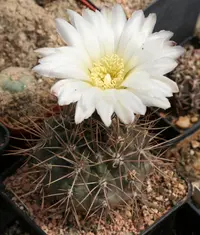
After buds appear, avoid rotating or moving the pot and protect it from sudden temperature or light shifts, which helps prevent bud drop and ensures more reliable blooming when growing Gymnocalycium gibbosum.

Systemic pest prevention

In spring, inspect the ribs and woolly areoles closely for mealybugs and scale, and if they appear, use a labeled systemic insecticide or repeated applications of isopropyl alcohol swabs rather than oil-based sprays that can burn the epidermis.

Common Pests and Diseases

Red spider mites

This pest feeds on cactus epidermis, causing a dull, brownish, corky surface and fine speckling that slowly ruins the plant’s appearance. Symptoms include rough patches, faded green color, and sometimes very fine webbing in areoles or ribs.

Solution

Move the plant to a slightly cooler spot out of intense, scorching sun to reduce stress, then spray the body thoroughly with a strong jet of water and wipe with a soft brush. Follow with 2–3 treatments of a miticide or insecticidal soap at 7–10 day intervals, and keep humidity slightly higher and air moving to make conditions less favorable for recurring infestations when growing Gymnocalycium gibbosum.

Mealybugs

These insects hide in the cactus ribs and areoles, sucking sap and leaving cottony white clusters on the plant and around roots. Symptoms include weak growth, yellowing, and sticky honeydew that can encourage sooty mold.

Solution

Isolate the plant and physically remove visible mealybugs with a cotton swab dipped in 70% isopropyl alcohol, then rinse the plant gently with lukewarm water. For heavy infestations, unpot the cactus, inspect and wash the roots, trim badly affected areas, then repot in fresh, sterile cactus mix and treat with a systemic insecticide labeled for mealybugs, monitoring closely for several weeks.

Scale insects

These insects appear as small, hard, brown or gray bumps along ribs and around areoles, where they suck sap. Symptoms include localized yellowing, uneven growth, and sometimes a sticky residue on the pot or nearby surfaces.

Solution

Use a blunt tool or cotton swab with 70% alcohol to detach each scale insect from the cactus surface, then wipe the whole plant carefully. Repeat physical removal every few days and apply a horticultural oil or insecticidal soap, ensuring full coverage of crevices, while improving air circulation and avoiding overfertilizing, which encourages soft, vulnerable growth.

Corky scab (edema-like damage)

This disorder occurs when the plant takes up water faster than it can use, especially after drought, causing cells to rupture and form rough, brown, corky patches along the lower ribs. Symptoms include permanent, dry, tan to brown scarring but usually not soft or spreading tissue.

Solution

Allow the soil to dry more evenly between waterings and avoid sudden heavy watering after long dry periods, especially in cool weather. Use a fast-draining mineral-rich cactus mix, keep the plant in a small pot with drainage, and water moderately only during active warm-season growth so new tissue forms smooth and healthy.

Fusarium stem rot

This disease is caused by soilborne fungi that invade through wounds or damaged roots, leading to internal brown or reddish streaks and localized soft, sunken areas on the stem. Symptoms include gradual shrinking, loss of firmness, and discolored tissue when cut open, often starting near the base.

Solution

At the first sign of localized rot, cut away all affected tissue with a sterile knife until only firm, healthy tissue remains, then dust the wound with a sulfur or copper-based fungicidal powder and allow it to dry in bright, dry air. Discard heavily infected plants, never reuse contaminated soil, and prevent future problems by using sterile, very well-drained substrate, watering only when the mix is dry, and avoiding injuries during repotting or handling.

Interesting Facts

Distinct hump-like ribs

This species develops strongly gibbous, or hump-like, ribs with deep furrows, which inspired the name gibbosum and distinguish it from smoother-ribbed relatives in the genus.

Cold-tolerant cactus

Unlike many desert cacti, this species can tolerate relatively low temperatures for short periods, reflecting its origin in cooler, higher-altitude regions of Argentina and Uruguay.

Variable spine coloration

Its spines can range from pale gray to dark brown or almost black, and their color intensity often changes with plant age and light exposure, making individual plants visually distinctive.

Botan icon

Did you know?

In habitat, this species often grows partially sunken into gravelly or rocky soil, which helps protect its tissues from temperature extremes and intense sun while still allowing the plant to photosynthesize efficiently.

FAQs about Gymnocalycium gibbosum

This species grows slowly, usually adding only a few millimeters in diameter per year. In good conditions it may reach a modest mature size in 5–10 years, which is normal when caring for Gymnocalycium gibbosum.

Grow Healthy Plants with Botan Care

Keep your plants happy and healthy with plant identification, disease detection, and easy care guidance.

Botan plant care app — identify plants on mobile

Explore More Plants