


Cold-dry overwintering
If winter lows stay above 20°F and soil drains sharply, keep the plant outside in a cold, completely dry spot over winter to promote stronger flowering and a more compact, hardy body the following season.

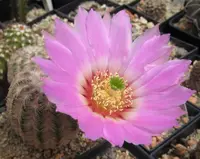
The lace hedgehog cactus (Echinocereus reichenbachii) is a small, clumping desert cactus known for its dense, hair-like spines and showy spring flowers. It usually forms low mounds of cylindrical stems, each ribbed and lined with fine white to pale yellow spines that create a soft, lace-like look.
This species is native to dry grasslands and rocky slopes in the south-central United States and northern Mexico. It is adapted to strong sun, limited rainfall, and fast-draining, mineral-rich soils.
These traits make it relatively undemanding in cultivation if given bright light, low to moderate watering, and gritty soil. Understanding how to care for lace hedgehog cactus mainly involves avoiding excess moisture and poor drainage.

Care Difficulty
Easy Care

Light Preference
Full Sun

Water Requirements
Low Water

Temperature Preference
Cold Hardy

Hardiness Zone
4–9

Soil Texture
Sandy, Loamy, Rocky

Soil pH
Slightly acidic (6.5–7.0), Neutral (7.0)

Soil Drainage
Well-drained

Fertilization
Minimal (feed rarely)
Scan your plant to receive care tips personalized for your specific plant
Available on iOS and Android
This cactus prefers strong light that mimics open, sunny prairie conditions.
Echinocereus reichenbachii needs thorough but infrequent watering that allows the root zone to dry between soakings.
This species is adapted to hot summers and cold, dry winters when properly established.
This cactus prefers dry air and rarely needs humidity adjustment in homes.
Use a very fast-draining, gritty mix to prevent root rot.
This species is very suitable for container growing when drainage and pot choice are carefully managed.
This cactus needs only light feeding to support flowering and healthy growth in cultivation.
Echinocereus reichenbachii needs minimal pruning, mainly for hygiene and safety.
This cactus prefers to stay slightly root-bound and only needs infrequent repotting or transplanting.
This species is most often propagated from seed, with offsets used when available.
This cactus is relatively cold hardy but still benefits from thoughtful winter management, especially in containers.

Plant Health Check
Not sure what's wrong with your plant? Check your plant's health inside the app.
This species produces large, fragrant pink to purple flowers that often open in the evening and can stay open into the next day, helping attract nocturnal and early-morning pollinators such as moths and bees.
Unlike many desert cacti, it can survive short periods of freezing temperatures, especially in its native Great Plains habitat where plants often overwinter almost buried in dry grasses and soil.
The long, comb-like radial spines and stronger central spines do more than protect against herbivores; they also create a visual outline that makes the small stem look larger and less palatable to grazing animals.

In wild populations, this cactus often grows partially sunken into the ground, so that only the spine-covered upper portion is visible above the soil surface, an adaptation that reduces water loss and protects the stem from extreme temperature swings on the Great Plains.
This species grows slowly, often adding only 0.5–1.5 cm in height per year. Mature clumps usually reach 10–25 cm tall and wide, forming several stems over many years under stable, stress‑free conditions.
Keep your plants happy and healthy with plant identification, disease detection, and easy care guidance.

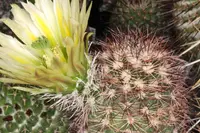
spiny hedgehog cactus
Echinocereus dasyacanthus
Apple
Malus domestica 'Golden Delicious'
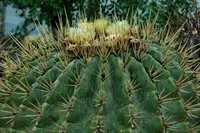
Acitrón barrel cactus
Ferocactus histrix

rainbow hedgehog cactus
Echinocereus rigidissimus

kingcup cactus
Echinocereus triglochidiatus
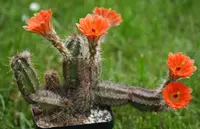
Echinocereus scheeri
Echinocereus scheeri
giant timber bamboo
Bambusa oldhamii
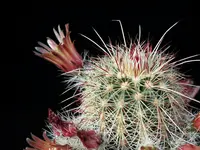
brownspine hedgehog cactus
Echinocereus russanthus