Spider cactus Care (Gymnocalycium denudatum)

Spider cactus

About Spider cactus

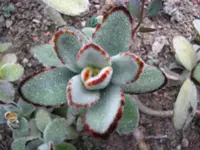
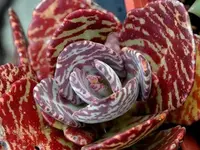
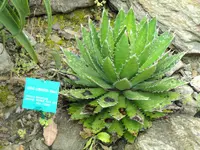
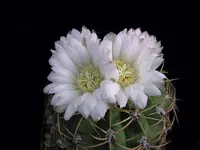
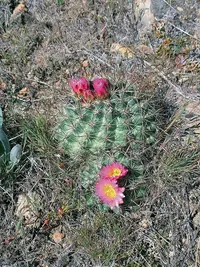
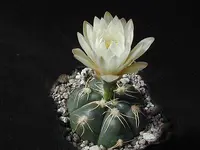
Spider cactus (Gymnocalycium denudatum) is a small, globular cactus from grassland and rocky habitats in southern Brazil, Uruguay, and nearby regions of South America. It stays compact, with rounded, ribbed stems that carry short, curved spines and showy, funnel-shaped white to pale pink flowers.

The plant grows slowly and remains manageable in containers, which makes it suitable for windowsills and small indoor collections. It is considered relatively easy to grow if its basic needs are met.

Spider cactus prefers bright light, low to moderate watering, and a sharply draining, gritty soil mix. These traits make it important to understand how to care for Spider cactus before watering or repotting.

Main Plant Requirements

Care Difficulty

Easy Care

Light Preference

Partial Sun

Water Requirements

Low Water

Temperature Preference

Tropical / Frost Sensitive

Hardiness Zone

10–11

Soil Texture

Sandy, Loamy, Rocky

Soil pH

Acidic (5.5–6.5), Slightly acidic (6.5–7.0)

Soil Drainage

Well-drained

Fertilization

Minimal (feed rarely)

Get Personalized Care Plan

Scan your plant to receive care tips personalized for your specific plant

Available on iOS and Android

How to Care for the Spider cactus

This cactus prefers bright, indirect light with limited direct sun to avoid scorching the ribs.

  • Provide 4–6 hours of bright light daily, with early morning sun and afternoon filtered or dappled light ideal for Spider cactus.
  • Outdoors, place in light partial shade where it receives only gentle direct sun; indoors, set near an east or bright north window.
  • Watch for signs of stress: yellowing or brown patches indicate too much intense sun, while pale, elongated growth signals insufficient light.

Watering Gymnocalycium denudatum correctly relies on fully drying cycles and fast-draining soil.

  • Allow the top 3–5 cm of soil to dry completely before watering, then soak thoroughly so excess drains away quickly.
  • In spring and summer, expect more frequent watering during active growth; in fall and winter, water very sparingly once the soil has been dry for many days.
  • Use a gritty, sharply draining cactus mix and watch for soft, translucent tissue (overwatering) or deep wrinkling and shrinking (underwatering).

This species prefers warm, stable temperatures and is sensitive to frost and prolonged cold.

  • Aim for 70–85°F (21–29°C) during the growing season for best growth, with good air circulation around the plant.
  • Protect from temperatures below 40°F (4°C); brief dips to 35°F (2°C) may be survived if the soil is dry, but frost can kill tissue.
  • In winter rest, cooler conditions around 50–60°F (10–16°C) are acceptable if kept dry, while in heat above 95°F (35°C) provide light shade and avoid hot, enclosed spots.

This cactus handles typical indoor humidity well and rarely needs special humidity management.

  • Aim for 30–50% humidity; dry household air is usually suitable for Spider cactus.
  • Watch for soft, pale, or blistered tissue, which indicates excess humidity or poor air movement rather than dryness.
  • If air is extremely dry and hot, increase humidity slightly by grouping plants together instead of misting the cactus.

This species needs a very fast-draining, mineral-based soil mix to prevent root rot.

  • Use a gritty, sandy mix such as 50–70% inorganic material (pumice, coarse perlite, grit, or coarse sand) with 30–50% cactus potting mix.
  • Keep the structure loose and airy so water runs through in seconds and the root zone dries within a few days.
  • Maintain slightly acidic to neutral pH around 6.0–7.0, which suits Gymnocalycium denudatum and supports nutrient uptake.
  • Avoid peat-heavy, compact, or water-retentive mixes that stay wet, as these promote rot and suffocate roots.

This compact cactus is very suitable for container growing.

  • Choose a pot only 2–4 cm wider than the plant body so the root zone dries evenly after watering.
  • Use unglazed terracotta when possible, since its porous walls help excess moisture evaporate from the root zone.
  • Place the container where it cannot be knocked over, as the shallow root system benefits from stable positioning.

This cactus benefits from light, structured feeding during its active season, but excess fertilizer can damage roots.

  • Use a balanced cactus fertilizer (low-nitrogen NPK or diluted all-purpose) at 1/4–1/2 strength.
  • Feed Spider cactus every 4–6 weeks in spring–summer when growth is visible.
  • Skip compost-heavy mixes that retain moisture and risk root rot.
  • Stop feeding in fall–winter so the plant can rest in a cool, dry state.

Gymnocalycium denudatum requires almost no structural pruning, only basic cleanup for health and appearance.

  • Perform any work in late spring–summer when the plant is actively growing.
  • Use clean, sharp scissors or tweezers to remove dried flowers and shriveled offsets.
  • Cut away soft, blackened, or scarred tissue back to firm, healthy green tissue.
  • Minimal pruning preserves the natural rounded form and supports normal flowering.

This compact cactus grows slowly and prefers infrequent repotting with minimal root disturbance.

  • Repot every 3–4 years or when roots circle the pot, drainage slows, or growth declines.
  • Plan repotting for late spring, using a shallow pot with ample drainage holes and gritty cactus mix.
  • Unpot gently, loosen circling roots lightly, and remove old, soggy soil without washing roots aggressively.
  • Replant at the same depth, keep soil just barely moist, and withhold watering for 5–7 days to limit root stress.

Gymnocalycium denudatum plant care often includes propagation from offsets or seeds for collection building.

  • Detach small side offsets in late spring–summer using a sterile knife, keeping some roots attached if possible.
  • Allow cut surfaces to dry and callus for several days in bright, indirect light before planting.
  • Set offsets or seeds in a sterile, gritty mix kept slightly moist and warm at 70–80°F.
  • Provide bright, indirect light and good air movement to reduce rot while new roots or seedlings establish.

This cactus prefers a cool, dry winter rest and is not tolerant of prolonged frost.

  • Keep temperatures around 45–55°F indoors in winter, avoiding drafts and freezing conditions.
  • Move container plants indoors before night temperatures drop near 40°F.
  • Provide as much light as possible while keeping soil almost completely dry.
  • Do not mulch the crown; ensure the pot drains freely so roots stay dry in cold weather.

Care Tips

Rotate For Symmetry

Turn the pot 90° every 2–3 weeks during active growth so the plant builds an even, rounded body rather than leaning toward the light source.

Encourage Pup Formation

Lightly top-dress with a 0.5–1 cm layer of fresh, sterile cactus mix in spring and avoid deep repotting to keep the neck shallow, which often stimulates more offsets around the base.

Protect From Summer Rains

If grown outdoors, place the pot under an overhang or use a simple rain shield during long summer storms to avoid prolonged saturation that can trigger stem cracking and rot.

Winter Rest Setup

From late fall, keep the plant in a bright, cool, and very dry spot and stop all feeding to maintain a proper rest period that supports stronger flowering the following season.

Simple Mealybug Patrol

Inspect the woolly areoles and between ribs every few weeks and, at the first sign of mealybugs, dab them with isopropyl alcohol on a cotton swab instead of spraying the whole plant to reduce stress while caring for Spider cactus.

Common Pests and Diseases

Mealybugs

This pest often hides in woolly white clusters between ribs and around the base of spines, feeding on sap and weakening the cactus over time.

Solution

Isolate the plant, then dab visible insects with cotton swabs dipped in 70% isopropyl alcohol and repeat weekly until no new clusters appear; for heavier infestations, apply a systemic insecticide labeled for cacti and improve light and airflow to reduce reinfestation risk.

Red spider mites

These insects are tiny sap feeders that thrive on stressed, indoor cacti and can cause a dull, roughened surface and fine webbing on the epidermis.

Solution

Rinse the plant under a gentle, lukewarm water stream to remove mites, then increase humidity slightly around the cactus without keeping the soil wet; if activity continues, use a targeted miticide or insecticidal soap, applied carefully to the epidermis and repeated according to label directions.

Scale insects

This pest appears as small, hard, brown or gray bumps on ribs and areoles, where it sucks sap and causes yellowing or weakened tissue.

Solution

Manually remove scales with a soft brush or cloth soaked in 70% isopropyl alcohol, then monitor closely and treat remaining insects with a systemic insecticide suitable for succulents, ensuring the plant receives adequate light and is not overfertilized, which can attract renewed infestations.

Fusarium stem rot

This disease is a fungal infection that enters through wounds or stressed tissue, leading to localized soft, brown, or reddish areas that may spread internally along the ribs.

Solution

At early stages, cut out affected tissue with a sterile blade back to firm, healthy tissue, allow the wound to dry and callus in bright, indirect light, and dust the cut with a sulfur-based fungicide; discard severely affected plants and avoid overhead watering or mechanical damage to prevent new infections.

Corking and sun scald

Symptoms include brown, scarred, and hardened patches on the ribs that can follow sudden strong sun exposure or long-term stress, which are common on older Gymnocalycium denudatum plants kept outdoors or moved too quickly into full sun.

Solution

Move the plant to bright, indirect light or provide light shade during the hottest hours, then maintain consistent watering and avoid rapid changes in light or temperature; damaged tissue will not revert, but stable, firm corking is mainly cosmetic and can be managed by preventing further stress while following basic Gymnocalycium denudatum care instructions.

Interesting Facts

Spineless lookalike spines

The ribs of this cactus are edged with pale areoles that often lack obvious spines, so the plant can appear almost spineless even though it is a true cactus with reduced defensive structures.

Night-opening white flowers

It produces large, fragrant, white, funnel-shaped flowers that typically open at night or in the very early morning and fade by the following day, a pattern linked to pollination by nocturnal insects.

Flattened globe shape

The stem stays as a low, flattened globe with rounded ribs instead of growing into a tall column, an adaptation that reduces sun exposure and water loss in its native habitats of southern Brazil, Uruguay, and Argentina.

Botan icon

Did you know?

In its natural range, this species often grows partly buried in gritty soil, with only the upper part of the stem visible; this helps regulate temperature around the growing point and protects the plant from grazing animals and intense sun.

FAQs about Spider cactus

Lack of flowers usually comes from insufficient light, a pot that is too large, or winter conditions that are too warm and moist. Provide a cool, drier rest in winter and stable conditions to encourage buds.

Grow Healthy Plants with Botan Care

Keep your plants happy and healthy with plant identification, disease detection, and easy care guidance.

Botan plant care app — identify plants on mobile

Explore More Plants