


Segment propagation timing
Take pad cuttings only during active warm-season growth, then air-dry the cut surface for 5–10 days until a firm callus forms to reduce rot and improve strike rate.

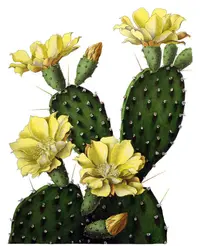
Opuntia decumbens, often called decumbent prickly pear, is a low-growing cactus with jointed pads that creep or trail close to the ground. Its segments can root where they touch soil, forming dense, spreading clumps over time.
This species is native to dry, rocky habitats in South America, where it is adapted to intense sun and limited rainfall. Small spines and tiny irritating hairs, called glochids, help protect it from herbivores.
Opuntia decumbens tends to be resilient and drought tolerant, so it is not difficult for patient growers in suitable conditions. Those who want to learn how to care for decumbens cactus should focus on strong light, fast-draining soil, and avoiding excess moisture.

Care Difficulty
Easy Care

Light Preference
Full Sun

Water Requirements
Low Water

Temperature Preference
Warm Climate

Hardiness Zone
9–11

Soil Texture
Sandy, Loamy, Rocky

Soil pH
Slightly acidic (6.5–7.0), Neutral (7.0)

Soil Drainage
Well-drained

Fertilization
Minimal (feed rarely)
Scan your plant to receive care tips personalized for your specific plant
Available on iOS and Android
This species prefers strong, direct sun but benefits from gradual acclimation outdoors.
Watering should be infrequent and guided by soil dryness rather than a fixed schedule.
This cactus thrives in warm, dry conditions and dislikes prolonged cold or excess humidity.
Humidity is rarely a concern, as this cactus prefers dry air similar to arid outdoor conditions.
Opuntia decumbens grows best in a very fast-draining, mineral-based substrate that prevents prolonged root moisture.
This species is well suited to container cultivation when given a stable, low-retentive setup.
This cactus has low nutrient needs but responds well to light feeding in active growth.
Pruning is mainly used to maintain shape and remove unhealthy pads.
Container-grown plants benefit from infrequent but careful repotting or transplanting.
New plants are most often produced from pad cuttings rather than seed.
This cactus is moderately cold tolerant but benefits from dry, protected winter conditions.

Plant Health Check
Not sure what's wrong with your plant? Check your plant's health inside the app.
This species has strongly prostrate stems that hug the ground and can root at the joints, allowing it to form low, spreading mats rather than the upright pads seen in many other prickly pears.
It is considered native to a limited area in Argentina, where it occurs in specific dry, open habitats, making its wild distribution far narrower than that of many widespread Opuntia relatives.
The pads carry a characteristic arrangement of long spines and tiny barbed glochids on the areoles, a combination that taxonomists use along with pad shape and growth habit to distinguish it from closely related creeping species.
This species forms low, sprawling pads that gradually spread outward, but it is not typically aggressive. It can slowly occupy open, sunny ground, so edging or occasional thinning helps keep clumps within the desired area.
Keep your plants happy and healthy with plant identification, disease detection, and easy care guidance.

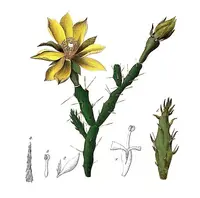
cockspur pricklypear
Opuntia pusilla
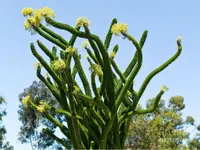
Madagascar Ocotillo
Alluaudia procera
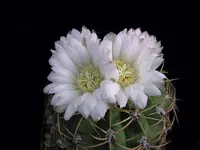
Gymnocalycium monvillei
Gymnocalycium monvillei

rainbow hedgehog cactus
Echinocereus rigidissimus
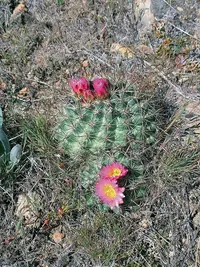
Simpson's Hedgehog Cactus
Pediocactus nigrispinus
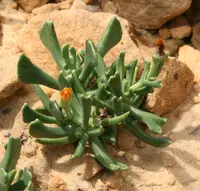
Hatchet-Leav'd Fig-Marigold
Rhombophyllum dolabriforme
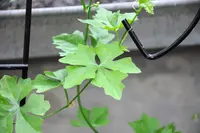
wareque
Ibervillea sonorae
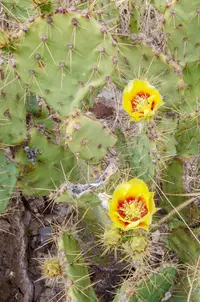
Rio Grande pricklypear
Opuntia aureispina