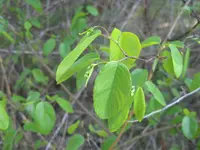
wareque Care (Ibervillea sonorae)

wareque

About wareque

Wareque, or Ibervillea sonorae, is a slow-growing caudiciform vine from arid regions of northwestern Mexico. It forms a rounded, woody tuber that stores water and supports slender seasonal stems. The plant usually drops its leaves in dry or cool conditions, then resprouts when moisture and warmth return. This drought-adapted habit makes it suitable for patient growers who enjoy unusual succulent forms. It stays compact in containers and responds well to bright light, warmth, and very well-draining, gritty soil. For those who want to learn how to care for wareque, its main challenge is avoiding overwatering and prolonged cold, rather than meeting high humidity or nutrient demands.

Main Plant Requirements

Care Difficulty

Moderate Care

Light Preference

Full Sun

Water Requirements

Low Water

Temperature Preference

Tropical / Frost Sensitive

Hardiness Zone

9–11

Soil Texture

Sandy, Loamy, Rocky

Soil pH

Slightly acidic (6.5–7.0), Slightly alkaline (7.0–7.5)

Soil Drainage

Well-drained

Fertilization

Minimal (feed rarely)

Get Personalized Care Plan

Scan your plant to receive care tips personalized for your specific plant

Available on iOS and Android

How to Care for the wareque

This desert vine prefers strong light and heat similar to its native habitat.

  • Provide 6–8 hours of direct sun, ideally with morning sun and light afternoon shade in very hot, dry regions to prevent stem scorch.
  • Plant wareque in an open, south- or west-facing spot; it tolerates bright partial shade but growth and caudex thickening slow in less than 4–5 hours of sun.
  • In summer, increase sun exposure gradually after cloudy periods; in winter, ensure the site still receives bright sun to support its dormant caudex.

Watering should mimic arid desert conditions with brief soakings and long drying periods.

  • During active growth, water only when the top 3–5 cm of soil are completely dry, then soak thoroughly and let excess drain away quickly to protect the caudex from rot.
  • Use a very fast-draining, gritty soil; Ibervillea sonorae in heavy or compacted soil shows yellowing, soft stems, and a mushy caudex from overwatering.
  • In winter dormancy, reduce watering to a light drink every few weeks or when stems shrivel slightly; severe wrinkling and leaf drop indicate extended drought stress.

This species thrives in hot, dry climates and suffers when exposed to frost or prolonged cold.

  • Aim for 75–95°F (24–35°C) during the growing season, when Ibervillea sonorae shows strongest vine and leaf development.
  • Protect the caudex from temperatures below 40°F (4°C); brief drops to 32°F (0°C) may be survived but can scar tissue and increase rot risk.
  • In very hot spells above 100°F (38°C), provide light afternoon shade and maintain airflow so the caudex and stems do not overheat on reflective rock or concrete surfaces.

This desert vine handles very dry air and usually does not need special humidity management.

  • Aim for 20–40% humidity, similar to a dry indoor room, which suits its desert adaptation.
  • Leaf tips browning with soft, pale growth usually signals overwatering or root issues rather than humidity stress.
  • If air is extremely dry from heating, a shallow tray of water placed nearby is sufficient; avoid misting the caudex.

Ibervillea sonorae needs very fast-draining, mineral-rich soil to protect its caudex from rot.

  • Use a cactus mix amended 30–50% with coarse pumice, perlite, or grit to keep the structure loose and sharply draining.
  • A sandy, gravelly substrate with minimal organic matter mimics its natural desert habitat and prevents waterlogging.
  • Keep pH slightly acidic to neutral, around 6.0–7.2, which supports root function without extra supplements.
  • Avoid dense peat-heavy or clayey mixes that hold water; add coarse mineral material whenever water sits longer than a few hours.

This caudiciform vine is well suited to container cultivation when drainage and caudex space are managed carefully.

  • Select a wide, shallow pot so the caudex can expand laterally while the soil mass still dries quickly between waterings.
  • Choose unglazed terracotta if extra evaporation is needed, since it wicks moisture away from the root zone faster than plastic or glazed ceramic.
  • Anchor a discreet support or small trellis in the pot so the vining stems can climb without pulling or tipping the container as they elongate.

Ibervillea sonorae is a desert caudiciform that requires very light feeding to avoid pushing soft, weak growth.

  • Use a low-strength balanced liquid fertilizer (around 10-10-10) at 1/4–1/2 label rate during active growth in late spring–summer.
  • Apply only every 4–6 weeks, and skip feeding if growth is very slow or plant looks stressed.
  • Provide no fertilizer during dormancy or winter; keep wareque cool, dry, and resting.
  • Avoid rich compost or heavy slow-release products, which can cause rot in the caudex and roots.

Pruning Ibervillea sonorae is minimal and mainly helps maintain a compact, manageable vine.

  • Carry out light pruning in late winter or early spring, before vigorous new growth begins.
  • Trim back dead, damaged, or badly tangled stems with clean, sharp scissors or small pruners.
  • Shortening overly long vines encourages branching and denser foliage, but avoid cutting into the swollen caudex.
  • Disinfect tools before and after use to reduce the risk of transmitting fungal or bacterial diseases.

This caudiciform prefers to stay slightly root-bound and is repotted or transplanted infrequently to avoid disturbing the caudex.

  • Consider repotting only every 3–5 years, when roots circle the pot, growth slows, or water runs straight through.
  • Time the move for late spring, once consistent warmth returns and growth is starting.
  • Choose a wide, shallow container with excellent drainage and a very gritty mix to support the tuberous caudex.
  • Handle roots gently, keep the caudex at or slightly above soil level, and water lightly for 1–2 weeks to limit transplant shock.

Propagation of Ibervillea sonorae is typically done from seed, as vegetative methods are unreliable for this caudiciform vine.

  • Sow fresh seeds in late spring–early summer in a warm environment at 75–85°F.
  • Use a very well-drained sandy or gritty mix and barely cover the seeds to prevent rotting.
  • Keep the substrate just lightly moist, never wet, and provide bright, indirect light for even germination.
  • After seedlings form a small caudex and several leaves, pot them individually, keeping handling of roots to a minimum.

This desert species dislikes prolonged cold and needs thoughtful winter care in most temperate climates.

  • Keep plants above 40–45°F; in colder regions grow in containers and move indoors for winter.
  • Allow foliage to die back naturally and keep the caudex and soil almost dry during dormancy.
  • Use a gritty, free-draining mix and avoid saucers of standing water, which increase rot risk in cool conditions.

Care Tips

Caudex depth control

Plant the caudex just at or slightly above the soil surface and periodically remove any accumulating topdressing so the woody body stays exposed and does not rot from trapped moisture.


Seasonal vine management

Allow the vine to ramble on a small trellis or stones during the warm growing season, then cut the dry stems cleanly back to the caudex once they are fully dormant to keep the plant compact and reduce pest hiding spots.

Pot rotation strategy

Rotate the pot by 90° every 2–3 weeks in the active season so new vine growth stays balanced around the caudex rather than leaning strongly to one side.

Targeted pest checks

Inspect the leaf axils and underside of the climbing stems every 2–3 weeks for spider mites and mealybugs, using a cotton swab with 70% isopropyl alcohol to remove any early colonies before they reach the caudex.

Controlled summer rest

In very hot, dry climates, allow a brief mid-summer rest by letting the soil dry fully and leaving the caudex shaded while keeping nights slightly cooler, which mimics its desert rhythm and supports long-term success when growing wareque.

Common Pests and Diseases

Mealybugs

This pest often hides in stem joints, under dry leaf bases, and around the caudex, feeding on sap and weakening new vines. Symptoms include sticky honeydew, cottony white clusters, and distorted growth.

Solution

Isolate the plant, then dab visible insects with cotton swabs dipped in 70% isopropyl alcohol and repeat weekly until clean; use a soft brush to reach folds in the caudex. Improve airflow, avoid excess nitrogen fertilizer, and if the infestation is heavier, apply a systemic insecticide labeled for succulent vines according to Ibervillea sonorae plant care guidelines.

Red spider mites

These insects thrive in hot, very dry conditions and can colonize the fine vines and undersides of leaves, causing stippling and dull, grayish foliage. Fine webbing may appear between nodes when populations increase.

Solution

Rinse the plant thoroughly with a firm but gentle stream of water, focusing on the undersides of leaves and vine joints, and repeat every few days. Increase local humidity around the foliage without wetting the caudex constantly, and use horticultural oil or insecticidal soap labeled for mites, applied in several rounds to break their life cycle.

Scale insects

This pest attaches as hard or waxy bumps on stems and the caudex surface, sucking sap and causing slow decline and weak growth. Sticky honeydew and sooty black mold may develop on nearby surfaces.

Solution

Physically remove scales with a soft toothbrush or cloth moistened with 70% isopropyl alcohol, taking care not to scratch the caudex skin deeply. For persistent infestations, use repeated applications of horticultural oil or a systemic insecticide, and keep the plant in bright, well-ventilated conditions to reduce stress while caring for wareque.

Fusarium stem wilt

This disease can enter through wounds on the caudex or stem, leading to localized soft, sunken areas and sudden vine wilt despite dry soil. Symptoms include brown vascular streaks inside affected tissues.

Solution

Promptly cut out all visibly affected vine and caudex tissue with a sterile, sharp blade, allowing each cut surface to dry and callus in warm, airy conditions. Disinfect tools between cuts, discard contaminated soil, repot into a fresh, very fast-draining mix, and avoid overhead watering or wounding the caudex when the plant is cool or inactive.

Bacterial soft rot

This disease may affect injured or overwatered caudices, causing rapidly spreading soft, foul-smelling tissue that collapses under light pressure. Symptoms include wet, mushy spots that quickly enlarge in warm, stagnant conditions.

Solution

Immediately remove the plant from its pot, cut away all affected tissue well into firm, healthy material, and dust the wound with sulfur or a copper-based product if available. Allow the cleaned caudex to dry for several days in bright, indirect light before replanting in a sterile, coarse, very free-draining substrate, and strictly limit watering until strong new growth resumes.

Interesting Facts

Desert caudex strategy

This species forms a large, woody caudex that stores water and nutrients, allowing the plant to survive long drought periods in the Sonoran Desert while its vine and leaves die back seasonally.

Nocturnal fragrant flowers

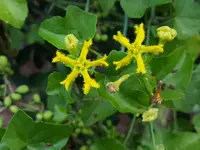
The small, pale yellow-green flowers open and become most fragrant at night, an adaptation that likely favors pollination by nocturnal insects such as moths in its native arid habitat.

Specialized desert range

It occurs naturally in arid and semi-arid regions of northwestern Mexico and the southwestern United States, where it grows in rocky, well-drained soils alongside other drought-adapted desert shrubs and succulents.

Botan icon

Did you know?

The mature caudex of this species can become partially or almost completely buried in its native habitat, with only a small portion exposed above the soil, helping protect stored water from intense surface heat and reducing moisture loss in extreme desert conditions.

FAQs about wareque

This species often needs to reach a certain tuber size and age before flowering. Insufficient winter rest, lack of strong seasonal light changes, or keeping it too evenly moist can delay or prevent bloom development.

Grow Healthy Plants with Botan Care

Keep your plants happy and healthy with plant identification, disease detection, and easy care guidance.


Botan plant care app — identify plants on mobile

Explore More Plants