Mulch For Cold
Apply 5–8 cm of coarse organic mulch over the root zone in late fall, keeping it a few cm away from the trunk base, to buffer winter temperature swings and protect the shallow roots.

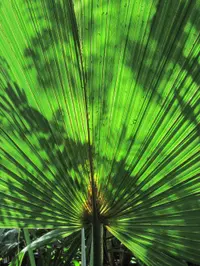
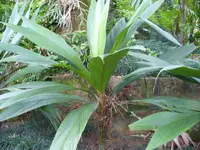
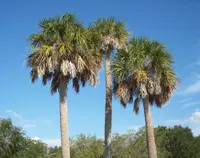
Dwarf palmetto (Sabal minor) is a small, trunkless palm native to the southeastern United States, often found in wetlands, river bottoms, and moist woodlands. It forms dense clumps of fan-shaped blue-green leaves that emerge directly from the ground, giving a low, architectural look. This species grows slowly and is unusually cold-hardy for a palm, which makes it suitable for temperate climates and low-maintenance landscapes. It tolerates seasonal flooding, brief drought once established, and a range of soils, so care for dwarf palmetto is generally straightforward. It prefers sun to light shade and consistent moisture, especially while young.

Care Difficulty
Easy Care

Light Preference
Full Sun

Water Requirements
Moderate Water

Temperature Preference
Cold Hardy

Hardiness Zone
7–10

Soil Texture
Sandy, Loamy, Clay

Soil pH
Slightly acidic (6.5–7.0), Neutral (7.0)

Soil Drainage
Moist but well-drained

Fertilization
Minimal (feed rarely)
Scan your plant to receive care tips personalized for your specific plant
Available on iOS and Android
This small palm prefers bright conditions but adapts to a range of light exposures in the landscape.
Sabal minor prefers evenly moist but not saturated soil, especially while establishing outdoors.
This species is unusually cold-hardy for a palm yet still grows best in warm conditions.
Humidity is usually not critical for Sabal minor, but moderate levels support healthier foliage, especially in heated indoor air.
Sabal minor grows best in loose, well-drained but moisture-retentive soil that does not stay waterlogged.
This species adapts reasonably well to container growing when root space and drainage are carefully managed.
This hardy native palm needs only light feeding, especially when grown in poor or sandy soils.
Sabal minor requires minimal pruning, focused on tidiness and plant health rather than shaping.
This palm is usually grown in the ground, so focus on careful transplanting rather than frequent repotting.
Sabal minor is almost always propagated from seed, which germinates slowly but reliably under the right conditions.
This species is one of the most cold-hardy palms and usually needs little winter care once established in suitable climates.

Plant Health Check
Not sure what's wrong with your plant? Check your plant's health inside the app.
This species is one of the most cold tolerant palms, naturally surviving winter lows near 0°F in parts of its range, which allows it to grow far north of where palms are usually found in the United States.
Most of the trunk of this palm stays below ground level, so the plant appears stemless even at maturity, an adaptation that helps protect its growing point from cold and fire.
In the wild it often grows in seasonally flooded woods, stream terraces, and coastal plain wetlands, tolerating both periodic inundation and short dry spells on heavy, often clay-rich soils.

Genetic studies and fossil evidence indicate that this palm is a relic of a once much more widespread warm-temperate palm flora in North America, making it an important species for understanding past climate and vegetation shifts on the continent.
Growth is slow. In typical garden conditions it may add 5–15 cm of trunkless height per year, taking many years to form a substantial clump. Patience is essential when growing dwarf palmetto as a landscape feature.
Keep your plants happy and healthy with plant identification, disease detection, and easy care guidance.