Cabbage palm Care (Sabal palmetto)

Also known as: Cabbage Palm, sabal palm, Carolina palmetto
Cabbage palm

About Cabbage palm

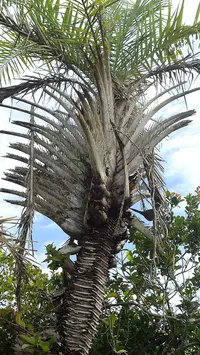
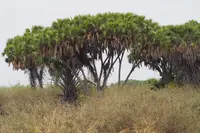
Cabbage palm, Sabal palmetto, is a hardy, slow-growing palm tree native to the southeastern US and the Caribbean. It is often seen along coasts, highways, and in coastal landscapes.

The trunk is stout and fibrous, topped with a rounded crown of large, fan-shaped fronds that create a dense, architectural look. Mature trees can form clusters of small, cream flowers followed by dark berries that attract wildlife.

This species tolerates salt, wind, drought, and a wide range of soils, which makes it adaptable and relatively low-maintenance once established. Understanding how to care for Cabbage palm starts with providing plenty of sun, well-drained soil, and avoiding overwatering, especially in heavy soils.

Main Plant Requirements

Care Difficulty

Easy Care

Light Preference

Full Sun

Water Requirements

Moderate Water

Temperature Preference

Warm Climate

Hardiness Zone

8–11

Soil Texture

Sandy, Loamy

Soil pH

Slightly acidic (6.5–7.0), Neutral (7.0)

Soil Drainage

Well-drained

Fertilization

Minimal (feed rarely)

Get Personalized Care Plan

Scan your plant to receive care tips personalized for your specific plant

Available on iOS and Android

How to Care for the Cabbage palm

Sabal palmetto performs best in strong light with some tolerance for partial shade.

  • Provide 6–8 hours of direct sun daily for best trunk and frond development, with morning sun and light afternoon shade ideal in hot inland climates.
  • Young or newly planted Cabbage palm benefits from filtered light or 3–4 hours of gentler morning sun during its first 1–2 years to reduce transplant stress.
  • In deep shade, growth slows and fronds stretch or thin; in very intense all-day sun, leaf tips may yellow or brown, especially during drought without mulch.

Sabal palmetto is drought-tolerant once established but benefits from thoughtful watering, especially while young.

  • For the first 1–2 years in the ground, water when the top 5–8 cm of soil is dry, then soak the root zone deeply and allow excess water to drain away.
  • Ensure sandy or well-drained soil; persistent puddling, sour smell, or soft, yellowing lower fronds indicate overwatering or poor drainage and increased root-rot risk.
  • Mature, established plants usually rely on rainfall; prolonged drought shows as folded, crispy leaflet tips, at which point a slow, deep soaking can restore vigor.

This species is adapted to warm, humid climates but tolerates a notable range of temperatures once established.

  • Optimal growth occurs around 70–90°F (21–32°C), with active leaf production and strong root growth in consistently warm seasons.
  • Established palms can tolerate brief drops near 10–15°F (-12 to -9°C), though younger plants are safer above 20°F (-6°C) and benefit from mulch around the root zone in winter.
  • In hot periods above 95°F (35°C), provide soil moisture and mulch to limit heat stress; fronds may show tip burn if high heat combines with drought and reflected heat from pavement.

This species tolerates a wide humidity range and rarely needs special humidity management indoors or outdoors.

  • Target 30–60% humidity; typical indoor and most outdoor conditions in temperate regions are adequate for Cabbage palm.
  • Dry indoor air is usually tolerated, but prolonged very low humidity may cause slight browning on older leaflet tips.
  • If leaf tips crisp in very dry, heated rooms, group plants together or place the container near, but not over, a tray of water and pebbles.

Sabal palmetto prefers sharply draining, sandy substrates but adapts to a range of well-aerated mineral soils.

  • Use a sandy, mineral-rich mix such as 50–70% coarse sand with the rest split between loam and a small amount of compost.
  • Ensure very fast drainage; the mix should not stay soggy longer than 1 day after thorough watering.
  • Aim for slightly acidic to neutral pH, roughly 6.0–7.0, avoiding highly alkaline or salty substrates.
  • Improve aeration by adding coarse sand or fine gravel rather than large amounts of peat, which can compact and hold excess water.

This palm can be grown in containers, especially while young, though it eventually outgrows most pots.

  • Choose a deep, heavy container to stabilize the tall, top-heavy crown against wind and accidental knocks.
  • Select thick-walled terracotta or concrete if possible, as these materials moderate moisture swings and reduce tipping risk.
  • Raise the pot on feet or bricks so large drainage holes stay clear and excess water exits quickly after heavy watering or rain.

This native palm needs modest feeding, as many established trees thrive with minimal fertilizer input.

  • Use a slow-release palm-specific or balanced NPK fertilizer in spring, with added micronutrients like magnesium and manganese.
  • Feed outdoor Sabal palmetto every 6–8 weeks during the warm growing season if soil is poor.
  • Apply at 1/2–3/4 label rate to avoid salt buildup and root burn.
  • Stop feeding in late fall and avoid winter applications, especially in cooler regions.

This palm requires only light, selective pruning to maintain health and safety rather than shaping.

  • Prune Sabal palmetto in late spring or early summer once any risk of frost has passed.
  • Remove only dead, brown, broken, or severely pest-damaged fronds; keep green fronds intact.
  • Cut flower and fruit stalks if seed litter is a concern, using clean, sharp loppers or a pruning saw.
  • Avoid hurricane-cut crowns, which weaken the palm and increase stress and disease risk.

This species is rarely repotted long term, so care focuses on correct transplanting from field or nursery containers.

  • Transplant in late spring or early summer when soil is warm and rainfall is reliable.
  • Look for tight root balls, circling roots, or poor shoot growth as signs a container Cabbage palm needs a larger space.
  • Move up only 1–2 pot sizes or into a permanent ground site, keeping the original soil level at the same height.
  • Minimize root disturbance, water deeply after planting, and provide 6–12 months of consistent moisture to reduce stress.

In landscapes, this palm is almost always produced from seed rather than vegetative methods.

  • Collect fully ripe, dark fruits and clean the seeds to remove remaining pulp, which can inhibit germination.
  • Sow seeds in late spring to early summer in a warm, bright area at 75–85°F.
  • Use a very well-drained, sandy mix and keep it evenly moist but not waterlogged.
  • Expect slow, uneven germination and avoid disturbing seedlings, which resent root damage.

This palm is relatively cold hardy but benefits from simple winter care in cooler parts of its range.

  • Mature plants typically tolerate brief drops to about 15–20°F once established.
  • Apply 5–10 cm of mulch around the root zone, keeping it away from the trunk to limit rot risk.
  • Wrap the central spear and crown with breathable fabric during hard freezes in marginal climates.
  • Grow container palms in large pots and move them into a bright, cool, frost-free space for winter.

Care Tips

Root flare check

When planting or inspecting established plants, ensure the top of the root flare sits just at or slightly above soil level to prevent trunk rot and improve long-term stability.


Minimal trunk wounding

Avoid nailing signs, tying wires, or attaching lights directly to the trunk, as wounds heal very slowly and can become long-term entry points for decay and pests.

Hurricane anchoring

In storm-prone areas, use 3–4 adjustable straps attached to sturdy stakes or deadmen during the first 1–2 years after transplanting to stabilize the palm while roots anchor, then remove all supports to prevent girdling.

Frond removal timing

Schedule removal of dead or heavily damaged fronds just before hurricane season or major wind events so the canopy is cleaner and less likely to tear or break under load.

Transplant shock reduction

When relocating field-grown specimens, reduce canopy volume by removing only completely dead or broken fronds, then maintain consistent irrigation and avoid fertilizer for 2–3 months to help the plant adjust, which is an important part of caring for Cabbage palm after transplant.

Common Pests and Diseases

Palmetto weevil

This pest is a large snout beetle whose larvae tunnel into the crown of stressed or recently transplanted palms, causing rapid decline and death of the main growing point.

Solution

Remove and destroy heavily infested or collapsing palms promptly to prevent spread, and avoid stressing the plant by proper watering and fertilization. For high‑value specimens, use a labeled systemic insecticide drench on the trunk and crown area as a preventive measure, especially after transplanting or during hot months when adult activity is highest.

Giant palm borer

This pest is a large beetle whose larvae bore into older trunks, creating internal galleries that can weaken the palm over time.

Solution

Prune and destroy heavily damaged or dead trunks where practical, and keep the palm healthy with proper irrigation and nutrition to reduce susceptibility. For landscape situations where the trunk shows fresh boring dust, consult a local arborist or extension service about timing of trunk-targeted insecticide applications aimed at the adult stage.

Ganoderma butt rot

This disease is caused by the fungus Ganoderma zonatum, which attacks the lower trunk, leading to internal decay, wilting, and eventual palm death, often with bracket-shaped conks at the base.

Solution

Remove the entire palm and as much of the stump and roots as possible once conks or confirmed infection appear, since there is no curative treatment. Do not replant another palm in the same spot, and avoid trunk injuries and overwatering in nearby palms to reduce new infections.

Lethal bronzing disease

This disease is caused by a phloem-limited phytoplasma spread by sap-feeding insects, leading to premature fruit drop, leaf bronzing or reddening, and eventual death of the spear leaf and crown.

Solution

Remove and destroy symptomatic palms quickly to reduce the local source of infection, as there is no reliable cure once symptoms are advanced. In areas where this disease is present, monitor palms regularly and discuss preventive oxytetracycline trunk injections and vector management with a local arborist or extension specialist as part of Sabal palmetto plant care.

Leaf spot

This disease, often fungal, produces small to medium brown or gray lesions on leaflets that can coalesce, giving fronds a speckled or blighted appearance, especially in warm, humid conditions.

Solution

Remove and dispose of heavily spotted, older fronds to reduce inoculum, and water at the soil level rather than overhead to keep foliage dry. Improve spacing and airflow around the palm, and where cosmetic damage is significant, apply a palm-safe fungicide labeled for leaf spots according to local recommendations.

Interesting Facts

Hurricane-resistant trunk

The trunk is composed of densely packed fibrous leaf bases rather than true wood, which allows the tree to flex in high winds and helps it survive strong coastal storms and hurricanes better than many other tree species.

Salt and splash tolerant

This palm naturally occurs along the southeastern US coast and tolerates salt spray and occasional brackish flooding, so it can grow close to shorelines where many other trees fail.

State symbol status

This species is the state tree of both South Carolina and Florida, and its silhouette appears on the South Carolina state flag, reflecting its long cultural and historical association with the region.

Botan icon

Did you know?

Early American defensive fortifications at Sullivan’s Island in South Carolina used the fibrous trunks of this palm to build walls that absorbed British cannon fire during the Revolutionary War, because the resilient tissue tended to flex and trap cannonballs instead of shattering.

FAQs about Cabbage palm

Yellowing older fronds usually indicate natural aging and can be removed once fully brown. Widespread yellowing on newer leaves suggests nutrient deficiency, chronic overwatering, waterlogged or compacted soil, or root damage from transplanting, construction, or pests.

Grow Healthy Plants with Botan Care

Keep your plants happy and healthy with plant identification, disease detection, and easy care guidance.

Botan plant care app — identify plants on mobile

Explore More Plants