East African doum palm Care (Hyphaene compressa)

East African doum palm

About East African doum palm

The East African doum palm, Hyphaene compressa, is a branching palm tree native to dry river valleys and savannas in East Africa. It is often found along seasonal waterways where its deep roots can reach groundwater.

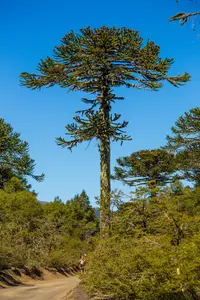
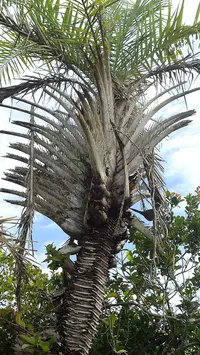
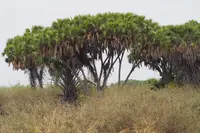
This palm has a sturdy trunk that forks naturally, with stiff, fan-shaped leaves and hard, fibrous fruits. It grows slowly and eventually forms a tall, architectural silhouette.

Hyphaene compressa is adapted to high heat, sun, and drought, which can make it resilient but slow to establish in cultivation. Knowing how to care for East African doum palm starts with providing strong light, warmth, and sharply drained, sandy soil.

Main Plant Requirements

Care Difficulty

Moderate Care

Light Preference

Full Sun

Water Requirements

Low Water

Temperature Preference

Warm Climate

Hardiness Zone

10–12

Soil Texture

Sandy, Loamy, Rocky

Soil pH

Slightly acidic (6.5–7.0), Slightly alkaline (7.0–7.5)

Soil Drainage

Well-drained

Fertilization

Minimal (feed rarely)

Get Personalized Care Plan

Scan your plant to receive care tips personalized for your specific plant

Available on iOS and Android

How to Care for the East African doum palm

This desert palm needs strong sun but adapts to some seasonal shade once established.

  • Provide 6–10 hours of direct sun daily; full, open exposure suits East African doum palm best in most warm climates.
  • Allow light afternoon shade in very hot, inland areas to reduce leaf scorch, especially on young or newly transplanted specimens.
  • Avoid deep, permanent shade, which leads to thin, weak growth and sparse crowns; ensure unobstructed sun in winter when days are shorter.

This drought-tolerant palm prefers deep, infrequent watering in sharply draining soil.

  • Water only when the top 5–8 cm of soil is completely dry; apply a slow, deep soak rather than light surface sprinkling.
  • Reduce watering in cool seasons; in hot, dry periods, monitor for folding or crisping leaf tips as a sign Hyphaene compressa needs moisture.
  • Use sandy or gravelly soil with excellent drainage; yellowing, soft fronds and sour-smelling soil indicate overwatering and root stress.

This species thrives in hot, arid to semi-arid climates with mild winters.

  • Aim for 77–100°F (25–38°C) for fastest growth; it tolerates higher dry heat if soil is not waterlogged.
  • Protect from frost; short dips to about 28–32°F (-2–0°C) may be survived by mature palms, but repeated freezes can kill young plants.
  • In marginal climates, choose the warmest, sunniest microclimate, sheltered from cold winds, to buffer winter lows and spring temperature swings.

This species tolerates a wide humidity range and usually does not need special humidity management indoors.

  • Target 30–50% relative humidity, similar to typical indoor air, which suits East African doum palm growth well.
  • It copes with short periods of drier air, but prolonged very dry conditions combined with heat can brown leaf tips and edges.
  • If air is extremely dry near heaters or vents, increase humidity locally by grouping plants or placing a tray of water and stones nearby.

Hyphaene compressa prefers fast-draining, sandy substrates that do not stay wet around the roots.

  • Use a mix of roughly 50–60% coarse sand, 20–30% loam, and 10–20% fine gravel or grit to keep the root zone open and free-draining.
  • Aim for slightly acidic to neutral pH, around 6.0–7.2, avoiding strongly acidic or alkaline substrates that can limit nutrient uptake.
  • Incorporate a small amount of well‑decomposed compost, but avoid peat-heavy or highly organic mixes that hold water for long periods.
  • Improve aeration by avoiding compaction, using a container with large drainage holes, and never allowing the pot to stand in collected runoff.

This palm can be grown in containers, especially when young, if the pot is managed for stability and rapid drainage.

  • Choose a deep, heavy container that resists tipping as the palm develops a tall, stiff crown and expanding root system.
  • Select a thick-walled clay or concrete pot if outdoor conditions are windy, as these materials add weight and moderate moisture swings.
  • Keep the drainage layer clear by elevating the container slightly on pot feet so excess water exits quickly and does not pool at the base.

This palm grows slowly and needs modest feeding in cultivation compared with many tropical container plants.

  • Use a balanced slow-release or controlled-release fertilizer (around 10-10-10 or 14-14-14) in spring for East African doum palm in pots or managed landscapes.
  • Apply light amounts once every 8–10 weeks during the warm growing season, based on label rates for palms.
  • Reduce feeding to 1 very light application in late summer or none at all in winter or cool, low-growth periods.
  • For young container plants, use a half-strength liquid balanced NPK feed every 4–6 weeks, watering beforehand to limit root burn.

Hyphaene compressa benefits from limited, targeted pruning to keep it safe and tidy without altering its natural form.

  • Carry out pruning in late winter or early spring, before strong new growth begins.
  • Remove only dead, broken, pest-infested, or severely crossing fronds and stems to reduce disease and hazards.
  • Avoid cutting green fronds close to the trunk, as this can stress the palm and weaken its structure.
  • Use clean, sharp loppers or a pruning saw; disinfect blades between plants to lower infection risk.

This species is usually grown in the ground, so focus on careful transplanting of young palms rather than frequent repotting.

  • Look for roots circling the pot, water running straight through, or very slow growth as signs a container seedling needs a larger pot.
  • Transplant or up-pot in late spring or early summer, when soil is warm and recovery is fastest.
  • Plan for infrequent moves, about every 2–3 years in containers, since older palms resent root disturbance.
  • Minimize root stress by keeping the root ball intact, watering deeply before and after moving, and shading the plant for 1–2 weeks.

Propagation of Hyphaene compressa is carried out mainly from seed and is slow but feasible with stable warmth and moisture.

  • Use fresh, ripe seeds; older seed shows lower germination and slower response.
  • Sow in late spring or early summer in a deep container with very well-drained, sandy mix kept at 77–86°F.
  • Soak seeds 24–48 hours in clean water, then cover lightly and maintain steady, slightly moist conditions, not waterlogged.
  • Expect long, uneven germination; leave trays undisturbed for many months while monitoring for fungal growth.

This palm is adapted to warm climates and has low frost tolerance, so winter care matters in cooler regions.

  • In USDA zones below 10, grow in containers and move indoors or into a heated greenhouse before temperatures fall below 40°F.
  • For in-ground plants in marginal climates, apply a 5–8 cm mulch layer around the root zone, keeping it away from the trunk.
  • Wrap young stems and the crown with breathable frost cloth during short cold spells, removing covers during mild days to avoid rot.

Care Tips

Deep root training

For young plants, water less frequently but very thoroughly so moisture penetrates 30–40 cm deep, which encourages a taproot and sturdy root system that better tolerates drought and wind when growing East African doum palm.

Wind hardening outdoors

If moving a container plant outside, gradually expose it to stronger wind over 1–2 weeks so the petioles and trunk tissues strengthen and are less likely to snap in storms.

Salt tolerance management

In coastal or arid areas with saline or hard irrigation water, flush the soil with low-salt water every few months to reduce salt buildup that can burn leaflet tips.

Trunk base protection

Maintain a clear, weed-free mulch ring around the trunk base, keeping mulch 5–8 cm away from direct contact with the stem to reduce fungal problems and rot at the crown.

Safe offshoot handling

When offshoots appear at the base, leave them attached until they have a well-developed root system, and use a clean, sharp tool to separate only during warm, active growth periods to reduce stress and infection risk.

Common Pests and Diseases

Red palm weevil

This pest tunnels inside trunks and crowns, causing wilting, crown collapse, and internal decay that may be hard to see at first.

Solution

Remove and destroy heavily infested plants to prevent spread, and regularly inspect the crown and leaf bases for frass and soft tissue; in outdoor or landscape settings, licensed professionals can use targeted systemic insecticides injected into the trunk or applied as drenches to protect remaining palms.

Rhinoceros beetle

These insects bore into the crown and young leaf bases, leaving V-shaped cuts or shredded emerging fronds and sometimes killing the growing point.

Solution

Hand-pick adults at night where practical, destroy larvae found in nearby rotting organic matter, and keep the area around the palm free of decomposing mulch or manure; in high-pressure areas, growers may use physical barriers around the crown or arrange professional application of biological or targeted chemical controls.

Leaf spot fungi

This disease causes brown to gray spots or streaks on leaflets, sometimes with yellow halos, leading to premature leaf aging under humid or crowded conditions.

Solution

Prune and discard affected fronds, avoid wetting the foliage when watering, and improve spacing and airflow; in persistent outdoor cases a palm-safe fungicide labeled for leaf spots can be applied according to local East African doum palm care instructions.

Scale insects

These insects appear as small bumps on leaf bases, petioles, and trunks, sucking plant sap and causing yellowing, reduced vigor, and sticky honeydew that may attract sooty mold.

Solution

Wipe or gently scrub infested areas with a cloth or soft brush dipped in mild soapy water or horticultural oil, repeat every 7–10 days until populations drop, and for severe outdoor infestations consider a systemic insecticide labeled for palms applied by a professional.

Interesting Facts

Distinct twin-branched crown

This species often develops a forked trunk that repeatedly divides, creating a candelabra-like crown, a growth form that is unusual among palms and characteristic of the genus Hyphaene.

Floodplain habitat specialist

It is naturally found along East African riverbanks and seasonal floodplains, where its deep root system tolerates periodic flooding as well as long dry spells once established.

Locally important food resource

In parts of Kenya and neighboring regions, the fibrous but sweet fruits and the tender terminal bud are traditionally eaten, and the seeds are sometimes used as a vegetable ivory substitute for small carved items.

Botan icon

Did you know?

Hyphaene compressa forms extensive riverine stands that help stabilize sandy banks and provide nesting and roosting sites for a range of birds, making it a structurally important species in some East African riparian ecosystems.

FAQs about East African doum palm

Container growing is possible when using a very large, deep pot with excellent drainage. Growth stays slower and smaller than in-ground plants. Long term, strong roots and multiple trunks usually require eventual planting in open soil.

Grow Healthy Plants with Botan Care

Keep your plants happy and healthy with plant identification, disease detection, and easy care guidance.

Botan plant care app — identify plants on mobile

Explore More Plants