palo de gallina Care (Alchorneopsis floribunda)

palo de gallina

About palo de gallina

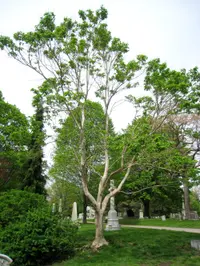
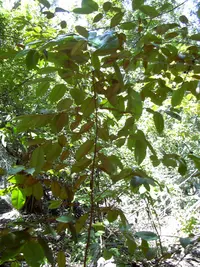
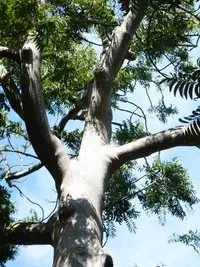
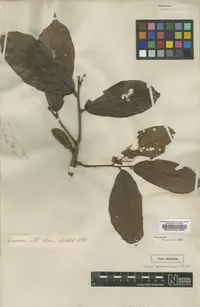
Palo de gallina (Alchorneopsis floribunda) is a tropical evergreen shrub or small tree from wet lowland forests of Central America, the Caribbean, and northern South America. It usually grows with a single or few trunks and a rounded, leafy crown.

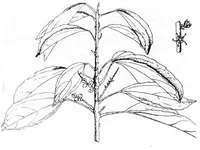
The plant carries simple green leaves and small, clustered flowers that are more ornamental in mass than as individual blooms. Its preference for warm, humid, and consistently moist conditions makes it better suited to tropical gardens than to dry or cool climates.

Gardeners who care for palo de gallina need to provide protected, frost-free conditions and reliably damp, well-drained soil. In cultivation, it is generally considered a specialty plant rather than a common landscape choice.

Main Plant Requirements

Care Difficulty

Moderate Care

Light Preference

Partial Shade

Water Requirements

Regular Water

Temperature Preference

Tropical / Frost Sensitive

Hardiness Zone

11–12

Soil Texture

Loamy, Silty, Organic-rich

Soil pH

Acidic (5.5–6.5), Slightly acidic (6.5–7.0)

Soil Drainage

Moist but well-drained

Fertilization

Minimal (feed rarely)

Get Personalized Care Plan

Scan your plant to receive care tips personalized for your specific plant

Available on iOS and Android

How to Care for the palo de gallina

Alchorneopsis floribunda thrives in bright, warm conditions that mimic lowland tropical forests.

  • Provide 4–6 hours of filtered or dappled sun daily, with morning sun and afternoon shade, especially in hot climates where direct midday sun can scorch foliage.
  • Plant in a site with high, open shade or light understory conditions; palo de gallina tolerates partial shade but becomes sparse and leggy in deep shade.
  • In summer, monitor for leaf yellowing or crisp edges from excessive sun; in winter, avoid dense shade from structures or evergreen trees that further reduce light.

Alchorneopsis floribunda prefers consistently moist, well‑drained soil without long periods of saturation.

  • Water when the top 3–5 cm of soil feel slightly dry, aiming for evenly moist but not waterlogged conditions that support steady root activity.
  • Use deep, infrequent soakings rather than light splashes, and ensure soil or site drainage prevents standing water that leads to root rot, sour odors, and blackened roots.
  • In cooler or rainy seasons, reduce watering frequency and watch for yellowing, soft leaves from excess moisture; increase watering if leaves wilt, curl, or feel dry and papery.

This species is a true lowland tropical plant and responds best to consistently warm conditions.

  • Maintain an optimal active growth range of 70–86°F (21–30°C), which supports steady foliage and stem development without temperature stress.
  • Protect from cold; growth slows below 60°F (16°C), tissue damage may begin near 45°F (7°C), and plants are usually killed by frost or brief drops near 32°F (0°C).
  • In hot weather above 90°F (32°C), provide extra shade and moisture to limit heat stress, and avoid planting where hot, dry winds or reflective surfaces raise leaf temperatures.

This species benefits from moderately high humidity, especially when grown as palo de gallina indoors.

  • Aim for 50–70% humidity; it tolerates brief dips lower but prolonged very dry air slows growth.
  • Crisping leaf edges, dull foliage, and slowed new growth indicate humidity stress rather than underwatering.
  • Increase humidity with a nearby room humidifier, grouping plants, or placing the pot above (not in) a pebble-and-water tray.

Provide deep, well-drained yet moisture-retentive soil to support steady growth.

  • Use a loamy, organic-rich base with a crumbly structure that holds moisture but does not stay waterlogged.
  • Aim for slightly acidic to neutral pH around 6.0–7.0, avoiding strongly alkaline or saline soils that restrict nutrient uptake.
  • Blend compost or leaf mold with coarse sand and 10–20% perlite to improve both aeration and drainage capacity.
  • Avoid compacted clay, standing water, or heavy peat-only mixes, which reduce oxygen around roots and increase rot risk.

This species can be grown in containers if the pot is sized and stabilized for its woody growth.

  • Choose a deep, heavy container to counterbalance woody stems and reduce tipping in windy or exposed sites.
  • Select a pot material that matches your climate, for example heavier clay in wet areas to prevent excessive moisture retention.
  • Raise the container on feet or bricks so drainage holes clear the ground and excess water escapes quickly after rainfall or watering.

Alchorneopsis floribunda is a modest feeder, so use light, balanced nutrition to support steady growth without forcing soft, weak tissue.

  • Apply a balanced NPK fertilizer (such as 10-10-10) at half strength every 6–8 weeks during the warm growing season.
  • Use either a slow-release granular product mixed into the topsoil or a diluted liquid feed in well-watered soil.
  • In nutrient-poor sites, add a thin layer of mature compost once a year to improve soil structure and microbiology.
  • Hold off on feeding in late fall and winter, when growth slows, to avoid salt buildup and leggy, frost-tender shoots; this suits caring for palo de gallina in mild climates.

Alchorneopsis floribunda benefits from light structural pruning to maintain a healthy canopy and safe size.

  • Carry out pruning at the end of the dry or cool season, just before active growth resumes.
  • Remove dead, diseased, crossing, or storm-damaged branches first, using clean, sharp bypass pruners or a pruning saw.
  • Thin congested inner growth to improve airflow and light penetration, which reduces fungal issues and promotes balanced branching.
  • Limit canopy reduction to around 20–25% at one time to avoid stress and excessive water-sprout formation.

This species is usually grown in the ground, so management focuses more on thoughtful transplanting than frequent repotting.

  • Plan transplanting for the warm, wet season, when roots can re-establish quickly and drought stress is lower.
  • Shift young container specimens when roots circle the pot base or growth slows despite good care, typically every 2–3 years.
  • Move into a container or planting hole 1–2 sizes larger, using free-draining, organic-rich soil to support new root growth.
  • Water deeply before and after transplanting, shade temporarily, and keep soil evenly moist to reduce transplant shock.

Alchorneopsis floribunda is usually propagated by seeds, with vegetative methods used less often and requiring stable warm conditions.

  • Collect ripe seeds from healthy trees and sow them fresh, as viability often declines in storage.
  • Sow in a warm, bright, shaded area at 75–85°F, using a loose, well-drained seed-starting mix kept evenly moist.
  • For semi-hardwood cuttings, take non-flowering shoots in warm weather, use rooting hormone, and place in high humidity with bottom warmth.
  • Maintain gentle air movement and avoid waterlogging to limit fungal problems during the rooting or germination phase.

This is a tropical to subtropical tree with very low frost tolerance, so it needs protection in regions with cool winters.

  • In ground, add 5–8 cm of organic mulch over the root zone before the coldest period, keeping mulch off the trunk.
  • Where light frost occurs, wrap young stems with breathable frost cloth and avoid pruning late in the season.
  • Grow container plants in large pots and move them indoors or into a heated greenhouse when temperatures near 40°F.

Care Tips

Early structural training

In the first 2–3 years, select 1 strong central stem and 3–5 evenly spaced lateral branches, removing competing shoots to create a stable framework that resists wind and supports future canopy weight.

Wind-buffer planting

In exposed sites, plant this small tree behind a windbreak hedge or solid fence and stake it for the first 1–2 seasons to reduce wind rock, which can damage young roots and slow establishment.

Mulch moisture ring

Maintain a 5–8 cm deep organic mulch ring extending at least 45–60 cm from the trunk, keeping mulch 5–8 cm away from the bark to stabilize soil moisture and reduce competition from weeds.

Root-zone protection

Mark out the drip line around the canopy and avoid regular foot traffic, digging, or vehicle parking in that zone to prevent soil compaction and root damage that can lead to canopy dieback over time.

Seasonal health monitoring

Inspect new growth, leaf undersides, and stems at the end of dry seasons and after heavy rains, so that any early signs of scale insects, mites, or fungal spotting are treated promptly as part of caring for palo de gallina.

Common Pests and Diseases

Leaf-miner larvae

This pest creates narrow, winding tunnels inside young leaves, which later turn pale or brown and may distort. Symptoms include reduced vigor in heavily attacked foliage on young shoots.

Solution

Prune and destroy mined leaves early to interrupt the life cycle, and encourage natural predators by avoiding broad-spectrum insecticides. On small plants, crush visible mines between fingers before larvae complete development, and use a targeted neem oil or spinosad spray on new flushes if damage is ongoing.

Scale insects

These insects attach to stems and leaf veins as small, dome-shaped bumps, sucking sap and excreting sticky honeydew that can lead to sooty mold. This pest often builds up on semi-woody tissue of older branches in humid, sheltered sites.

Solution

Wipe or gently scrape off visible scales from stems and midribs, and prune heavily infested twigs. For larger plants, apply horticultural oil thoroughly to stems and leaf undersides during mild, dry weather, repeating after 7–14 days to catch newly hatched crawlers while monitoring for beneficial insects.

Cercospora leaf spot

This disease produces small, circular to irregular dark spots on leaves, often with a lighter center and yellowish halo, which can merge and cause premature leaf drop. Symptoms include thinning foliage on lower and inner branches in shaded, humid positions.

Solution

Remove and discard fallen and badly spotted leaves to reduce inoculum, and improve light and air movement by selective thinning of crowded branches. In wet climates, avoid overhead irrigation, water at soil level, and if defoliation becomes severe, apply a copper-based or chlorothalonil fungicide according to label directions during the main rainy period.

Anthracnose

This disease causes dark, sunken lesions along leaf margins and young stems, sometimes leading to tip dieback and distorted new growth. Symptoms include irregular brown patches that follow leaf veins and can expand rapidly in warm, wet conditions.

Solution

Cut back and destroy affected shoot tips well into healthy tissue, disinfecting tools between cuts, and clear away infected debris around the base of the shrub. Improve drainage and canopy airflow, and in high-rainfall areas consider a preventative fungicide program at the start of the wet season as part of broader Alchorneopsis floribunda care to limit recurrent infections.

Interesting Facts

Neotropical swamp specialist

This species is native to lowland swamp forests and freshwater wetlands of tropical America and the Caribbean, where it often grows on seasonally flooded soils along rivers and coastal plains.

Dioecious shrub or tree

Individual plants are either male or female, meaning flowers of one plant produce only pollen or only ovules, which promotes cross‑pollination in dense wetland stands.

Food source for wildlife

Its small flowers and fruits are part of the food web in swamp forests, providing resources for insects and likely for small vertebrates that use flooded thickets as habitat, which is important context for Alchorneopsis floribunda plant care near natural wetlands.

FAQs about palo de gallina

This small tree grows at a moderate rate. In warm, consistently moist tropical conditions, it may add around 20–40 cm of new growth per year. Cooler temperatures, poor soil, and prolonged dry periods noticeably slow development.

Grow Healthy Plants with Botan Care

Keep your plants happy and healthy with plant identification, disease detection, and easy care guidance.

Botan plant care app — identify plants on mobile

Explore More Plants