Multi-stem training
In the first 3–5 years, selectively remove weak or crossing shoots at the base to develop 3–5 strong main stems that will support the mature canopy and show off the peeling bark.

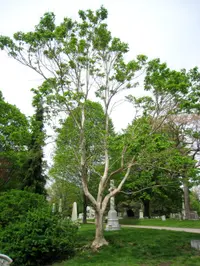
Seven-son flower, Heptacodium miconioides, is a deciduous large shrub or small tree valued for its multi-season interest. It forms a rounded, often multi-stemmed shape with peeling, light-colored bark that stands out in winter.
In late summer it produces clusters of small, fragrant white flowers that attract bees and butterflies, followed by pink to red calyxes that extend the display. It is native to China but is widely grown in temperate gardens as an ornamental feature plant.
This species is generally considered adaptable and not difficult to grow if given sun, moisture-retentive but well-drained soil, and some wind protection. Gardeners who learn how to care for seven-son flower usually find it resilient once established.

Care Difficulty
Easy Care

Light Preference
Full Sun

Water Requirements
Moderate Water

Temperature Preference
Cold Hardy

Hardiness Zone
5–9

Soil Texture
Sandy, Loamy, Clay

Soil pH
Acidic (5.5–6.5), Slightly acidic (6.5–7.0)

Soil Drainage
Moist but well-drained

Fertilization
Minimal (feed rarely)
Scan your plant to receive care tips personalized for your specific plant
Available on iOS and Android
This deciduous shrub thrives in full sun but accepts light shade in many gardens.
This shrub prefers evenly moist, well-drained soil rather than frequent shallow watering.
This hardy shrub tolerates a wide temperature range once established in the landscape.
This species handles a wide humidity range and usually does not need special humidity management outdoors.
Heptacodium miconioides grows best in loose, moderately fertile soil with steady moisture and reliable drainage.
This shrub can be grown in containers for several years, but needs careful attention to stability and root room as it matures.
Heptacodium miconioides benefits from modest feeding on poor soils but often grows well without heavy fertilization.
Pruning Heptacodium miconioides helps maintain structure, clearance, and flower display.
Seven-son flower is most often grown in the ground and only briefly kept in containers.
Heptacodium miconioides is commonly propagated by cuttings and sometimes from seed.
Heptacodium miconioides is generally hardy in much of the US and needs only modest winter care once established.

Plant Health Check
Not sure what's wrong with your plant? Check your plant's health inside the app.
This species flowers very late in the season, typically from late summer into fall, providing abundant nectar and pollen when many other shrubs have finished, so it attracts large numbers of bees, butterflies, and other pollinators.
After the white, fragrant flowers fade, the persistent calyces turn a deep pink to red, so the shrub appears to bloom twice, extending its ornamental interest well into autumn.
Mature plants develop tan to cinnamon-brown bark that exfoliates in thin strips, revealing lighter inner layers and giving the plant strong winter interest even after leaves have dropped.

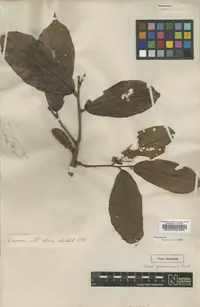
Heptacodium miconioides was unknown to science until it was described in 1916 from Chinese herbarium material and was not introduced to Western horticulture until the 1980s, so it became a widely grown ornamental shrub only very recently compared with many classic garden species.
This species is generally fast-growing, often adding 30–60 cm of height each year once established. Growth is quicker in its first 5–10 years, especially in fertile, moist but well-drained soil and a sunny, sheltered spot.
Keep your plants happy and healthy with plant identification, disease detection, and easy care guidance.