Early form training
In the first 2–3 years, selectively tip‑prune competing leaders and lightly shape the crown so the plant develops a single sturdy trunk and well-spaced main branches that can carry the eventual canopy weight.

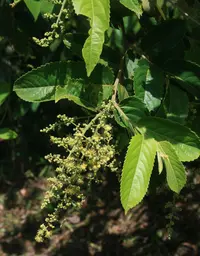
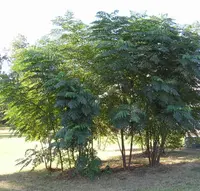
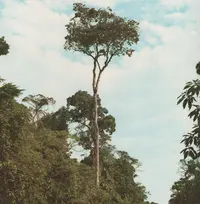
Banara guianensis is a small to medium evergreen tree from tropical South America, often found in lowland forests and along riverbanks. It belongs to humid, warm ecosystems and tends to keep foliage year-round.
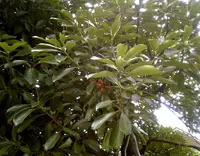
The tree usually has a dense crown with simple green leaves and small, often inconspicuous flowers, followed by modest fruits that attract wildlife. Its natural growth habit is upright and branching, which can make it suitable for larger tropical gardens or restoration plantings.
In cultivation, it is considered a specialty plant, as it prefers consistently warm temperatures, high humidity, and evenly moist but well-drained soil. These needs make care for Banara guianensis easier in tropical or greenhouse conditions than in typical temperate home gardens.

Care Difficulty
Moderate Care

Light Preference
Partial Shade

Water Requirements
Moderate Water

Temperature Preference
Tropical / Frost Sensitive

Hardiness Zone
Unknown

Soil Texture
Loamy, Sandy, Organic-rich

Soil pH
Acidic (5.5–6.5), Slightly acidic (6.5–7.0)

Soil Drainage
Moist but well-drained

Fertilization
Minimal (feed rarely)
Scan your plant to receive care tips personalized for your specific plant
Available on iOS and Android
This tropical tree prefers bright, warm conditions similar to its native lowland forests.
This species prefers evenly moist, well‑drained soil and does not tolerate prolonged drought or flooding.
This tropical species grows best in warm, stable temperatures without exposure to frost.
This species prefers moderately humid air and reacts to extended dryness.
This plant benefits from loose, moist, well-drained soil that stays aerated around the roots.
This species can be grown in containers if the pot supports root depth and stable moisture.
This species is a tropical tree that usually needs only light feeding in cultivation, especially when grown in reasonably fertile soil.
This tree benefits from modest structural pruning to maintain a sound framework and remove weak growth.
This species is typically grown in the ground, so management focuses more on thoughtful transplanting than frequent repotting.
Propagation of this tropical tree is possible but often slow and better suited to patient or experienced growers.
This tropical species is frost-sensitive and requires protective measures in regions with cool or freezing winters.

Plant Health Check
Not sure what's wrong with your plant? Check your plant's health inside the app.
This species typically grows along river margins and seasonally flooded lowland forests in northern South America, showing good adaptation to periodically waterlogged but not permanently swampy soils.
The small, pale flowers are borne in the shaded understory and produce noticeable fragrance, which helps attract insect pollinators in low-light forest environments.
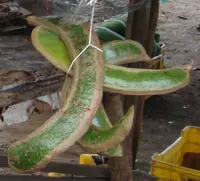
Its fleshy fruits are eaten by local wildlife, including birds and small mammals, which then disperse the seeds across the forest landscape.
This small tree has a moderate growth rate under warm, humid, frost-free conditions. Young plants establish slowly, then put on steadier annual growth once roots are developed and soil moisture is consistent, especially when organic matter and nutrients are adequate.
Keep your plants happy and healthy with plant identification, disease detection, and easy care guidance.