marfim Care (Balfourodendron riedelianum)

marfim

About marfim

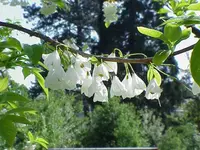
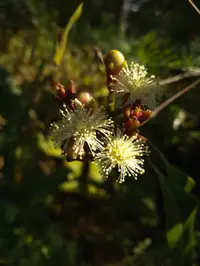
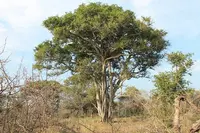
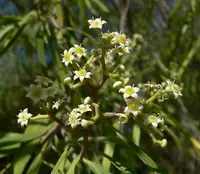
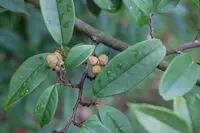
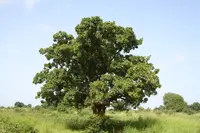
Balfourodendron riedelianum, commonly called marfim, is a medium to large hardwood tree rather than a typical houseplant. It develops a straight trunk, rounded crown, and dense, fine-textured foliage. In nature it occurs in seasonal forests of Brazil, Paraguay, and nearby regions, where it grows in warm, bright conditions. The wood is valued for its pale, uniform color and durability, so the species is often discussed in a forestry context. For home growers, care for marfim is moderately demanding because it needs ample light, space, and consistently warm temperatures. It prefers well-drained soil and steady moisture, making it more practical for larger gardens or outdoor collections in mild climates than for small indoor spaces.

Main Plant Requirements

Care Difficulty

Moderate Care

Light Preference

Full Sun

Water Requirements

Moderate Water

Temperature Preference

Tropical / Frost Sensitive

Hardiness Zone

10–12

Soil Texture

Loamy, Sandy, Organic-rich

Soil pH

Acidic (5.5–6.5), Slightly acidic (6.5–7.0)

Soil Drainage

Well-drained

Fertilization

Minimal (feed rarely)

Get Personalized Care Plan

Scan your plant to receive care tips personalized for your specific plant

Available on iOS and Android

How to Care for the marfim

This species develops best with abundant sun while tolerating some light shade in hot climates.

  • Provide 6–8 hours of direct sun daily, ideally with morning sun and light afternoon shade in hotter regions to reduce leaf scorch risk.
  • Young marfim trees benefit from 30–50% filtered light during their first 1–2 years, then can be gradually exposed to stronger sun.
  • In dense partial shade, expect slower growth, thinner crowns, and sparser foliage; consider selective pruning of nearby plants to increase light in winter.

This tree prefers steadily moist but not saturated soil, especially while establishing.

  • Water when the top 3–5 cm of soil feels dry, applying a deep soak that moistens the full root zone rather than frequent light sprinklings.
  • During hot, dry seasons, increase watering based on soil checks and leaf observation; dull, drooping leaves suggest drought stress, while yellowing and soft new growth suggest excess water.
  • Plant Balfourodendron riedelianum in well‑drained soil or on a slight mound to prevent standing water, root rot, and poor aeration around the roots.

This species is a warm-climate tree that needs protection from frost and prolonged cold.

  • Optimal growth occurs around 70–86°F (21–30°C), with steady warmth supporting faster trunk thickening and canopy development.
  • It tolerates brief drops to about 40°F (4–5°C) but foliage and young shoots can be damaged below this; repeated chills slow growth noticeably.
  • Avoid sites with hard frost or freezing winds, and in very hot areas above 95°F (35°C) provide occasional deep watering and mulch to buffer soil temperature and reduce stress.

This species handles a fairly wide humidity range but grows best with moderately moist air.

  • Aim for 40–60% humidity; typical indoor air is acceptable if watering is consistent.
  • Marfim tolerates short dry-air periods, but prolonged very low humidity can slow growth and increase leaf edge browning.
  • Watch for curling, crispy tips, or stalled new growth as humidity stress signs and respond with grouped plants or a nearby open-top water tray.

This tree prefers deep, well-structured soil that stays evenly moist yet drains freely.

  • Use a loamy mix with 40–60% mineral content (sand and silt) and 20–40% organic matter such as composted bark or leaf mold.
  • Ensure fast drainage by incorporating coarse sand and fine gravel so water does not pool around the roots after heavy watering or rain.
  • Target a slightly acidic to neutral pH around 6.0–7.0 to support balanced nutrient uptake in Balfourodendron riedelianum.
  • Avoid compacted clay, waterlogged spots, or pure sand; improve aeration by working in coarse materials before planting.

This species can be grown in containers for early years, especially in mild climates or as a patio specimen.

  • Choose a tall, heavy pot to provide root depth and prevent the developing woody trunk from making the container tip in wind.
  • Select thicker-walled clay or concrete containers outdoors to moderate root-zone temperature swings and reduce moisture stress.
  • Elevate the pot on feet so drainage holes stay clear and runoff escapes quickly, preventing chronic moisture around the base and roots.

This species grows slowly and often needs only modest feeding in average garden soil, but targeted nutrition supports healthy establishment and canopy growth when growing marfim in managed landscapes.

  • Use a balanced slow-release fertilizer (for example 10-10-10) or well-rotted compost in early spring to support new growth.
  • Apply fertilizer lightly 1–2 times during the growing season, focusing on the root zone rather than the trunk flare.
  • Reduce or stop feeding in late fall and winter, when growth slows and nutrient demand is low.
  • If using liquid fertilizer on young container plants, dilute to 1/2 strength to avoid root burn and flush with clear water periodically.

Balfourodendron riedelianum benefits from light structural pruning to maintain a stable framework and remove weak material.

  • Carry out main pruning in late winter or very early spring, before active growth starts.
  • Remove dead, diseased, crossing, or storm-damaged branches with clean, sharp bypass pruners or a fine-toothed saw.
  • Thin crowded interior branches slightly to improve light penetration and airflow without over-opening the canopy.
  • Limit cuts on mature trees to small and medium branches, leaving major structural limbs intact to reduce stress.

This tree is seldom kept long-term in containers, so care focuses on timely transplanting from nursery pots into a permanent ground position.

  • Plan planting or transplanting for mild weather in early spring or early fall to reduce heat and drought stress.
  • Transplant when roots circle the container, emerge from drainage holes, or when top growth stalls despite good care.
  • Slide the root ball out gently, loosen or cut circling roots, and set the tree at the same soil depth as in the pot.
  • Water deeply after planting, apply a 5–8 cm mulch ring around but not touching the trunk, and keep soil evenly moist while roots establish.

This species is usually propagated from seeds under controlled conditions, as vegetative methods are less reliable and slower.

  • Collect ripe seeds from mature trees, clean them, and sow fresh for better germination.
  • Use a well-drained sterile seed mix, keep temperature around 70–80°F, and maintain consistent but not waterlogged moisture.
  • Provide bright, indirect light and good air circulation to limit fungal problems during germination and early seedling stages.
  • Transplant seedlings carefully into individual containers once they develop several true leaves and a firm root system.

This subtropical tree has low frost tolerance and needs thoughtful winter care in cooler regions.

  • In USDA zones colder than its tolerance, grow in containers and move under cover before temperatures approach 32°F.
  • Mulch the root zone with 5–8 cm of organic material to buffer short cold spells and soil temperature swings.
  • Shelter young trees from cold winds using windbreaks or temporary barriers, which reduce desiccation and bark injury.

Care Tips

Early form training

During the first 3–5 years, select one strong central leader and remove competing upright shoots annually to develop a straight, stable trunk suitable for long-term landscape or timber use.


Structural wind protection

In open or windy sites, use 2–3 sturdy stakes positioned outside the root ball and attached with soft, flexible ties for only the first 1–2 years to prevent trunk wobble while still allowing slight movement that encourages strong wood formation.

Root zone mulching

Apply a 5–8 cm layer of coarse organic mulch in a wide ring well beyond the young tree’s dripline, keeping it 5–10 cm away from the trunk, to stabilize soil moisture, limit weed competition, and promote fine root development.

Gradual field acclimation

When moving nursery-grown specimens to harsher field conditions, harden them off over 2–3 weeks by slowly increasing light, wind exposure, and reduced irrigation to lower transplant shock and increase survival rates when growing marfim.

Regular trunk inspection

Inspect the trunk and main scaffolds at least twice per year for bark damage, cankers, or borers, and promptly remove affected twigs or branches with clean tools to prevent structural weakness as the tree matures.

Common Pests and Diseases

Leaf-cutting ants

These insects remove circular or irregular pieces of leaves and carry them away to their nests, often defoliating young trees quickly. Symptoms include thinning canopies, scalloped leaf edges, and rapid loss of new flushes of foliage.

Solution

Locate the nest and use ant baits or targeted ant-control products labeled for leaf-cutters, following local regulations and label directions. Protect young plants with physical barriers around the trunk and monitor new plantings frequently, especially during warm, humid periods when ant activity is high.

Shoot-boring beetles

This pest tunnels into young shoots and small branches, causing wilting, dieback of shoot tips, and occasionally breakage at weakened points. Small entry holes and frass (sawdust-like material) may be visible on affected stems.

Solution

Prune and destroy infested shoots and small branches as soon as damage is noticed to remove larvae before they spread. Maintain good tree vigor through proper watering and balanced fertilization, and avoid leaving fresh pruning debris or stacked logs nearby, which can attract adult beetles.

Cylindrocladium leaf spot

This disease causes small brown to dark spots on leaves that may expand, coalesce, and lead to premature leaf drop, particularly in humid, poorly ventilated conditions. Symptoms include thinning foliage and a general decline in canopy density on young plants or nursery stock.

Solution

Remove and discard heavily infected leaves and any fallen leaf litter around the base of the tree to reduce inoculum. Improve spacing and airflow, avoid overhead irrigation on nursery or container plants, and if needed use a fungicide labeled for Cylindrocladium leaf spots, applied according to local guidelines.

Powdery mildew

This disease appears as white to gray powdery patches on young leaves and shoots, which can lead to leaf distortion, reduced growth, and premature yellowing. Symptoms include a dull, dusty appearance on the upper leaf surface, especially in shaded, humid sites with poor air circulation.

Solution

Increase light and airflow by pruning congested branches and avoiding overcrowding with nearby plants, and remove the most affected leaves to slow spread. For young or high-value trees, apply a suitable sulfur or potassium bicarbonate-based fungicide during initial infection periods, following label directions and avoiding treatment during very hot weather.

Scale insects

These insects attach to twigs and leaves as small, immobile bumps and feed on plant sap, which can cause leaf yellowing, reduced vigor, and sticky honeydew that may encourage sooty mold growth. This pest is most problematic on stressed or container-grown plants kept in low airflow conditions.

Solution

Wipe or gently scrub small infestations from twigs and leaves with a cloth or soft brush dipped in soapy water, then rinse thoroughly. For heavier infestations, apply a horticultural oil or insecticidal soap, ensuring thorough coverage of stems and leaf undersides, and repeat as needed according to product directions.

Interesting Facts

Endangered Atlantic Forest tree

This species is native to the South American Atlantic Forest, where extensive habitat loss from agriculture and urbanization has led to local population declines and conservation concern in parts of its range.

Highly valued timber

The wood, known as marfim, is pale, hard, and fine-textured, and has been historically sought after for high-quality furniture, flooring, and interior finishings due to its durability and attractive appearance.

Slow, tall canopy former

In natural conditions this species grows slowly but can eventually form tall, straight trunks that contribute to the upper canopy layer of mature Atlantic Forest stands, providing structural habitat for epiphytes and animals.

Botan icon

Did you know?

The genus Balfourodendron is monotypic, meaning Balfourodendron riedelianum is the only species in the genus, which makes its conservation biologically important because losing it would also eliminate an entire evolutionary lineage.

FAQs about marfim

This tree has a moderate growth rate, often adding 30–60 cm in height per year when young. In suitable outdoor conditions it can eventually reach 10–20 m tall with a relatively straight trunk.

Grow Healthy Plants with Botan Care

Keep your plants happy and healthy with plant identification, disease detection, and easy care guidance.

Botan plant care app — identify plants on mobile

Explore More Plants