Shelter From Wind
Site the plant where it is protected from strong, drying winds, using a fence or taller shrubs as a windbreak to prevent leaf scorch and branch dieback.

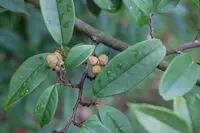
Sycopsis sinensis, often called Chinese sycopsis, is an evergreen shrub or small tree from the witch-hazel family. It naturally occurs in woodland and mountain regions of China. The plant forms a dense, rounded crown with leathery, glossy green leaves and small, clustered flowers that add subtle interest rather than showy color. Growth is generally slow to moderate, with a sturdy, bushy habit that suits larger gardens and sheltered landscapes. It is considered relatively easy to grow where winters are mild, especially in sites with partial shade, evenly moist soil, and good drainage. Gardeners who learn how to care for Sycopsis sinensis usually find it a long-lived, low-maintenance structural plant.

Care Difficulty
Moderate Care

Light Preference
Partial Shade

Water Requirements
Moderate Water

Temperature Preference
Warm Climate

Hardiness Zone
7–9

Soil Texture
Loamy, Sandy, Organic-rich

Soil pH
Acidic (5.5–6.5)

Soil Drainage
Moist but well-drained

Fertilization
Minimal (feed rarely)
Scan your plant to receive care tips personalized for your specific plant
Available on iOS and Android
This evergreen shrub prefers bright conditions with some protection from intense midday sun.
This shrub prefers evenly moist, well-drained soil rather than constant wetness or complete drying.
This species prefers mild, temperate conditions and does not tolerate extreme cold or heat well.
This shrub handles a wide humidity range but grows best with moderately moist air.
This species prefers a moist, well-structured mineral-organic soil that drains freely yet retains some moisture.
This shrub can be grown in containers, especially in cooler regions or where garden space is limited.
This slow-growing evergreen shrub or small tree benefits from light, measured feeding rather than heavy fertilization.
This plant generally needs only light structural pruning to maintain a natural, tidy outline.
This species is usually grown in the ground, so focus on careful transplanting rather than frequent repotting.
Propagation of this shrub is possible but tends to be slow and better suited to patient growers or nurseries.
This broadleaf evergreen is generally hardy in mild to moderate climates but benefits from some winter protection in colder areas.

Plant Health Check
Not sure what's wrong with your plant? Check your plant's health inside the app.
Sycopsis sinensis is an evergreen member of the witch hazel family (Hamamelidaceae), unlike the familiar temperate witch hazels that are mostly deciduous. It keeps its thick, glossy leaves year-round in its native habitats in China and Taiwan.
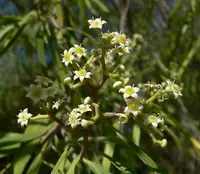
The flowers are arranged in dense pairs on very short stalks along the branches, each with bright red to orange stamens that provide most of the color. The petals are reduced and inconspicuous, so the showy stamens are the main visual feature during bloom.
After flowering, this species forms hard, woody capsule fruits that mature slowly and split open to release seeds. The capsules often remain visible on the plant for a long period, adding a subtle textural feature to the branches.

In its native range, Sycopsis sinensis often grows as a component of subtropical evergreen broadleaf forests on acidic, well-drained mountain slopes, where its dense branching and persistent foliage help stabilize understory structure and provide cover for small wildlife.
This species is a broadleaf evergreen, so it holds foliage year-round in mild climates. Older leaves shed gradually as new ones form, giving a constant leafy appearance rather than a bare winter phase.
Keep your plants happy and healthy with plant identification, disease detection, and easy care guidance.