Leaf-litter mulching
Maintain a thin, 2–3 cm layer of shredded oak or pine leaves around the plant to mimic its woodland duff, keeping roots cool and moist while slowly improving the acidic surface layer without disturbing the shallow root system.

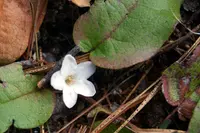
Trailing arbutus (Epigaea repens) is a low, creeping evergreen shrub native to dry, acidic woodlands in eastern North America. It forms dense mats of leathery, oval leaves close to the ground. In early spring it produces clusters of small, pale pink to white, fragrant flowers that often appear at the edge of receding snow. The plant grows slowly and dislikes root disturbance, which makes it more challenging to establish in gardens. It prefers cool, dappled woodland conditions, moist but well-drained acidic soil, and protection from heat and compaction. Gardeners who care for trailing arbutus need patience, stable conditions, and careful site selection.

Care Difficulty
Hard Care

Light Preference
Partial Shade

Water Requirements
Keep Soil Moist

Temperature Preference
Cold Hardy

Hardiness Zone
3–7

Soil Texture
Loamy, Sandy, Organic-rich

Soil pH
Strongly acidic (4.5–5.5)

Soil Drainage
Moist but well-drained

Fertilization
Minimal (feed rarely)
Scan your plant to receive care tips personalized for your specific plant
Available on iOS and Android
Epigaea repens prefers cool, woodland-style light with protection from harsh sun.
This woodland shrub favors consistently moist but not saturated soil around its shallow roots.
This species is adapted to cool temperate climates and dislikes extreme heat or sudden temperature swings.
This species prefers cool, moist air but usually manages in typical outdoor humidity where it naturally grows.
This slow, shallow-rooted subshrub needs a loose, acidic, humus-rich substrate similar to a pine forest floor.
This plant can be grown in low, wide containers outdoors if its shallow, fibrous roots and moisture needs are carefully managed.
Epigaea repens is a low-feeding woodland shrub that benefits from very light nutrition in cultivation.
Epigaea repens needs minimal pruning, mainly to maintain health and low, natural form.
This woodland groundcover dislikes disturbance, so transplant Epigaea repens only when clearly necessary.
Epigaea repens is slow and somewhat challenging to propagate, so it is not commonly multiplied at home.
This species is generally cold hardy in its native range and needs only modest winter care in the ground.

Plant Health Check
Not sure what's wrong with your plant? Check your plant's health inside the app.
This species often flowers very early in spring, sometimes while snow is still on the ground, providing one of the first nectar sources for emerging native bees in its range.
The roots form mycorrhizal associations, a partnership with soil fungi that help the plant obtain nutrients in the nutrient-poor, acidic forest soils where it naturally grows.
Trailing arbutus tends to establish in long-undisturbed, mature forests on well-drained, acidic soils, so its presence can indicate relatively stable, older woodland habitat.

In parts of eastern North America, trailing arbutus became a historically cherished spring wildflower and was chosen as the state flower of both Massachusetts and New Hampshire, reflecting its long cultural association with early spring in regional folklore and literature.
Lack of flowers usually comes from planting in soil that is too alkaline, too dry, or too compacted. Light disturbance of surrounding leaf litter and maintaining consistently cool, moist, acidic conditions often restores blooming over several seasons.
Keep your plants happy and healthy with plant identification, disease detection, and easy care guidance.