Cyanotis cristata Care

Cyanotis cristata

About Cyanotis cristata

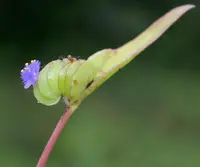
Cyanotis cristata, often called creeping crassula or furry kitten ear, is a low, spreading ornamental from tropical Asia and Africa. It belongs to the spiderwort family and is grown mainly for its fuzzy, blue‑green foliage and small violet flowers. The plant forms mats or trailing stems, which makes it suitable for hanging baskets, shallow pots, or as a warm-climate groundcover. It prefers bright light, moderate moisture, and a free-draining, slightly sandy substrate. Cyanotis cristata is generally considered easy to manage for indoor growers, as long as excess water is avoided and light is sufficient. For anyone learning how to care for Cyanotis cristata, its compact size and forgiving nature make it a practical choice.

Main Plant Requirements

Care Difficulty

Easy Care

Light Preference

Bright Indirect Light

Water Requirements

Moderate Water

Temperature Preference

Tropical / Frost Sensitive

Hardiness Zone

10–11

Soil Texture

Loamy, Sandy, Organic-rich

Soil pH

Acidic (5.5–6.5), Slightly acidic (6.5–7.0)

Soil Drainage

Well-drained

Fertilization

Light (every 4–6 weeks)

Get Personalized Care Plan

Scan your plant to receive care tips personalized for your specific plant

Available on iOS and Android

How to Care for the Cyanotis cristata

This trailing plant prefers bright, gentle light that mimics its native understory conditions.

  • Provide 3–5 hours of soft morning sun with bright, filtered light the rest of the day; avoid harsh midday sun that can scorch leaves and fade color.
  • Plant in a spot with dappled shade or light shade; it tolerates partial shade but may become sparse or leggy in very dim positions.
  • In summer, protect from intense west-facing exposure; in winter, move closer to bright windows or open canopy to compensate for shorter days and weaker light.

Watering should keep the root zone lightly moist but never saturated.

  • Allow the top 2–3 cm of soil to dry before watering again; use your finger to check rather than following a fixed schedule.
  • Use a free-draining mix so water runs through within a few seconds; standing water around roots increases risk of rot and limp, yellowing stems.
  • In active growth, expect more frequent watering, then reduce in cooler months when growth slows and soil stays moist longer; crisp, curling leaves indicate underwatering.

This species prefers warm, stable conditions without frost or extreme heat swings.

  • Aim for 65–80°F (18–27°C) for best growth; it remains comfortable in typical warm-season outdoor conditions in mild climates.
  • Protect from temperatures below 50°F (10°C); brief dips may stunt growth, and frost can kill foliage and stems back to the roots.
  • In hot spells above 90°F (32°C), provide shade and extra airflow to reduce heat stress and leaf scorch, especially in exposed, sunlit positions.

This species prefers moderately humid air but usually adapts to typical home conditions.

  • Aim for 40–60% humidity; avoid very arid rooms with constant hot drafts.
  • Tolerates short dry spells, but crispy leaf tips, dull foliage, and slowed growth indicate humidity stress.
  • Increase humidity by grouping plants, placing the pot on a pebble tray with water, or running a small humidifier nearby.

Cyanotis cristata grows best in a loose, fast-draining, organic-rich substrate.

  • Use a mix of roughly 2 parts all-purpose potting mix, 1 part perlite or pumice, and 1 part fine bark or coarse sand for structure.
  • Aim for slightly acidic to neutral pH, roughly 6.0–7.0, which supports balanced nutrient uptake.
  • Ensure water drains through within seconds, leaving the mix moist but never waterlogged, to protect roots from rot.
  • Avoid heavy garden soil, dense clay-based mixes, or containers where water lingers around the roots for hours.

This species is well suited to container growing due to its compact, trailing habit.

  • Choose a shallow, wide pot to let stems trail over the rim while keeping the root zone evenly moist without deep, wet pockets.
  • Opt for a breathable material such as terracotta if the mix stays wet for too long, as it allows faster evaporation from the sides.
  • Place the container where runoff can drain freely and empty saucers promptly so roots are not exposed to standing water.

This trailing plant responds well to light, consistent feeding during the warm growing season.

  • Use a balanced liquid fertilizer around 10-10-10 or 20-20-20, diluted to 1/4–1/2 strength for Cyanotis cristata.
  • Feed every 3–4 weeks in spring and summer when growth is active.
  • Skip or reduce feeding to once in 8–10 weeks during fall and winter.
  • Flush the pot with plain water every 4–6 weeks to reduce salt buildup.

Pruning maintains a compact, full habit and encourages fresh growth.

  • In late winter or early spring, trim back leggy or overly long stems to shape the plant.
  • Remove dead, yellowing, or damaged foliage with clean, sharp scissors or small pruning shears.
  • Pinch soft stem tips during the growing season to promote branching and denser foliage on Cyanotis cristata.
  • Discard pruned material rather than composting if pest or disease issues are present.

Repotting supports root health and sustained growth in containers.

  • Check for roots circling the pot, pushing through drainage holes, or slowed growth as signs Cyanotis cristata needs a larger container.
  • Plan repotting for spring, every 2–3 years, when active growth helps recovery.
  • Move up only 2–5 cm in pot diameter, using a free-draining mix, to prevent waterlogging.
  • Water thoroughly after repotting, then keep slightly drier for 3–5 days to limit root stress and promote new growth.

This species is commonly multiplied by stem cuttings and division.

  • Take 5–8 cm soft stem cuttings in spring or early summer, including at least 2 nodes.
  • Place cuttings in moist, free-draining mix under bright, indirect light at 70–80°F for rooting.
  • Keep humidity moderate to high while avoiding waterlogged conditions to prevent rot in Cyanotis cristata cuttings.
  • Divide mature, crowded clumps in spring, replanting sections promptly and watering gently.

This plant is frost-sensitive and needs protection in cooler climates.

  • Move container-grown Cyanotis cristata indoors before temperatures drop below 50°F.
  • Provide bright, indirect light and slightly drier soil during winter to reduce stress.
  • Avoid cold drafts and sudden temperature swings near windows or doors.
  • In mild climates, use a light mulch layer outdoors to buffer brief cool spells without keeping soil soggy.

Care Tips

Encourage Compact Growth

Pinch back soft stem tips every 4–6 weeks during active growth to keep the plant dense, prevent legginess, and stimulate branching along the trailing stems.

Refresh Overgrown Baskets

Every 1–2 years, lift and replant only the healthiest outer 5–8 cm of stem sections into fresh mix to rejuvenate tired, woody center growth and restore a full, even cascade.

Use Bottom-Up Training

When planting in a hanging basket, loop a few young stems over the soil surface and lightly pin them down with plant clips so they root along the nodes and create a thicker, more uniform mat.

Monitor Fuzz For Pests

Inspect the hairy leaves and stems under bright indirect light every few weeks because the fine hairs can hide early infestations of spider mites or mealybugs, and treat promptly with a targeted insecticidal soap if needed.

Seasonal Light Adjustment

In winter, move the plant slightly closer to the window or clean window glass and dust leaves to maximize light capture, which helps maintain color and vigor when growing Cyanotis cristata in shorter-day conditions.

Common Pests and Diseases

Spider mites

This pest causes fine speckling on leaves, dulling of the blue-violet leaf hairs, and very fine webbing along stems and leaf undersides.

Solution

Rinse foliage thoroughly with lukewarm water, focusing on leaf undersides, then allow the plant to dry with good airflow; repeat every few days until no mites are visible. For persistent infestations, use a dilute insecticidal soap or horticultural oil, applied in the evening and kept off flowers as much as possible.

Mealybugs

These insects appear as small white cottony clusters in leaf axils and along the trailing stems, often causing stunted growth and sticky honeydew on nearby surfaces.

Solution

Isolate the plant, then dab visible clusters with cotton swabs dipped in 70% isopropyl alcohol and gently wipe affected areas. Follow up with a light spray of insecticidal soap every 7–10 days until new growth appears clean and no further insects are seen.

Aphids

These insects cluster on tender shoot tips and new leaves, sucking sap and leaving foliage distorted, curled, or sticky from honeydew deposits.

Solution

Shower the plant with a firm but gentle stream of water to dislodge colonies, then prune heavily infested soft tips if needed. If aphids return, apply insecticidal soap to all soft tissue, repeating at 5–7 day intervals while monitoring new growth closely as part of Cyanotis cristata care instructions.

Botrytis blight

This disease produces soft, water-soaked patches on leaves or stems that quickly develop gray, fuzzy mold, especially in dense or poorly ventilated growth.

Solution

Remove and discard all affected stems and leaves, then improve airflow and reduce overhead watering so foliage dries quickly. In severe or recurring cases, thin the plant, avoid crowding with other pots, and consider a labeled fungicide spray applied according to product directions.

Bacterial leaf spot

Symptoms include small, dark, water-soaked spots on leaves that may enlarge, merge, and cause localized yellowing around the lesions in warm, humid conditions.

Solution

Promptly remove and discard spotted leaves, avoid splashing water onto foliage, and water at the soil level in the morning so surfaces dry quickly. Improve spacing and airflow; if spread continues, propagate healthy, symptom-free cuttings and discard the most affected mother plant to prevent ongoing infection.

Interesting Facts

Velvety leaf hairs

The leaves and stems are densely covered with fine hairs that give the plant a soft, velvety texture and help reduce water loss by trapping a thin layer of still air around the surface.

Crepuscular blooming habit

Its small blue to violet flowers often open in the early morning or late afternoon, a pattern that aligns with cooler parts of the day and likely supports pollination by insects active at those times.

Short-lived individual blooms

Each flower typically lasts only a short time, often less than a day, but the plant produces many buds over time, so flowering can appear extended even though individual blooms are brief.

FAQs about Cyanotis cristata

This species does well both indoors and outdoors if protected from frost. Indoors it prefers bright light and good airflow. Outdoors it suits mild, frost-free climates, sheltered from heavy rain and strong midday sun.

Grow Healthy Plants with Botan Care

Keep your plants happy and healthy with plant identification, disease detection, and easy care guidance.

Botan plant care app — identify plants on mobile

Explore More Plants