cotoneaster Care (Cotoneaster multiflorus)

Also known as: Many-flowered Cotoneaster
cotoneaster

About cotoneaster

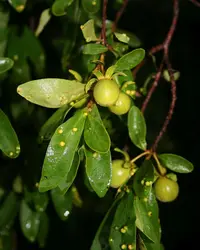
Cotoneaster multiflorus, commonly called many-flowered cotoneaster, is a deciduous shrub grown mainly for its heavy spring blossom and decorative fruits. It forms an upright, arching framework with small green leaves that turn attractive colors in autumn.

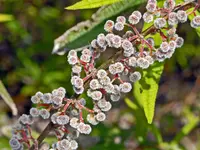
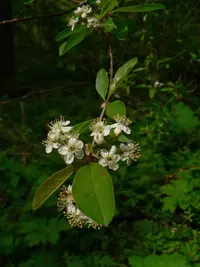
In late spring it carries masses of white to pale pink flowers, followed by abundant red berries that stand out in fall and early winter. This species is native to parts of Central and Western Asia and is often used in larger gardens, parks, and naturalistic plantings.

It is generally robust and cold-hardy, coping with a range of soils if drainage is good and light is at least moderately bright. These traits make it relatively straightforward to care for cotoneaster in suitable outdoor conditions.

Main Plant Requirements

Care Difficulty

Easy Care

Light Preference

Full Sun

Water Requirements

Moderate Water

Temperature Preference

Cold Hardy

Hardiness Zone

4–7

Soil Texture

Sandy, Loamy, Clay

Soil pH

Slightly acidic (6.5–7.0), Slightly alkaline (7.0–7.5)

Soil Drainage

Well-drained

Fertilization

Minimal (feed rarely)

Get Personalized Care Plan

Scan your plant to receive care tips personalized for your specific plant

Available on iOS and Android

How to Care for the cotoneaster

This deciduous shrub favors bright, open positions for dense growth and reliable flowering.

  • Provide full sun for 6–8 hours daily; light afternoon shade is helpful in hotter regions to reduce leaf scorch.
  • Tolerates light partial shade, but flowering and berry set decline if it receives under 4–5 hours of direct sun.
  • Plant in an unshaded spot with open sky exposure; in summer, monitor for pale leaves or leggy shoots as signs of insufficient light for cotoneaster.

This shrub prefers evenly moist but not saturated soil once established in the landscape.

  • Allow the top 3–5 cm of soil to dry before deep watering; soil should feel dry at the surface but still slightly cool underneath.
  • Increase watering during the first 1–2 growing seasons and in hot, dry spells, then reduce once Cotoneaster multiflorus is well rooted.
  • Ensure sharply drained soil; yellowing, soft leaves suggest overwatering, while crispy leaf edges and premature leaf drop indicate drought stress.

This hardy shrub tolerates a wide temperature range in temperate climates.

  • Optimal growth occurs around 60–75°F (16–24°C) during the main growing season, supporting strong shoot and root development.
  • Mature plants tolerate winter lows near -20°F (-29°C) when fully dormant, especially with mulched roots and good air drainage.
  • Handles summer heat up to about 90°F (32°C) if soil moisture is maintained; extended hotter periods may require shade from reflected or radiated heat.

This shrub tolerates a wide humidity range and usually needs no special humidity management outdoors.

This shrub prefers moderately fertile, well-drained mineral soil that does not stay waterlogged.

  • Use a loamy or sandy-loam soil with some organic matter to support even moisture without saturation.
  • Aim for slightly acidic to neutral pH, around 6.0–7.5, which suits Cotoneaster multiflorus root function.
  • Improve drainage and aeration by mixing in coarse sand or fine gravel at 20–30% of the volume on heavy sites.
  • Avoid compacted clay, standing water, or thick, peat-heavy mixes that stay wet and restrict root oxygen.

This species can be grown in containers, though it is more naturally suited to open ground.

  • Choose a deep, heavy pot to counterbalance the shrub’s woody top growth and reduce tipping in wind.
  • Use a sharply draining mix, such as 60% loam-based compost with 40% grit or bark, to prevent soggy roots.
  • Elevate the container slightly on feet or bricks so drainage holes stay clear and excess water exits quickly.

This shrub grows well in average soil and benefits from light, targeted feeding rather than heavy fertilization.

  • Apply a balanced slow-release fertilizer (around 10-10-10) once in early spring as new growth starts.
  • Use a light rate, at about half the label recommendation, to avoid overly soft growth and nutrient runoff.
  • Supplement with a thin layer of compost over the root zone in spring to improve soil structure and biology.
  • Avoid feeding Cotoneaster multiflorus in late fall or winter, when the plant is dormant and not using nutrients.

Pruning keeps Cotoneaster multiflorus healthy, controls size, and maintains a balanced framework of branches.

  • Carry out main pruning in late winter or very early spring before buds open, so cuts heal quickly.
  • Remove dead, diseased, crossing, or inward-growing branches first to improve airflow and light penetration.
  • Shorten or thin overly vigorous shoots to maintain the natural arching shape without creating harsh lines.
  • Use sharp bypass pruners or loppers and make clean cuts just above a bud or branch junction to reduce damage.

This species is usually grown in the ground, so focus on thoughtful transplanting rather than frequent repotting.

  • Transplant in early spring or early fall, when temperatures are mild and soil moisture is steady.
  • Look for signs like poor vigor, roots circling the planting hole, or a shrub clearly outgrowing its space.
  • Dig a wide hole, keeping as much of the root ball intact as possible, and replant at the same soil depth.
  • Water deeply after moving, then keep soil evenly moist for several weeks to limit transplant shock and support new root growth.

Cotoneaster multiflorus is most often propagated from semi-ripe cuttings or by seed, depending on the grower’s goals.

  • Take semi-ripe stem cuttings in mid to late summer, 8–12 cm long, from non-flowering shoots.
  • Remove lower leaves, dip the cut end in rooting hormone, and place in a free-draining mix under bright, indirect light.
  • Keep the medium just moist and maintain moderate humidity and warmth (around 65–75°F) to encourage rooting.
  • For seeds, sow cleaned, stratified seed in trays with well-drained mix, then keep cool and lightly moist until germination.

This shrub is cold hardy in much of its range and usually requires only minimal winter attention.

  • Mulch the root zone in late fall with 5–8 cm of bark or leaf mold, keeping mulch slightly away from stems.
  • In very exposed sites, use a windbreak or shrub cover to limit desiccation and branch damage from drying winds.
  • Container-grown plants benefit from moving to a sheltered, unheated but frost-free or slightly protected area for winter.

Care Tips

Wind and snow support

In windy or snowy regions, use low, unobtrusive stakes or a simple shrub frame to support young branches so heavy wet snow or strong gusts do not splay or break the arching structure.


Fruit load management

If branches bend heavily under fruit in late summer to fall, selectively thin some berries by hand along overloaded stems to reduce breakage and maintain a balanced outline.

Targeted rejuvenation cuts

Every few years, remove 1–3 of the oldest stems at ground level in late winter to stimulate strong new basal shoots and keep the shrub dense from the base instead of only shearing the top.

Mulch for root stability

Apply a 5–8 cm layer of coarse organic mulch in a wide ring around the plant (kept a few cm off the stems) to buffer soil temperature, protect shallow roots from frost heave, and reduce weed competition.

Sanitation for disease control

Rake up and dispose of fallen leaves and mummified berries in autumn, and prune out any dead or cankered twigs back into healthy wood to lower the risk of fungal issues when growing cotoneaster.

Everything About cotoneaster

Common Pests and Diseases

Fire blight

This disease causes rapid blackening and wilting of shoots, flowers, and sometimes entire branches, which look scorched. Symptoms include shepherd’s crook–shaped shoot tips and blackened, shriveled leaves that cling to the stems.

Solution

Prune out infected shoots at least 20–30 cm below visible damage during dry weather, disinfecting tools between each cut with 70% alcohol or a 10% bleach solution. Avoid heavy nitrogen fertilization, remove mummified fruit and dead wood, improve air circulation around the shrub, and consult local extension services about registered copper or antibiotic sprays if fire blight is recurrent in the area.

Cotoneaster webworm

This pest tunnels in stems and feeds on leaves, often tying foliage together with webbing and causing dieback of shoot tips. Symptoms include small entry holes in stems, browning leaves, and thin silken webs with frass (insect droppings).

Solution

Prune and destroy infested shoots as soon as webbing or dieback is noticed, cutting below any hollow or browned pith in the stem. Encourage natural predators by limiting broad-spectrum insecticides, and in heavy infestations consider a targeted treatment with Bacillus thuringiensis (Bt) or a selective insecticide timed for young larvae in spring, following local cotoneaster care instructions.

Hawthorn lace bug

These insects feed on the underside of leaves, causing fine yellow or white stippling that can progress to bronzing and early leaf drop. This pest leaves dark tar-like spots (excrement) on leaf undersides.

Solution

Spray leaf undersides with a strong stream of water to dislodge nymphs, and remove heavily affected leaves or small twigs to reduce populations. Improve plant vigor with proper watering and mulching, and if needed apply insecticidal soap or horticultural oil to leaf undersides in late spring and early summer, ensuring thorough coverage.

Aphids

These insects cluster on soft new growth and undersides of leaves, sucking sap and causing curling, distortion, and sticky honeydew that can lead to sooty mold. This pest can also weaken flower and fruit production on ornamental shrubs like Cotoneaster multiflorus.

Solution

Wash colonies off young shoots and leaf undersides with a firm water spray, repeating every few days during active outbreaks. Encourage beneficial insects such as lady beetles, pinch back heavily infested shoot tips, and use insecticidal soap or horticultural oil on persistent colonies, covering all plant surfaces thoroughly.

Powdery mildew

This disease appears as white or gray powdery patches on leaves and young stems, which can lead to leaf distortion, yellowing, and premature leaf drop in humid but not overly wet conditions. Symptoms include affected leaves that may curl slightly and look dull or dusty.

Solution

Prune to open the canopy and improve air flow, and remove and discard badly infected leaves away from the garden. Water at the base rather than overhead, avoid excess nitrogen, and use a labeled fungicide such as sulfur or a systemic product if mildew recurs, applying preventively at the first sign of symptoms in late spring or early summer.

Interesting Facts

Showy spring blossom

This species produces dense clusters of white, five-petaled flowers along almost every shoot in mid to late spring, creating a striking arching spray effect that is much more profuse than in many other cotoneasters.

Heavy bird-dispersed fruiting

After flowering, it forms abundant small red pomes that persist into autumn and are readily eaten and dispersed by thrushes and other birds, which helps explain its ability to naturalize far from planting sites.

Cold-tolerant shrub form

Native to temperate and montane regions of Central Asia, it tolerates harsh winters and is fully deciduous, dropping its leaves after displaying orange to red fall color rather than remaining semi-evergreen like some related species.

Botan icon

Did you know?

Cotoneaster multiflorus is valued by horticulturists as a parent species in breeding programs for ornamental shrubs, because its combination of heavy flowering, abundant fruit set, and cold hardiness can be passed to hybrid offspring.

FAQs about cotoneaster

Poor flowering often comes from heavy pruning at the wrong time, excess shade, or nutrient imbalance. Avoid cutting new shoots after flowering, maintain full sun, and use a balanced, low-nitrogen fertilizer to support reliable bud formation.

Grow Healthy Plants with Botan Care

Keep your plants happy and healthy with plant identification, disease detection, and easy care guidance.

Botan plant care app — identify plants on mobile

Explore More Plants