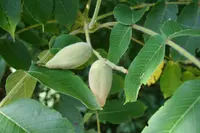
Bush nightfighter Care (Dracaena steudneri)

Also known as: Northern Largeleaf Dragon Tree
Bush nightfighter

About Bush nightfighter

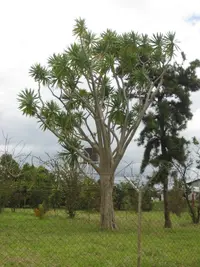
Bush nightfighter, Dracaena steudneri, is a woody evergreen shrub or small tree from tropical Africa. It often forms sturdy cane-like stems topped with dense rosettes of leaves. The leaves are usually long, strap-shaped, and deep green, giving a strong vertical accent in indoor or sheltered outdoor plantings.

In nature it grows in warm, humid forests and upland areas, where light is bright but filtered by taller vegetation. This background explains its preference for bright, indirect light, moderate watering, and freely draining soil.

Its robust structure and tolerance of lower light than many shrubs make it relatively forgiving for indoor growers. Those learning how to care for Bush nightfighter often appreciate its steady growth and architectural form when basic needs are met.

Main Plant Requirements

Care Difficulty

Moderate Care

Light Preference

Bright Indirect Light

Water Requirements

Moderate Water

Temperature Preference

Tropical / Frost Sensitive

Hardiness Zone

11–12

Soil Texture

Loamy, Sandy, Organic-rich

Soil pH

Acidic (5.5–6.5), Slightly acidic (6.5–7.0)

Soil Drainage

Moist but well-drained

Fertilization

Light (every 4–6 weeks)

Get Personalized Care Plan

Scan your plant to receive care tips personalized for your specific plant

Available on iOS and Android

How to Care for the Bush nightfighter

Dracaena steudneri prefers bright, indirect light that mimics light woodland shade.

  • Provide 4–6 hours of filtered light daily, such as dappled shade under taller plants or sheer-curtained windows for Bush nightfighter indoor care.
  • Tolerates partial shade but growth slows; if leaves lose variegation or become sparse, move it slightly closer to the light source.
  • Avoid harsh midday and afternoon sun, especially in summer, which can scorch leaves; morning sun until about 10–11 a.m. is usually safe.

Water Dracaena steudneri to keep the root zone lightly moist but never saturated.

  • Let the top 3–5 cm of soil dry before watering; use your finger to check rather than following a fixed schedule.
  • Reduce watering in cooler months when growth slows, but do not allow the root ball to dry out completely for long periods.
  • Watch for yellowing, soft leaves or a sour soil smell as signs of overwatering, and crisp brown leaf edges as a sign of underwatering or very dry soil.

This species prefers warm, stable temperatures with no frost exposure.

  • Aim for 65–80°F (18–27°C) for steady growth, similar to warm, humid woodland conditions.
  • Protect the plant from temperatures below 50°F (10°C); short drops to 45°F (7°C) may be survived but can slow growth and cause leaf damage.
  • Tolerates short heat up to about 90°F (32°C) if humidity is moderate and soil does not dry out completely, but avoid hot, dry drafty spots.

This species manages well in typical indoor humidity but benefits from slightly moist air.

  • Aim for 40–60% humidity to reduce leaf browning on Bush nightfighter.
  • It tolerates short periods of drier air, but prolonged levels below 30% can cause crispy tips and edges.
  • Increase humidity by grouping plants, using a nearby humidifier, or placing the pot on a pebble tray above, not in, water.

Dracaena steudneri prefers a loose, airy mix that drains freely yet holds some moisture.

  • Use a base of peat or coco coir with added perlite and pine bark to create a light, open structure.
  • Ensure fast drainage so water passes through in a few seconds, leaving the mix evenly damp but never soggy.
  • Keep pH slightly acidic to neutral, around 6.0–7.0, to support nutrient availability and root function.
  • Avoid heavy garden soil, unamended clay, or mixes that compact, as these restrict air around the roots and promote rot.

This species is well suited to container growing for both homes and sheltered outdoor spaces.

  • Choose a container slightly deeper than wide so the tall, cane-like stems remain stable and less prone to tipping.
  • Select a heavier material such as ceramic if the plant grows tall, as this adds weight and reduces wobbling in drafts.
  • Leave 2–3 cm between the soil surface and pot rim to prevent water and light mix from washing over when watering.

Dracaena steudneri benefits from light, consistent feeding during active growth but is sensitive to excess salts.

  • Use a balanced liquid NPK fertilizer at 1/4–1/2 strength every 4–6 weeks in spring and summer for Bush nightfighter indoor care.
  • Apply slow-release granules or well-diluted organic feed to moist soil, never to dry roots.
  • Skip or halve feedings in fall and winter when growth slows, especially in low light.

Pruning Dracaena steudneri helps maintain height, density, and overall plant health.

  • Best time is late spring to midsummer when growth is active and recovery is fastest.
  • Remove dead, yellowing, or damaged leaves with clean, sharp scissors or pruners at the base of the leaf sheath.
  • Shorten overly tall or bare canes just above a node to encourage branching and a fuller shape.
  • Disinfect blades before and after use to limit disease spread and browning from infected cuts.

Container-grown plants appreciate occasional repotting to refresh soil and manage root crowding.

  • Repot every 2–3 years or when roots circle the pot, push up from the drainage holes, or growth slows despite good care.
  • Choose late spring as the ideal time, when temperatures are stable and growth is starting.
  • Move to a pot only 2–5 cm wider with free-draining mix to limit waterlogging and root rot risk.
  • Handle roots gently, keep the original soil mass mostly intact, water lightly after repotting, and keep in bright, indirect light for 1–2 weeks.

New Dracaena steudneri plants are most often produced from cuttings rather than seed.

  • Take 8–15 cm stem tip or cane cuttings in late spring or early summer from healthy, non-flowering shoots.
  • Allow cut ends to dry for a few hours, then insert into sterile, barely moist mix with high humidity and bright, indirect light.
  • Maintain temperatures around 70–80°F and keep the medium just slightly moist to encourage rooting.
  • Once new roots and shoots appear, pot each cutting into a small container with well-draining soil.

In mild climates this species needs only modest winter attention, but it is not frost hardy.

  • Avoid exposure below 50°F; prolonged cold or any frost can damage foliage and stems.
  • Move container plants indoors to a bright, draft-free spot before night temperatures fall below 55°F.
  • For in-ground specimens in warm zones, apply a 5–8 cm mulch layer around the root zone, keeping it off the stems.

Care Tips

Rotate For Symmetry

Turn the container by 90° every 2–3 weeks so the canes receive light from all sides, which keeps the plant upright and helps prevent leaning or lopsided growth as it matures.

Stake Tall Canes

Install discreet bamboo stakes and soft ties once stems reach 60–90 cm, securing them loosely so the canes stay vertical and do not snap under their own weight or during moves.

Use Weighted Containers

Choose a heavy ceramic pot or place the nursery pot inside a weighted cachepot to lower the center of gravity and reduce the risk of tipping as the plant develops tall, woody canes.

Clean And Inspect Leaves

Wipe leaves every 3–4 weeks with a slightly damp, soft cloth to remove dust, then check leaf undersides and cane joints for early signs of scale or spider mites while caring for Bush nightfighter.

Refresh Root Zone

Every 1–2 years, slide the root ball out, trim only circling roots, and top up with 2–5 cm of fresh, high-quality mix instead of routinely upsizing the pot, which keeps the plant stable and reduces stress from unnecessary repotting.

Common Pests and Diseases

Dracaena marginatus mealybug

This pest commonly infests Dracaena species, hiding in leaf axils and along stems where it feeds on sap and causes leaf yellowing and sticky honeydew. Symptoms include cottony white clusters, distorted new growth, and sooty mold growing on the honeydew.

Solution

Remove visible clusters with a cotton swab dipped in 70% isopropyl alcohol, then wash foliage with lukewarm water and a small amount of mild soap. For larger infestations, use a ready-to-use insecticidal soap or neem oil spray every 7–10 days, keeping the plant isolated from others until new growth appears clean.

Dracaena thrips

These insects puncture and rasp the leaf surface, a problem well noted on Dracaena foliage, leading to silvery patches, tiny black specks of frass, and dull, streaked leaves. Symptoms include deformed new leaves and a general loss of gloss and color, especially under dry indoor conditions.

Solution

Rinse both sides of leaves thoroughly under a gentle shower or sink spray, then apply an insecticidal soap or neem oil, focusing on leaf undersides and growing tips. Repeat treatments every 7–10 days for several cycles and increase humidity to 40–60% to make conditions less favorable for thrips while monitoring new growth closely, which is important in Dracaena steudneri care.

Fusarium leaf spot

This disease is reported on Dracaena species and causes small water-soaked lesions that enlarge into brown or tan spots with darker borders along the leaf blade. Symptoms include premature yellowing and shedding of older leaves, especially in plants kept too wet with poor air movement.

Solution

Remove and discard affected leaves, then improve air circulation and avoid wetting the foliage when watering. Allow the top of the potting mix to dry slightly between waterings, and if spotting continues, apply a labeled copper- or chlorothalonil-based fungicide according to instructions, treating all foliage surfaces.

Bacterial leaf blight

This disease produces irregular, water-soaked patches that turn dark brown or almost black and may have a yellow halo, particularly on crowded or overwatered dracaenas. Symptoms include rapid spread along the leaf, a wet or greasy look, and a foul smell if tissue is badly affected.

Solution

Prune out all visibly affected leaves with sterilized tools and dispose of them in the trash, then avoid overhead watering and reduce leaf crowding. Keep the plant in a warmer, well-ventilated area, sanitize tools between cuts with alcohol, and if new lesions continue to appear, consider discarding heavily infected plants to protect nearby specimens.

Spider mites

These pests are frequent on dracaenas grown in warm, dry rooms, feeding on the undersides of leaves and causing fine stippling, dulling, and eventual bronzing. Symptoms include delicate webbing in leaf axils and along midribs, along with increased leaf drop in low-humidity conditions.

Solution

Shower the plant thoroughly, directing water to the undersides of leaves to dislodge mites, and then increase humidity around the plant to 40–60%. Follow with repeated applications of insecticidal soap or horticultural oil at 7–10 day intervals, and keep the plant slightly away from heating vents or strong drafts to prevent reinfestation.

Interesting Facts

Distinct cane bark pattern

Mature stems often develop pale, banded leaf-scar rings along otherwise smooth, grey-green canes, creating a distinctive jointed look that helps distinguish it from other cane-forming dracaenas in cultivation.

Forest-edge habitat

This species is naturally found on moist forest edges and along stream margins in parts of East Africa, which is why it tolerates lower light than many shrubs yet still benefits from bright, filtered conditions in cultivation.

Large, arching foliage

Leaves can become notably broader and longer than those of many common ornamental dracaenas, forming an upright rosette at cane tips that gives mature plants a more tree-like, architectural appearance indoors.

FAQs about Bush nightfighter

Brown tips or edges usually result from low humidity, fluoride or salt buildup in tap water, or inconsistent watering. Use filtered or distilled water, keep moisture steady, and trim damaged tips without cutting into healthy tissue.

Grow Healthy Plants with Botan Care

Keep your plants happy and healthy with plant identification, disease detection, and easy care guidance.

Botan plant care app — identify plants on mobile

Explore More Plants