Use wide pots
Choose a shallow, wide container rather than a deep one to give the rhizomes room to spread horizontally and reduce the risk of waterlogged lower roots.

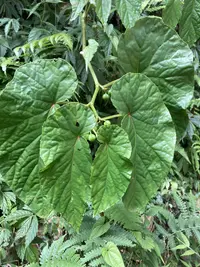
Begonia longifolia is a rhizomatous begonia valued for its long, narrow leaves and graceful, arching habit. It is usually grown as an ornamental foliage plant indoors or in sheltered shade areas. Native to humid forest regions in parts of Asia, it prefers stable, mild conditions and protection from harsh sun and cold drafts.
The plant forms low clumps and produces clusters of delicate flowers when conditions are favorable, but its main appeal is the textured foliage. It tends to be moderately demanding, as it dislikes dry air, waterlogged soil, and sudden temperature swings. Understanding how to care for Begonia longifolia helps keep it stable, especially in centrally heated homes.

Care Difficulty
Moderate Care

Light Preference
Bright Indirect Light

Water Requirements
Keep Soil Moist

Temperature Preference
Tropical / Frost Sensitive

Hardiness Zone
Unknown

Soil Texture
Loamy, Peaty, Organic-rich

Soil pH
Acidic (5.5–6.5)

Soil Drainage
Moist but well-drained

Fertilization
Light (every 4–6 weeks)
Scan your plant to receive care tips personalized for your specific plant
Available on iOS and Android
This species prefers bright, indirect light that mimics a forest understory.
Watering should keep the root zone evenly moist but never saturated.
This plant grows best in stable, warm conditions without temperature extremes.
This species benefits from consistently moderate to high humidity for best foliage quality.
Begonia longifolia prefers a loose, airy, organic-rich mix that drains quickly but holds some moisture.
This species is well suited to container growing when moisture and stability are controlled carefully.
Light, consistent feeding supports steady foliage growth for Begonia longifolia in containers.
Targeted pruning keeps Begonia longifolia compact, leafy, and free of weak growth.
Occasional repotting maintains healthy roots and stable growth in Begonia longifolia kept in containers.
New plants of Begonia longifolia are most commonly produced from stem cuttings and divisions.
This species is frost-sensitive and needs sheltered winter conditions in most temperate climates.

Plant Health Check
Not sure what's wrong with your plant? Check your plant's health inside the app.
This species has unusually long, narrow leaves for a begonia, which increases leaf surface area for light capture while allowing efficient water runoff in its native, often moist habitats.
Begonia longifolia grows from creeping rhizomes, thick horizontal stems just at or below the soil surface, which helps it spread slowly and regenerate after physical damage in the wild.
Its leaves show pronounced, almost parallel veins running along their length, a feature that helps channel water and may aid in mechanical support of the elongated leaf blade.
Brown, crispy edges usually result from low humidity, excess fertilizer salts, or allowing the potting mix to dry out too hard between waterings. Flush the soil occasionally, avoid direct heat sources nearby, and maintain stable indoor humidity.
Keep your plants happy and healthy with plant identification, disease detection, and easy care guidance.