Eugenia pyriformis Care

Eugenia pyriformis

About Eugenia pyriformis

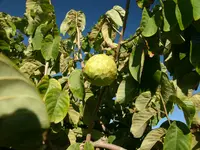
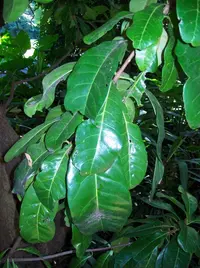
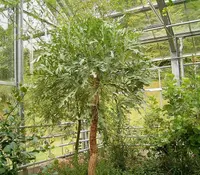
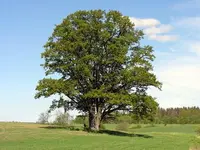
Eugenia pyriformis, often called uvaia or Brazilian pear cherry, is a small evergreen fruit tree in the myrtle family. It forms a dense, rounded crown with glossy green leaves and fragrant white flowers.

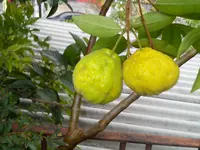
This species is native to the Atlantic Forest regions of Brazil, where it grows in warm, humid conditions. Its yellow to orange, pear-shaped fruits are aromatic and are eaten fresh or used in juices and jams.

The plant is moderately fast-growing but prefers a mild, frost-free climate, so it is easier outdoors in warm regions or in protected microclimates. It favors well-drained, slightly acidic soil and steady moisture, and learning how to care for Eugenia pyriformis helps maintain good fruit production and a healthy canopy.

Main Plant Requirements

Care Difficulty

Moderate Care

Light Preference

Full Sun

Water Requirements

Regular Water

Temperature Preference

Warm Climate

Hardiness Zone

10–11

Soil Texture

Sandy, Loamy, Organic-rich

Soil pH

Acidic (5.5–6.5), Slightly acidic (6.5–7.0)

Soil Drainage

Moist but well-drained

Fertilization

Minimal (feed rarely)

Get Personalized Care Plan

Scan your plant to receive care tips personalized for your specific plant

Available on iOS and Android

How to Care for the Eugenia pyriformis

This species prefers bright exposure with some protection from harsh midday sun.

  • Provide 4–6 hours of direct morning sun with light afternoon shade, or bright filtered light all day in warm regions.
  • In cooler coastal areas it tolerates near full sun, but in hot interiors or subtropics use 30–50% shade cloth to prevent leaf scorch.
  • If new growth is sparse, internodes lengthen, or leaves lose gloss, light is likely too low for healthy Eugenia pyriformis development.

Watering should keep the root zone evenly moist but never saturated.

  • Allow the top 3–5 cm of soil to dry before deep watering, so moisture reaches 20–30 cm into the root zone in open ground.
  • Reduce frequency in cool seasons, increasing only during hot, dry periods or when foliage wilts slightly and the soil feels dry at knuckle depth.
  • Ensure well-drained soil; signs of overwatering include yellowing leaves and soft stems, while crispy margins and slow growth suggest chronic underwatering.

This plant prefers warm, frost-free conditions for steady growth and fruiting.

  • Ideal growth occurs around 68–82°F (20–28°C), with the best flowering and fruit set in consistently warm, stable conditions.
  • Plants tolerate short dips to about 40°F (4–5°C) but young Eugenia pyriformis can suffer damage if exposed to light frost or cold winds.
  • In hot summers above 90°F (32°C), provide extra mulch and soil moisture; brief heat is tolerated if roots are cool and foliage is not exposed to hot, dry winds.

This species benefits from moderately humid air, especially in warm indoor or patio conditions.

  • Aim for 50–70% humidity to support steady growth and reduce leaf-edge browning.
  • It tolerates brief dips to 35–40% but prolonged dry air can cause curling, crispy tips, and slower growth.
  • Increase humidity with a nearby humidifier, grouped plants, or an evaporative tray rather than misting the foliage.

Provide a deep, well-structured, free-draining substrate to support strong root development and fruiting.

  • Use a loamy mix combining roughly 50% peat-free potting mix, 30% compost, and 20% coarse sand or fine bark for structure.
  • Ensure rapid drainage while retaining some moisture; water should infiltrate easily and never pool on the surface for more than a few minutes.
  • Keep pH slightly acidic to neutral, around 5.8–7.0, which suits Eugenia pyriformis and supports nutrient availability.
  • Improve aeration and prevent compaction by incorporating coarse perlite or pine bark chips and avoiding heavy clay-dominant soils.

This species is suitable for container growing when provided with a stable, generous root space.

  • Choose a tall, heavy pot to counterbalance the woody top growth and reduce tipping risk in wind-exposed sites.
  • Select slightly porous materials like unglazed clay if the climate is humid, or glazed/plastic containers where evaporation is very high.
  • Use a pot diameter that is wide enough to allow lateral root spread, preventing circling roots that restrict water and nutrient uptake.

This species benefits from moderate, balanced feeding in cultivation, especially in containers.

  • Apply a balanced slow-release fertilizer (around 10-10-10 NPK) at the start of spring for Eugenia pyriformis grown in pots or nutrient-poor soil.
  • Supplement with a light top-dressing of compost once per year to maintain soil organic matter and micronutrients.
  • During active growth, use a half-strength balanced liquid feed every 4–6 weeks if foliage looks pale or growth is weak.
  • Stop or greatly reduce fertilization in late fall and winter, when growth slows and nutrient demand is low.

Thoughtful pruning keeps this shrub or small tree healthy, accessible, and well-shaped.

  • Carry out main pruning in late winter or very early spring, before vigorous new growth begins.
  • Remove dead, diseased, crossing, or storm-damaged branches first, cutting back to healthy wood with clean, sharp bypass pruners or a saw.
  • Thin congested interior shoots to improve light penetration and airflow, which supports foliage health and fruiting.
  • Shorten overly long shoots to maintain a balanced crown and convenient harvest height for Eugenia pyriformis.

This species is usually grown in the ground but young or container plants may need occasional repotting or transplanting.

  • Check for roots circling the pot, emerging from drainage holes, or noticeably slowed growth as signs a container Eugenia pyriformis needs more space.
  • Transplant or up-pot in late winter to early spring, when temperatures are mild and new root growth is about to start.
  • Move up only 1–2 pot sizes or replant into a hole slightly wider than the root ball, using well-drained, organically enriched soil.
  • Water thoroughly after moving, shade from intense sun for 3–7 days, and keep the root zone evenly moist to limit transplant shock.

New plants are most often raised from seed, with cuttings used less frequently.

  • Collect ripe fruits, clean and sow fresh seeds in spring in a well-drained, slightly acidic mix, as Eugenia pyriformis seeds lose viability if left to dry too long.
  • Provide warm conditions around 70–80°F, bright indirect light, and consistent moisture to encourage steady germination.
  • For semi-hardwood cuttings, take 10–15 cm pieces in late spring to summer, remove lower leaves, and dip the base in rooting hormone.
  • Insert cuttings into a sterile, free-draining medium, keep humidity high with a cover, and maintain gentle bottom warmth to support rooting.

This subtropical species has limited frost tolerance and benefits from simple winter protection in cooler climates.

  • In regions with light frost, apply a 5–8 cm layer of organic mulch around the root zone, keeping it slightly away from the trunk.
  • Wrap young trunks with breathable frost cloth during forecast freezes to reduce bark and cambium damage.
  • Grow container plants in large pots and move them indoors or into a bright, frost-free greenhouse when temperatures drop near 32°F.

Care Tips

Wind protection

Provide a permeable windbreak such as shade cloth or a slatted fence on exposed sites to reduce flower and young fruit drop caused by strong, drying winds.

Structured formative pruning

In the first 3–4 years, prune lightly after harvest to select 3–5 main scaffold branches with wide angles, which creates a strong framework that supports heavier crops later and improves light penetration.

Fruit thinning practice

When branches set very dense clusters, remove some small fruits by hand so remaining fruits size up better and branches are not stressed or broken by excess weight.

Mulch management

Maintain a 5–8 cm ring of organic mulch around the root zone, keeping it a few cm away from the trunk to reduce weed competition, buffer soil temperature, and limit collar rot risk.

Preventive pest scouting

Inspect young flushes and flower clusters weekly for scale insects and leaf-chewing pests, and spot-treat early with horticultural oil or targeted controls, since early intervention is more effective than reactive measures when caring for Eugenia pyriformis.

Common Pests and Diseases

Fruit fly infestation

This pest targets ripening fruits, laying eggs under the skin; larvae tunnel through the pulp, causing premature fruit drop and internal rotting. Symptoms include soft, spotted fruit with small puncture marks and maggots inside.

Solution

Collect and destroy infested and fallen fruits daily, and avoid leaving ripe fruit on the tree or ground. Use fruit fly traps (such as protein bait or pheromone lures) placed around the canopy and, in small plantings, protect developing fruits with fine mesh bags to reduce new attacks when growing Eugenia pyriformis outdoors in warm regions.

Guava moth larvae

These insects bore into young and maturing fruits, feeding on the pulp and seeds and leaving frass (sawdust-like droppings) around entry holes. Symptoms include distorted or prematurely dropping fruits with tunnels and decayed tissue inside.

Solution

Remove and destroy all damaged and fallen fruits to break the life cycle and reduce local populations. For small trees, use fine mesh bags over clusters of young fruit and encourage local predators (such as birds and beneficial wasps) by keeping a diverse garden and avoiding broad-spectrum insecticides that kill natural enemies.

Leaf spot

This disease causes small dark spots that may enlarge, turn tan or gray in the center, and sometimes lead to yellowing and premature leaf drop. Symptoms include scattered lesions on older foliage, especially in warm, humid, or poorly ventilated conditions.

Solution

Prune lightly to open the canopy, improve airflow, and avoid overhead watering that keeps leaves wet for long periods. Remove and discard heavily spotted leaves, then apply a copper-based or other labeled fungicide during wet periods if the problem recurs, following local regulations and label instructions.

Anthracnose

This disease attacks young leaves, shoots, flowers, and sometimes fruits, causing dark, sunken lesions, blighted tips, and deformed new growth. Symptoms include patchy necrotic areas along leaf veins and scorched-looking shoots, especially after extended rain or high humidity.

Solution

Trim out and dispose of infected twigs and leaves, disinfecting pruning tools between cuts, and keep the plant pruned to promote good light penetration and drying. Avoid dense, shaded, and constantly wet conditions around the canopy, and use a suitable preventive fungicide spray at the start of humid seasons if previous infections were severe.

Interesting Facts

Brazilian cloud forest origins

This species is native to the Atlantic rainforest of southern and southeastern Brazil, where it typically grows in cool, moist montane and cloud forest habitats rather than lowland rainforest.

Pear-shaped edible fruit

The tree produces small, yellow, pear-shaped berries with a thin skin and aromatic, sweet-acid pulp that are commonly eaten fresh or used in juices, jams, and ice creams in its native range.

Bird-dispersed seeds

Wild populations rely heavily on frugivorous birds that eat the ripe fruit and disperse the seeds, helping maintain genetic exchange between scattered forest fragments.

Botan icon

Did you know?

Eugenia pyriformis is one of the Myrtaceae species widely used in Brazil for small-scale reforestation and ecological restoration projects, because it combines wildlife-attracting fruit, relatively fast juvenile growth, and good adaptability to degraded Atlantic rainforest sites.

FAQs about Eugenia pyriformis

The fruits are edible and widely consumed fresh, in juices, jams, and desserts. The pulp is aromatic and sweet-acid. As with any new fruit, introduce it gradually and avoid unripe or spoiled material.

Grow Healthy Plants with Botan Care

Keep your plants happy and healthy with plant identification, disease detection, and easy care guidance.

Botan plant care app — identify plants on mobile

Explore More Plants