Protect surface roots
Mulch a 5–10 cm deep ring out to at least the drip line with composted bark or wood chips, but keep mulch 5–8 cm away from the trunk to protect this shallow‑rooted tree from heat, drought, and mower damage.

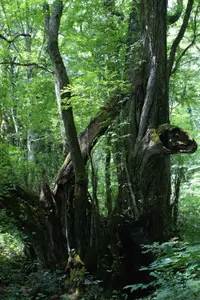
The katsura tree, Cercidiphyllum japonicum, is a deciduous ornamental tree valued for its rounded crown and heart-shaped leaves that turn vivid yellow, orange, and red in autumn. When the leaves fall, they can release a light, sweet scent.
This species is native to Japan and China, where it grows in moist forests and mountain valleys. In gardens and parks, it develops a graceful, multi-stemmed or single-trunk form that can become quite large over time.
Its need for consistent moisture, shelter from harsh drying winds, and preference for deep, fertile soil means it is moderately demanding compared with tougher landscape trees. Understanding how to care for katsura tree helps owners keep it healthy and prevent leaf scorch or stunted growth.

Care Difficulty
Moderate Care

Light Preference
Partial Shade

Water Requirements
Regular Water

Temperature Preference
Cold Hardy

Hardiness Zone
4–8

Soil Texture
Loamy, Clay, Organic-rich

Soil pH
Acidic (5.5–6.5), Slightly acidic (6.5–7.0)

Soil Drainage
Moist but well-drained

Fertilization
Minimal (feed rarely)
Scan your plant to receive care tips personalized for your specific plant
Available on iOS and Android
This deciduous tree prefers bright outdoor conditions with protection from harsh extremes.
This species prefers consistently moist, cool soil without becoming waterlogged.
This hardy tree thrives in cool to moderate climates with distinct seasons.
This species prefers consistently moist air but adapts to typical outdoor humidity in temperate climates.
This tree needs deep, evenly moist, structurally stable soil to support long-term growth.
This species can be grown in containers for several years, but long-term growth is constrained by root space.
Cercidiphyllum japonicum benefits from light, balanced feeding in nutrient-poor soils but often grows well in reasonably fertile ground without it.
Cercidiphyllum japonicum needs minimal pruning, mainly to maintain a sound structure and remove problem wood.
This tree is usually grown in the ground, so focus on correct planting and careful transplanting of young specimens.
Cercidiphyllum japonicum is usually propagated by seed or semi-ripe cuttings under controlled conditions, so home success varies.
Established katsura tree is cold hardy in much of the US and usually needs only basic winter care.

Plant Health Check
Not sure what's wrong with your plant? Check your plant's health inside the app.
In autumn, its fallen leaves release a noticeable sweet fragrance often compared to cotton candy, caramel, or burnt sugar, caused by the volatile compound maltol produced during leaf breakdown.
This species is considered a living fossil, with fossil records showing very similar Cercidiphyllum-like trees widespread across the Northern Hemisphere in the Paleogene period, while today it survives mainly in Japan and parts of China.
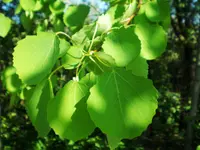
The tree bears heart-shaped leaves that differ on long and short shoots; these leaf types vary in size and shape, an example of leaf dimorphism linked to the plant’s growth strategy and light capture.

In parts of Japan, natural stands of Cercidiphyllum japonicum are recognized as important climax forest components on moist mountain slopes, where their deep root systems help stabilize soils and support complex forest communities around them.
Growth is moderate. In suitable conditions, it usually adds about 30–45 cm per year when young, slowing as it matures. Good moisture, deep soil, and mild climates support faster growth, while drought or compacted soil reduce vigor.
Keep your plants happy and healthy with plant identification, disease detection, and easy care guidance.