silver-leaved mountain gum Care (Eucalyptus pulverulenta)

Also known as: silverleaf mountain gum
silver-leaved mountain gum

About silver-leaved mountain gum

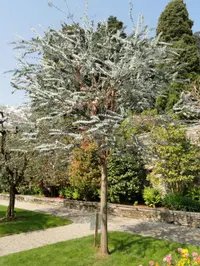
Eucalyptus pulverulenta, commonly called silver-leaved mountain gum, is a small evergreen tree or large shrub valued for its striking round, silvery-blue juvenile foliage. Stems often grow in a slightly zigzag pattern, creating a sculptural look that suits both gardens and cut-foliage use.

This species is native to higher elevations in New South Wales, Australia, where it experiences cool conditions and good light. It grows relatively fast but can become leggy without pruning, so it suits gardeners who do not mind some shaping.

It generally prefers full sun, well-drained soil, and moderate moisture. Understanding how to care for silver-leaved mountain gum starts with providing strong light, space for its roots, and protection from extreme, prolonged frost.

Main Plant Requirements

Care Difficulty

Moderate Care

Light Preference

Full Sun

Water Requirements

Moderate Water

Temperature Preference

Warm Climate

Hardiness Zone

8–10

Soil Texture

Sandy, Loamy, Rocky

Soil pH

Acidic (5.5–6.5), Slightly acidic (6.5–7.0)

Soil Drainage

Well-drained

Fertilization

Minimal (feed rarely)

Get Personalized Care Plan

Scan your plant to receive care tips personalized for your specific plant

Available on iOS and Android

How to Care for the silver-leaved mountain gum

This species thrives in bright, open sites with strong direct sun for most of the day.

  • Provide 6–8 hours of direct sun daily; full sun is ideal, especially in cooler climates where light intensity is lower.
  • Accepts light partial shade for 2–3 hours, but prolonged shade causes lanky growth, reduced foliage density, and duller leaf color in silver-leaved mountain gum.
  • In hot inland summers, prioritize morning sun with light afternoon shade to reduce leaf scorch, while in winter ensure the site is as open and unobstructed as possible.

This eucalyptus prefers soil that dries between waterings rather than staying constantly moist.

  • Allow the top 3–5 cm of soil to dry before watering; in well-established plants, the soil can approach dry a bit deeper as roots explore the subsoil.
  • Use sharply draining soil or a sloped site so water never pools around the base, as Eucalyptus pulverulenta is prone to root problems in soggy ground.
  • In hot, dry periods, water deeply when leaves lose some firmness or curl slightly; reduce frequency in cool or rainy seasons to avoid yellowing leaves and dieback from overwatering.

This species grows best in mild to warm climates with limited hard frost.

  • Optimal growth occurs around 60–80°F (16–27°C), with stable, moderate temperatures supporting steady shoot and leaf development.
  • Mature trees tolerate brief drops to about 20–23°F (-7 to -5°C), but young plants are more tender and may suffer tip burn or dieback near freezing.
  • Handles dry summer heat up to about 95°F (35°C) if soil is not waterlogged, but prolonged hard frost or repeated freeze–thaw cycles can damage bark and roots.

This species handles typical indoor humidity but benefits from slightly drier, well-ventilated air.

  • Aim for 30–50% humidity, similar to average indoor conditions in many homes.
  • Dry air is usually tolerated, but persistent leaf edge browning or curling can indicate stress.
  • Improve air movement with a fan and avoid clustering plants too tightly to reduce prolonged leaf wetness.

This species prefers lean, sharply draining soil that never stays soggy.

  • Use a sandy or gritty loam with low to moderate organic matter to prevent excessive moisture retention.
  • Aim for slightly acidic to neutral pH, around 6.0–7.0, which suits most Eucalyptus pulverulenta specimens.
  • Create a mix such as 50% all-purpose potting mix, 25% coarse sand, and 25% fine bark or perlite for aeration.
  • Avoid heavy clay, peat-heavy blends, or compacted ground where water lingers around the root zone.

This eucalyptus can be grown in containers if the pot allows strong drainage and root space for its woody root system.

  • Choose a deep, heavy container to counter the top-heavy canopy and reduce tipping in strong wind.
  • Select terracotta or other porous materials if extra evaporation is needed in wet climates or overwatered setups.
  • Raise the pot on feet or bricks so drainage holes stay clear and runoff water can escape quickly.

This species grows fast and benefits from light, controlled feeding in containers or poor soils.

  • Use a balanced slow-release fertilizer or diluted liquid feed (around 1/2 strength) for potted silver-leaved mountain gum.
  • Apply during spring and summer every 4–6 weeks for container plants; garden trees in fertile soil often need no extra nutrition.
  • Avoid high-nitrogen lawn fertilizers near roots to limit weak, overly lush growth and wind-prone shoots.
  • Stop feeding in late summer to allow wood to harden before winter and reduce cold damage risk.

Thoughtful pruning helps Eucalyptus pulverulenta maintain a strong framework and desired size.

  • Carry out main pruning in late winter to early spring before active growth starts.
  • Remove dead, damaged, crossing, or congested branches to improve airflow and reduce disease risk.
  • Shorten long, leggy stems to encourage bushier growth and more juvenile foliage for cutting.
  • Use clean, sharp bypass pruners or loppers, cutting just above a node or branch junction.

Container-grown or young landscape plants need timely moving to prevent root binding and stress.

  • Check for roots circling the pot, pushing out drainage holes, or slowed growth as signs it needs a larger container or planting spot.
  • Transplant in late winter to early spring, when conditions are cool and moist but soil is workable.
  • For containers, shift up only 1 pot size every 1–2 years, using a free-draining mix to avoid waterlogging.
  • At planting, gently tease circling roots, water thoroughly, and keep soil evenly moist for several weeks to limit transplant shock.

Eucalyptus pulverulenta is usually propagated by seed or semi-ripe cuttings under controlled conditions.

  • Sow fresh seed in late winter to early spring in a well-drained, low-nutrient seed mix kept around 65–72°F.
  • Provide bright light and constant, light moisture; avoid waterlogging to reduce damping-off, a fungal seedling disease.
  • Take semi-ripe tip cuttings in late summer, use rooting hormone, and place in warm, humid, bright but indirect light.
  • Maintain good air movement and bottom warmth if possible, as rooting can be slow and success rates variable.

This species is moderately cold tolerant but benefits from some winter precautions in cooler climates.

  • In-ground plants in mild areas often withstand light frosts once established, especially in well-drained soil.
  • Apply a 5–8 cm mulch layer around the root zone in late fall, keeping it slightly away from the trunk.
  • Move containers to a bright, frost-free spot or unheated greenhouse when temperatures drop below about 25°F.
  • Shelter young trees from harsh wind to limit stem dieback and desiccation during cold spells.

Care Tips

Stake Early Growth

Install a sturdy stake or bamboo cane when the plant is young and loosely tie the main stem with soft ties, adjusting them every few months so the trunk develops straight without girdling as it thickens.

Use Renewal Pruning

Every 1–2 years, remove 1–3 of the oldest, thickest stems at the base during late winter to encourage a constant flush of younger, more decorative silver foliage for cutting.

Plan Cutting Rotation

When harvesting stems for arrangements, cut no more than 20–30% of the canopy at a time and rotate which branches you cut so the plant can rebuild foliage and maintain strong structure.

Wind Management Strategy

In exposed sites, use temporary windbreak fabric or plant on the leeward side of a solid barrier so young plants do not suffer from wind rock, which can loosen roots and slow establishment.

Container Size Control

For silver-leaved mountain gum in large containers, limit pot-up increments to 5–10 cm wider each time and lightly root prune when repotting to restrain ultimate size and maintain a dense, manageable crown.

Common Pests and Diseases

psyllids

This pest feeds on young eucalyptus foliage, causing pitting, curling, and distorted new growth, often with sticky honeydew and sooty mold on leaves and stems.

Solution

Prune and discard heavily infested shoots, then hose down foliage to remove nymphs and honeydew; for ongoing Eucalyptus pulverulenta care, use horticultural oil or insecticidal soap directed at the undersides of leaves, and avoid high nitrogen fertilization that encourages soft new growth.

longhorn borers

These insects tunnel into trunks and larger stems, leading to wilted foliage, branch dieback, and frass (sawdust-like material) at entry holes.

Solution

Remove and destroy severely infested branches to interrupt the life cycle, keep the tree well watered but not waterlogged to reduce stress, and avoid trunk wounds; in high-pressure areas, consult a local arborist about targeted trunk or soil treatments appropriate for eucalyptus borers.

leaf spots

This disease causes tan to brown spots on leaves that may coalesce, leading to premature leaf drop in humid or crowded conditions.

Solution

Collect and dispose of fallen leaves, thin surrounding vegetation to improve airflow, and avoid overhead watering; in persistent cases, apply a copper-based fungicide during warm, wet periods according to label directions.

sooty mold

This disease appears as a black, soot-like coating on leaves and stems that develops on honeydew excreted by sap-sucking insects such as psyllids or scale.

Solution

Control the underlying sap-sucking insects with insecticidal soap or horticultural oil, then rinse foliage with water to reduce the mold; improving air movement and light exposure helps leaves dry faster and limits further mold growth.

scale insects

This pest appears as small, immobile bumps along stems and leaf veins, weakening the plant over time through sap removal and encouraging honeydew and sooty mold development.

Solution

Gently scrape or wipe off accessible scales with a soft cloth or brush, prune out heavily infested twigs, and apply horticultural oil thoroughly to stems and leaf undersides, repeating as needed to target emerging crawlers.

Interesting Facts

Naturally dwarf eucalypt

This species is naturally small and multi-stemmed compared with many eucalypts, often forming a shrubby tree that rarely reaches the heights typical of larger Eucalyptus species.

Strong glaucous coating

Its round leaves are covered in a dense bluish-white waxy bloom called glaucousness, which reduces water loss and gives the foliage its distinctive silvery color.

Limited native range

Eucalyptus pulverulenta is naturally restricted to a few small populations in New South Wales, Australia, where it grows on rocky, exposed sites and is considered rare in the wild.

Botan icon

Did you know?

The species name pulverulenta refers to the plant’s powdery, bluish wax coating, which can be rubbed off the young stems and leaves like a fine dust, giving rise to its common name silver-leaved mountain gum.

FAQs about silver-leaved mountain gum

This species is generally fast-growing, often adding 30–90 cm of height per year in favorable conditions. Growth slows in containers or poor soil, and young trees typically establish quickly during the first 3–5 years.

Grow Healthy Plants with Botan Care

Keep your plants happy and healthy with plant identification, disease detection, and easy care guidance.


Botan plant care app — identify plants on mobile

Explore More Plants