


Mulch With Grit
Apply a 2–3 cm layer of sharp grit or granite chippings around the crowns to keep the root zone cool, suppress competing moss, and prevent the woody stems from sitting in wet, decomposing organic mulch.

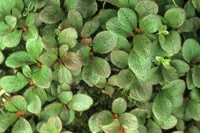
Red bearberry, Arctous rubra, is a low, woody groundcover shrub adapted to cold, open landscapes. It forms dense mats with small, leathery leaves that turn bright red in autumn and produces red berries that stand out against the foliage.
This species is native to arctic and subarctic regions of North America and eastern Asia, where it grows in tundra, rocky slopes, and open coniferous forests. It prefers cool conditions, acidic, well-drained soil, and exposure ranging from full sun to light shade.
Its slow growth, shallow roots, and dislike of heat or poorly drained soil can make it challenging outside its natural climate. Gardeners who care for Red bearberry need to match these natural conditions as closely as possible.

Care Difficulty
Hard Care

Light Preference
Full Sun

Water Requirements
Low Water

Temperature Preference
Cold Hardy

Hardiness Zone
2–6

Soil Texture
Sandy, Loamy, Rocky

Soil pH
Strongly acidic (4.5–5.5), Acidic (5.5–6.5)

Soil Drainage
Well-drained

Fertilization
Minimal (feed rarely)
Scan your plant to receive care tips personalized for your specific plant
Available on iOS and Android
This low-growing subarctic shrub prefers cool, bright conditions with limited intense heat.
This shrub is adapted to cold, often well-drained but moist sites and dislikes prolonged saturation.
This species is strongly cold-adapted and performs best in cool climates.
This boreal shrub tolerates low atmospheric moisture and does not need special humidity control.
Arctous rubra prefers lean, sharply drained, acidic substrates similar to tundra or heath habitats.
This species can be grown in containers if its alpine-like root and drainage needs are met.
Arctous rubra is adapted to nutrient-poor soils and usually needs minimal feeding in gardens or containers.
Pruning Arctous rubra is mainly about light cleanup to maintain a low, dense groundcover.
This species is usually grown in the ground; focus on careful transplanting rather than frequent repotting.
Arctous rubra is slow to establish, and propagation is possible but not very fast.
This northern shrub is very cold hardy and usually requires little special winter care in the ground.

Plant Health Check
Not sure what's wrong with your plant? Check your plant's health inside the app.
This species is naturally restricted to cold, open habitats across arctic and subarctic regions of North America and northeastern Asia, where it grows in heath, tundra, and rocky slopes close to or beyond treeline.
The leaves are green in the growing season but often turn vivid red in late summer and autumn, creating bright mats of color that are highly visible against tundra and rocky ground.
It forms low, woody mats through underground stems, allowing genetically identical shoots to spread over patches of ground and persist in harsh, windy environments with shallow or nutrient-poor soils.

This species frequently grows alongside other ericaceous shrubs such as crowberry and bearberry and helps stabilize thin, frost-prone soils, contributing to the structure of fragile tundra plant communities that support insects, birds, and small mammals.
This species forms a slowly spreading, low mat through short, woody stems and rooting branches. It is not considered aggressive and usually stays within its planting area if given similar, well-drained, acidic conditions to its natural habitat.
Keep your plants happy and healthy with plant identification, disease detection, and easy care guidance.

Japanese Maple
Acer palmatum 'Shaina'
Garden strawberry
Fragaria × ananassa
Persian ironwood
Parrotia persica
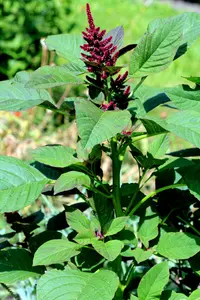
Prince-of-Wales feather
Amaranthus hypochondriacus
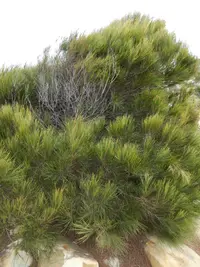
Allocasuarina thalassoscopica
Allocasuarina thalassoscopica
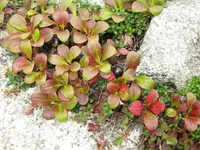
alpine bearberry
Arctous alpina
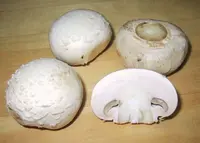
portobello mushroom
Agaricus bisporus
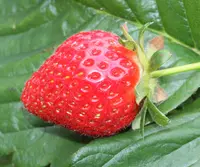
Strawberry
Fragaria x ananassa 'Chandler'