Persian ironwood Care (Parrotia persica)

Also known as: parrottia, Persian witch-hazel
Persian ironwood

About Persian ironwood

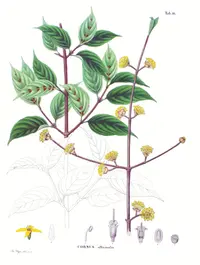
Persian ironwood, Parrotia persica, is a deciduous ornamental tree valued for its multi-season interest and durable wood. It naturally grows in the forests of northern Iran and the Caucasus.

The plant forms a broad, spreading crown with attractive flaking bark and dense branching, making it suitable as a specimen tree or large shrub in landscapes. Foliage emerges fresh green, then develops strong autumn color in shades of yellow, orange, and red.

It grows slowly but is long-lived and generally resilient, which makes it easier to care for Persian ironwood once established. It prefers sun to light shade, evenly moist but well-drained soil, and benefits from a sheltered site in colder regions.

Main Plant Requirements

Care Difficulty

Moderate Care

Light Preference

Full Sun

Water Requirements

Moderate Water

Temperature Preference

Cold Hardy

Hardiness Zone

4–8

Soil Texture

Loamy, Clay, Organic-rich

Soil pH

Acidic (5.5–6.5), Slightly acidic (6.5–7.0)

Soil Drainage

Moist but well-drained

Fertilization

Minimal (feed rarely)

Get Personalized Care Plan

Scan your plant to receive care tips personalized for your specific plant

Available on iOS and Android

How to Care for the Persian ironwood

This deciduous tree prefers bright outdoor conditions for strong growth and good autumn color.

  • Provide full sun to light shade, with 4–6 hours of direct sun ideal; morning sun with light afternoon shade suits hot summer regions.
  • Tree tolerates partial shade, but too much shade reduces flowering and weakens fall color; aim for at least bright, open sky exposure.
  • In hotter climates, protect Persian ironwood from harsh afternoon sun to reduce leaf scorch, especially on young or newly transplanted trees.

This tree prefers evenly moist, well-drained soil, especially while establishing.

  • Let the top 3–5 cm of soil dry before deep watering, then soak the root zone thoroughly rather than giving frequent, shallow drinks.
  • During the first 2–3 growing seasons, monitor after hot, dry, or windy periods; drooping leaves signal thirst, while yellowing leaves and soggy soil suggest overwatering.
  • In mature landscape plantings, reduce watering in cool, rainy seasons and focus irrigation during extended dry spells, particularly on sandy or fast-draining soils.

This hardy tree thrives in temperate climates with cold winters and moderate summers.

  • Optimal growth occurs around 60–75°F (16–24°C) during the growing season, with cool nights helping maintain healthy foliage and color.
  • Parrotia persica tolerates winter lows near -10°F (-23°C) once established, making it suitable for many cold-winter regions, provided soil drainage is good.
  • In summer heat above 90°F (32°C), combine soil moisture management and some afternoon shade to limit leaf scorch and stress, especially on young trees.

This species is adaptable and humidity is rarely a limiting factor outdoors.

Parrotia persica prefers deep, moderately moist, well‑structured soil that does not stay waterlogged.

  • Use a loamy soil with a mix of mineral particles and organic matter to support steady root development.
  • Ensure drainage is moderate to fast; avoid sites where water pools after rain or remains soggy for more than 24 hours.
  • Aim for slightly acidic to neutral soil, around pH 6.0–7.0, as strongly alkaline conditions can limit nutrient uptake.
  • Improve heavy clay by incorporating coarse sand and compost to increase aeration and reduce compaction before planting.

This species can be grown in large containers for some years, mainly in cooler climates or small spaces.

  • Choose a wide, heavy container to resist wind rock and support the plant’s broad, spreading canopy as it matures.
  • Use a deep pot to accommodate a gradually developing woody root system and maintain even moisture without waterlogging.
  • Select a thick-walled container material, such as ceramic or heavy plastic, to buffer rapid moisture loss and temperature swings in the root zone.

This tree generally needs minimal feeding in average garden soil, but light fertilization can support growth in poor sites.

  • Apply a thin layer of compost or well-rotted manure over the root zone once in early spring for Persian ironwood.
  • In lean soils, use a balanced slow-release fertilizer (around 10-10-10) at label rates in early spring.
  • Avoid mid-summer to fall feeding, which can stimulate tender growth before winter.
  • Never exceed manufacturer rates; on sandy soils, use the lower end of recommended strength.

Parrotia persica benefits from light, deliberate pruning to maintain structure and showcase its branching.

  • Carry out structural pruning in late winter to very early spring, before bud break.
  • Remove dead, diseased, crossing, or inward-growing branches with clean, sharp bypass pruners or a pruning saw.
  • Thin crowded interior shoots selectively to emphasize the tree’s layered, spreading form.
  • Limit heading cuts; instead, use thinning cuts back to a branch union to preserve natural shape.

This species is usually grown in the ground, so focus on careful transplanting rather than frequent repotting.

  • Transplant young trees in late fall or early spring when soil is workable and the plant is dormant.
  • Look for signs such as roots circling the pot, water running off quickly, or stalled growth in container-grown plants.
  • Move up only 1–2 pot sizes, loosening circling roots and trimming damaged ones to reduce stress.
  • Water deeply after planting, mulch 5–8 cm around (not against) the trunk, and keep soil evenly moist until established.

Parrotia persica can be propagated, but it is relatively slow and most plants are nursery-grown.

  • Take semi-ripe cuttings in mid to late summer, 8–12 cm long, from healthy non-flowering shoots.
  • Use a free-draining medium such as 1:1 peat-free compost and perlite, plus bottom heat around 70–75°F if possible.
  • Apply rooting hormone to the cut base and keep humidity high with a propagator lid or clear plastic cover.
  • Sow fresh seed in autumn in pots outdoors for natural cold stratification, accepting variable and slow germination.

This tree is generally cold hardy in much of the US and needs only modest winter care once established.

  • Mature plants tolerate typical winter frosts in USDA zones roughly 5–8 without special covering.
  • Mulch the root zone with 5–8 cm of organic material in late fall to moderate soil temperature and moisture.
  • Young or container-grown plants benefit from a sheltered position and wrapping the pot to insulate roots.
  • In very cold regions, overwinter containers in an unheated but frost-sheltered garage or cold frame.

Care Tips

Root flare check

When planting or mulching, keep the root flare at or slightly above soil level and brush away excess soil every few years so the base of the trunk stays dry and resistant to canker and rot.

Summer canopy training

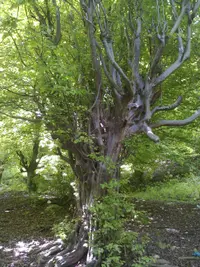
While branches are still flexible in summer, lightly weight or tie selected lateral shoots outward to develop a broad, layered canopy that shows off the bark and improves light penetration into the crown.

Selective thinning cuts

Every 2–3 years, remove a few crossing or crowded interior branches with clean thinning cuts back to a side branch to maintain strong structure and good air flow, which helps reduce fungal issues when growing Persian ironwood.

Mulch for root cooling

Apply a 5–8 cm ring of coarse organic mulch over the root zone, keeping it 5–8 cm away from the trunk, to keep roots cool, improve soil structure, and support steady growth in hot summers.

Autumn color support

From mid to late summer, avoid heavy pruning or strong nitrogen doses so the tree can set up leaf pigments properly and deliver more reliable red, orange, and purple autumn color.

Common Pests and Diseases

Leaf spot

This disease causes small brown or purplish spots on leaves that may merge into larger blotches, sometimes surrounded by yellow halos. Symptoms include premature leaf drop in wet seasons or in dense, shaded plantings.

Solution

Prune to open the canopy and improve air movement, then remove and discard fallen and heavily spotted leaves to reduce inoculum. If wet weather persists and damage is significant, a copper-based fungicide labeled for ornamental trees can be applied in early spring and repeated as directed to protect new foliage as part of broader Parrotia persica care instructions.

Powdery mildew

This disease shows as a white or gray powdery coating on the upper leaf surface, often on shaded or crowded branches. Symptoms include distorted new growth and reduced vigor if the problem is severe and recurrent.

Solution

Increase light and airflow by thinning inner branches and avoiding overhead watering late in the day. In cases of repeated infection, treat new growth with a sulfur or potassium bicarbonate fungicide labeled for powdery mildew, following the label directions carefully.

Scale insects

These insects appear as small, oval or dome-shaped bumps on stems and sometimes leaf undersides, often with sticky honeydew beneath the plant. This pest weakens the tree over time and can encourage black sooty mold on the bark or nearby surfaces.

Solution

Prune out heavily infested twigs and wipe accessible stems with a cloth dipped in diluted insecticidal soap. For persistent infestations, apply a horticultural oil spray during the dormant season to smother overwintering scales, and repeat as needed according to the product label.

Aphids

These insects cluster on young shoots and leaf undersides, sucking sap and causing curled or distorted new leaves. This pest also produces honeydew, which may attract ants and lead to sooty mold on nearby surfaces.

Solution

Dislodge colonies with a firm spray of water from a hose, repeating every few days until populations collapse. For heavier infestations, use insecticidal soap or a light horticultural oil on affected shoots, coating leaf undersides thoroughly while avoiding applications during high heat.

Interesting Facts

Living fossil lineage

Parrotia persica belongs to the Hamamelidaceae family and is a relict species from ancient temperate forests that were widespread in the Northern Hemisphere during the Tertiary period, which makes it of high interest in evolutionary and paleobotanical studies.

Complex flaking bark

Mature trees develop a mottled trunk where thin plates of gray, green, cream, and brown bark peel away at different times, creating a multi-colored, camouflaged appearance that is used as a diagnostic feature to distinguish it from similar ornamental trees.

Petal-less winter flowers

The small, red flowers appear in late winter to very early spring before the leaves emerge, lack true petals, and instead display dense clusters of bright red stamens that provide an early pollen source for insects in mild climates.

Botan icon

Did you know?

Natural stands of Parrotia persica are geographically restricted to the Hyrcanian forests along the southern shores of the Caspian Sea in Iran and Azerbaijan, an ancient forest biome recognized as a UNESCO World Heritage site because of its exceptional biodiversity and high number of relict tree species.

FAQs about Persian ironwood

Growth is generally slow to moderate. Young trees may add 15–30 cm per year, sometimes more in rich, evenly moist soil. Establishment often takes several years before noticeable height and canopy expansion occur.

Grow Healthy Plants with Botan Care

Keep your plants happy and healthy with plant identification, disease detection, and easy care guidance.

Botan plant care app — identify plants on mobile

Explore More Plants