Early form training
In the first 3–5 years, select a single strong leader and remove competing upright shoots during dormant season so the tree develops a straight trunk suitable for timber, shelterbelts, or street planting.

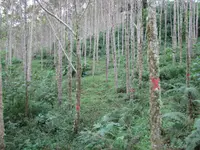
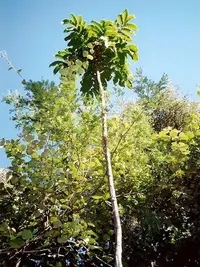
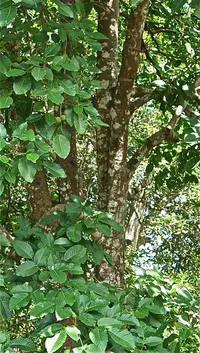
Andean alder, Alnus acuminata, is a fast-growing deciduous tree from highland regions of Central and South America. It often forms light, open canopies along streams and mountain slopes. The tree has smooth gray bark, finely toothed green leaves, and small cone-like structures that hold its seeds. Roots carry nitrogen-fixing bacteria, which enrich the soil and make the species useful in reforestation and erosion control. It adapts to a range of cool, moist climates, but prefers consistent moisture and well-drained soils with good light. These traits make it relatively forgiving for those learning how to care for Andean Alder in suitable outdoor conditions.

Care Difficulty
Easy Care

Light Preference
Full Sun

Water Requirements
Regular Water

Temperature Preference
Warm Climate

Hardiness Zone
8–11

Soil Texture
Sandy, Loamy, Clay

Soil pH
Acidic (5.5–6.5), Slightly acidic (6.5–7.0)

Soil Drainage
Moist but well-drained

Fertilization
Minimal (feed rarely)
Scan your plant to receive care tips personalized for your specific plant
Available on iOS and Android
This fast-growing tree prefers full sun but tolerates some shade in cooler climates.
This species prefers consistently moist, cool soil but not prolonged waterlogging.
This highland species prefers mild temperatures and tolerates light frost once established.
This species tolerates a broad humidity range and usually needs no special humidity control outdoors.
Alnus acuminata prefers deep, moist, well-drained mineral soils that stay aerated yet never waterlogged.
This fast-growing tree is generally unsuited to long-term container cultivation except for short-term nursery or research use.
This nitrogen-fixing tree usually needs little feeding in the ground, but light supplementation can support young Andean Alder in poor soils.
Alnus acuminata benefits from light structural pruning to maintain a strong framework and safe clearance.
This fast-growing alder is usually field-grown and transplanted rather than kept long term in containers.
This species is most often propagated from seed, which reflects its natural regeneration strategy.
Established Alnus acuminata is generally cold hardy in mild to cool temperate climates and needs minimal winter care.

Plant Health Check
Not sure what's wrong with your plant? Check your plant's health inside the app.
This Andean alder naturally colonizes disturbed, landslide-prone slopes at 1,800–3,200 m in the tropical Andes, stabilizing soils where few other tree species can persist.
Its roots host specialized actinobacteria in the genus Frankia, forming nitrogen-fixing nodules that can enrich poor volcanic or eroded soils and improve fertility for neighboring plants.
In suitable Andean climates it shows rapid juvenile growth and produces relatively light, workable wood used locally for construction, furniture, and match splints.

In many Andean regions, this species is deliberately planted along agricultural field borders and watercourses to create live fences and windbreaks that also improve soil fertility, making it an important component of traditional highland agroforestry systems when people want to grow Alnus acuminata.
This species is generally fast-growing, often adding 60–150 cm in height per year under suitable conditions. Growth is quickest in moist, well-drained soil with full light and cool climates, especially during the first 10–15 years.
Keep your plants happy and healthy with plant identification, disease detection, and easy care guidance.