Wind-firm training
In the first 2–3 years, stake the young tree and gradually loosen ties every 6–12 months so it learns to flex in the wind and develops a thicker trunk and stronger root system for long-term field planting.

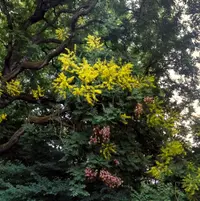
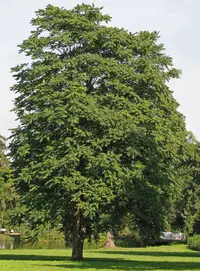
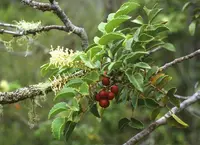
Philippine tung (Reutealis trisperma) is a fast-growing evergreen tree valued mainly for its oily seeds, used industrially rather than for food. It typically develops a straight trunk, a rounded to slightly open crown, and glossy green leaves that give it a dense, tropical look.
This species is native to the Philippines and grows in warm, humid, low- to mid-elevation areas. It is generally considered hardy in frost-free climates but is not suited to small indoor spaces due to its tree size.
The tree prefers full sun, moderate moisture, and well-drained soil, which influences how to care for Philippine tung in cultivation.

Care Difficulty
Moderate Care

Light Preference
Full Sun

Water Requirements
Moderate Water

Temperature Preference
Tropical / Frost Sensitive

Hardiness Zone
10–12

Soil Texture
Sandy, Loamy, Organic-rich

Soil pH
Acidic (5.5–6.5), Slightly acidic (6.5–7.0)

Soil Drainage
Well-drained

Fertilization
Minimal (feed rarely)
Scan your plant to receive care tips personalized for your specific plant
Available on iOS and Android
This fast-growing oil tree thrives in bright, warm conditions with consistent sun exposure.
This species prefers evenly moist, well-drained soil rather than constant saturation.
This tropical tree grows best in consistently warm, frost-free climates.
This species handles a wide humidity range but grows best with moderate air moisture.
Reutealis trisperma prefers deep, well‑drained, moderately fertile soil with good structure.
This tree can be grown in large containers for the first years if the pot is managed carefully for stability and drainage.
Reutealis trisperma benefits from moderate, targeted feeding during its active growing season.
Reutealis trisperma responds well to light structural pruning that maintains a strong framework.
This tree is usually grown in the ground, so management focuses on careful transplanting rather than frequent repotting.
Reutealis trisperma is most often propagated from seed under warm, controlled conditions.
This subtropical tree has low frost tolerance and needs thoughtful winter care in cooler climates.

Plant Health Check
Not sure what's wrong with your plant? Check your plant's health inside the app.
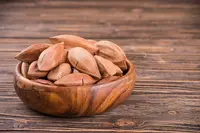
The seeds contain a non-edible drying oil rich in unusual fatty acids, which makes it suitable for industrial uses like coatings and lubricants but unsafe as a food oil.
This species was once classified in the genus Aleurites with tung oil trees, but further anatomical and molecular studies supported placing it in its own genus, Reutealis, within the Euphorbiaceae family.
The species is native to the Philippines, where it grows as a medium-sized tree in lowland and mid-elevation areas and has been trialed as an alternative industrial oil crop in its home range.
Growth is relatively quick in warm, frost‑free climates, especially during the rainy season. Young trees can add noticeable height each year, slowing as they mature. Rate depends strongly on soil fertility, moisture availability, and overall site conditions.
Keep your plants happy and healthy with plant identification, disease detection, and easy care guidance.