Salinity management
In containers, occasionally irrigate thoroughly with low-salinity water to flush accumulated salts from the root zone, since Salvadora persica tolerates salt but still benefits from preventing extreme buildup in a closed pot.

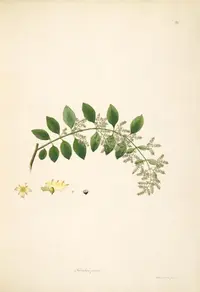
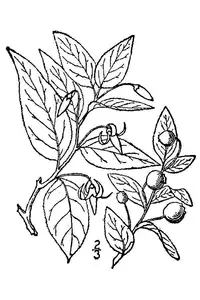
The toothbrush tree, Salvadora persica, is a small evergreen shrub or tree known for its fibrous twigs traditionally used as natural toothbrushes. It has a dense, rounded crown, small fleshy leaves, and a naturally irregular, bushy growth habit.
This species is native to arid and semi-arid regions of Africa, the Middle East, and parts of Asia, where it tolerates heat, drought, and poor, often salty soils. Its toughness and deep root system make it resilient but also slow to adapt when moved from wild conditions to containers.
For home growers, it suits bright, sunny, dry conditions with very well-drained soil, and it dislikes prolonged cold or waterlogging. These natural traits shape how to care for Toothbrush tree in cultivation.

Care Difficulty
Easy Care

Light Preference
Full Sun

Water Requirements
Low Water

Temperature Preference
Tropical / Frost Sensitive

Hardiness Zone
10–11

Soil Texture
Sandy, Loamy, Rocky

Soil pH
Neutral (7.0), Alkaline (7.5–8.5)

Soil Drainage
Well-drained

Fertilization
Minimal (feed rarely)
Scan your plant to receive care tips personalized for your specific plant
Available on iOS and Android
Salvadora persica is a sun-loving desert shrub that still tolerates some shade.
This drought-tolerant shrub prefers deep, infrequent watering over constant moisture.
This species is adapted to hot, arid climates but has clear limits for cold tolerance.
Salvadora persica tolerates low humidity and generally does not need special humidity control indoors.
This species prefers mineral, sharply drained soil that mimics arid, sandy habitats.
This species is suitable for container growing when provided with ample drainage and a stable, deep pot.
Salvadora persica is adapted to low-nutrient soils, so fertilizer use should stay light and targeted.
Pruning Salvadora persica is mainly used to manage size, shape, and plant health.
Salvadora persica is more often field-grown, but young or container plants sometimes need repotting or transplanting.
Salvadora persica is commonly propagated by both seeds and semi-ripe stem cuttings.
Salvadora persica is a warmth-loving species with low frost tolerance, so winter protection is important in cool climates.

Plant Health Check
Not sure what's wrong with your plant? Check your plant's health inside the app.
The young twigs of this species have a fibrous, brush-like structure and a high content of mildly abrasive silica, which makes them mechanically effective for cleaning teeth when chewed and frayed.
This plant is a true halophyte, able to grow in highly saline soils and arid conditions by storing salts in its tissues and maintaining water balance through specialized cellular mechanisms.
Its small, fleshy berries are eaten by many birds and mammals in dry regions, helping these animals find energy and water while also dispersing the plant’s seeds over long distances.

Genetic and phytochemical studies show that this species contains naturally occurring fluoride and other mineral ions in its twigs, which supports its long-standing traditional use as a chewing stick for oral hygiene across large parts of Africa, the Middle East, and South Asia.
Most parts are edible. Young twigs are traditionally used as natural toothbrushes, while leaves and small fruits are eaten in some regions. Only harvest from plants grown away from pollution, and introduce any new edible plant gradually.
Keep your plants happy and healthy with plant identification, disease detection, and easy care guidance.