Stake young trunks
Install a single, sturdy stake on the windward side of a young tree and use soft, wide ties set low and loose to keep the trunk stable for 1–2 years without restricting natural movement and trunk thickening.

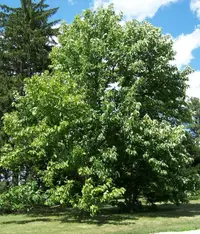
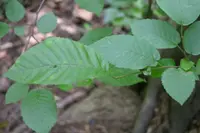
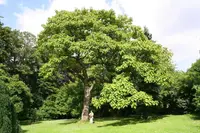
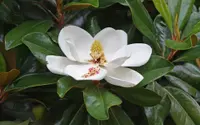
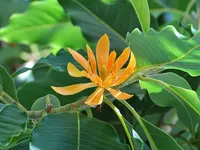
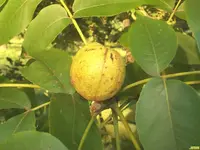
Cucumber-tree, Magnolia acuminata, is a deciduous flowering tree native to eastern North America, especially in rich forests and mountain valleys. It is one of the larger magnolias, forming a tall, upright canopy with broad green leaves and small, often inconspicuous, yellow-green flowers. The elongated, cucumber-shaped fruits give the tree its common name and add seasonal interest after flowering. This species suits spacious gardens and parks rather than small yards, due to its size and strong vertical growth. It generally prefers full sun to light shade, evenly moist but well-drained soil, and benefits from shelter from strong winds, which makes it easier to care for cucumber-tree in suitable climates.

Care Difficulty
Moderate Care

Light Preference
Full Sun

Water Requirements
Regular Water

Temperature Preference
Cold Hardy

Hardiness Zone
4–8

Soil Texture
Loamy, Clay, Organic-rich

Soil pH
Acidic (5.5–6.5), Slightly acidic (6.5–7.0)

Soil Drainage
Moist but well-drained

Fertilization
Minimal (feed rarely)
Scan your plant to receive care tips personalized for your specific plant
Available on iOS and Android
Magnolia acuminata thrives in bright outdoor conditions with a balance of sun and shade.
Magnolia acuminata prefers consistently moist but not saturated soil, especially while establishing.
This species is a hardy deciduous tree adapted to temperate climates with cold winters and warm summers.
Magnolia acuminata handles a wide humidity range and usually does not need special humidity management outdoors.
Magnolia acuminata prefers deep, moist, well-draining soil that stays evenly damp but never waterlogged.
This species is generally unsuited to long-term container growing and performs best planted in the ground.
Magnolia acuminata benefits from light, targeted feeding rather than heavy fertilization.
Magnolia acuminata needs minimal pruning, mainly to maintain structure and remove problem wood.
This magnolia is usually grown in the ground and focuses more on careful transplanting than long-term container culture.
Magnolia acuminata propagation is possible but relatively slow, most often done by seed or semi-ripe cuttings.
Magnolia acuminata is cold hardy in much of its range and usually needs only modest winter care.

Plant Health Check
Not sure what's wrong with your plant? Check your plant's health inside the app.
Magnolia acuminata is one of the few magnolia species native to cool-temperate North America, representing an ancient flowering plant lineage that evolved before bees, when beetles were the main pollinators.
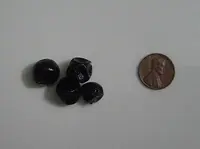
The tree’s common name comes from its immature green fruits, which resemble small cucumbers before turning reddish as they mature and expose bright red seeds that attract birds.
It has been widely used in breeding programs as a parent of several cold-hardy yellow-flowering hybrid magnolias, contributing its hardiness and floral color traits to many modern ornamental cultivars.

Fossil and morphological evidence place Magnolia acuminata and its relatives among the earliest-evolved lineages of flowering trees, so its large, simple flowers and spirally arranged floral parts are often studied as examples of primitive angiosperm characteristics.
Lack of flowers often comes from planting a young tree, deep shade, or heavy pruning of branch tips. Late frosts can also kill developing buds. Consistent moisture, adequate light, and minimal pruning usually improve blooming over several seasons.
Keep your plants happy and healthy with plant identification, disease detection, and easy care guidance.