Windfirm training
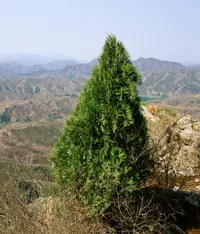
In the first 2–3 years, reduce the watering slightly and avoid staking so the young tree flexes in wind and develops a thicker trunk that will better resist storm damage later.


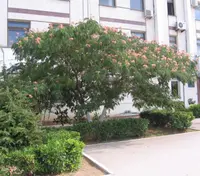
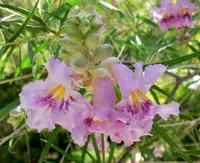
The empress tree, Paulownia tomentosa, is a fast-growing deciduous tree known for its broad leaves and showy, violet, foxglove-like spring flowers. It develops a wide, open crown and can become a large focal point in a landscape when given enough space.
This species is native to China and has naturalized in parts of North America and Europe, often thriving in disturbed or poor soils. It is generally easy to establish due to rapid growth, strong resprouting from roots, and tolerance of urban conditions.
To care for empress tree successfully, provide full sun, well-drained soil, and moderate moisture, and plan ahead for its eventual mature size and vigorous root system.

Care Difficulty
Moderate Care

Light Preference
Full Sun

Water Requirements
Moderate Water

Temperature Preference
Cold Hardy

Hardiness Zone
5–9

Soil Texture
Sandy, Loamy, Clay

Soil pH
Acidic (5.5–6.5), Slightly acidic (6.5–7.0)

Soil Drainage
Well-drained

Fertilization
Minimal (feed rarely)
Scan your plant to receive care tips personalized for your specific plant
Available on iOS and Android
Paulownia tomentosa grows fastest in full sun but tolerates some light shade, especially when young.
This fast-growing tree needs consistent soil moisture during establishment, then becomes more drought tolerant.
This species prefers warm growing seasons and can tolerate winter cold once established.
Paulownia tomentosa tolerates a wide humidity range and usually does not need special humidity management outdoors.
For strong growth, Paulownia tomentosa needs loose, well‑drained mineral soil with ample rooting depth.
This species can be grown in containers for short to medium periods, mainly to control size and placement.
Paulownia tomentosa grows fast and benefits from moderate, targeted feeding on poor soils.
Pruning Paulownia tomentosa shapes the tree, maintains safety, and can direct it toward either timber-like or ornamental growth.
Paulownia tomentosa is usually grown in the ground, so focus on careful transplanting of young trees rather than frequent repotting.
New Paulownia tomentosa plants are commonly raised from seed and root cuttings, but seed-grown trees vary in quality.
Established Paulownia tomentosa trees are fairly cold hardy but young plants benefit from simple winter protection in colder regions.

Plant Health Check
Not sure what's wrong with your plant? Check your plant's health inside the app.
The large heart-shaped leaves are covered in fine hairs (tomentum), which reduce water loss and create a slightly silvery, velvety look when backlit.
It opens tubular, pale violet flowers on bare branches in early spring before leaves emerge, which helps pollinators find the nectar-rich blooms more easily.
The tree was introduced from East Asia to Europe and North America in the 1800s as an ornamental and packing material source, because its lightweight wood was commonly used in shipping crates.

In traditional Japanese culture, a paulownia tree was sometimes planted when a daughter was born, with the intention of harvesting its lightweight, stable wood later to make furniture such as a wedding chest.
This species is among the fastest-growing temperate trees, often adding 1.5–3 m per year in suitable conditions. Growth is fastest in the first 5–7 years, then gradually slows as the canopy and root system mature.
Keep your plants happy and healthy with plant identification, disease detection, and easy care guidance.