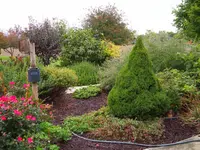
dawn redwood Care (Metasequoia glyptostroboides)

Also known as: Chinese redwood, deciduous redwood
dawn redwood

About dawn redwood

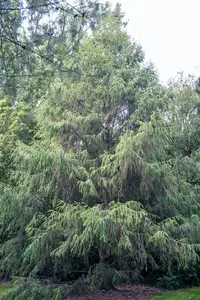
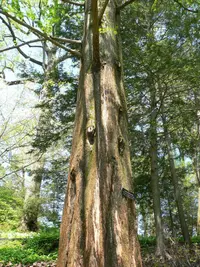
Dawn redwood, Metasequoia glyptostroboides, is a fast-growing, deciduous conifer known for its soft, feathery foliage that turns bronze in fall before dropping. The tree forms a tall, pyramidal shape with a straight trunk and fibrous, reddish-brown bark.

This species is native to central China but is now widely planted in parks and large gardens in temperate regions. It adapts well to many soils if they are moist and prefers full sun and consistent water.

Because of its rapid growth and tolerance of urban conditions, it is considered relatively easy to establish outdoors. Gardeners mainly need to understand how to care for dawn redwood in terms of space, moisture, and long-term size.

Main Plant Requirements

Care Difficulty

Moderate Care

Light Preference

Full Sun

Water Requirements

Regular Water

Temperature Preference

Cold Hardy

Hardiness Zone

4–8

Soil Texture

Loamy, Clay, Organic-rich

Soil pH

Acidic (5.5–6.5), Slightly acidic (6.5–7.0)

Soil Drainage

Moist but well-drained

Fertilization

Minimal (feed rarely)

Get Personalized Care Plan

Scan your plant to receive care tips personalized for your specific plant

Available on iOS and Android

How to Care for the dawn redwood

This deciduous conifer grows best in open sites with abundant direct light.

  • Provide 6–8 hours of direct sun daily; dawn redwood tolerates light afternoon shade in hotter regions.
  • Young trees benefit from morning sun with some protection from intense late-afternoon exposure in summer to limit foliage scorch.
  • In partial shade (3–4 hours sun), growth slows and canopy becomes more open; avoid deep shade, which leads to sparse branching and weak fall color.

This fast-growing tree prefers consistently moist but not stagnant soil.

  • In the ground, aim for soil that feels evenly moist down to 5–8 cm, allowing only the surface 1–2 cm to dry slightly between soakings.
  • Increase watering during hot, dry periods, watching for drooping or browning needle tips as signs of dryness; reduce input in cool, rainy seasons.
  • Use deep, infrequent soakings rather than light sprinkles, and choose soil with good structure so excess water drains away and roots are not submerged.

This species is cold hardy yet appreciates moderate growing-season temperatures.

  • Active growth is strongest around 60–80°F (16–27°C), with good performance in most temperate climates during spring and summer.
  • Established trees tolerate winter lows near -20°F (-29°C) or lower when fully dormant, but young plants benefit from shelter from drying winter winds.
  • During heat waves above 90°F (32°C), provide extra water and mulch to cool the root zone and reduce stress on Metasequoia glyptostroboides.

Humidity is not a major concern for Metasequoia glyptostroboides in typical outdoor conditions.

This species prefers deep, moist, loamy soil with strong structure and consistent moisture retention.

  • Use a mix of roughly 50% sandy loam, 30% compost, and 20% fine bark to provide both moisture retention and aeration.
  • Aim for slightly acidic to neutral pH around 6.0–7.0, avoiding strongly alkaline or saline soils that restrict nutrient uptake.
  • Ensure slow, steady drainage; heavy clay can be improved by incorporating coarse sand and fine pine bark to prevent waterlogging.
  • Avoid compacted or shallow soil layers, which limit root expansion and increase drought sensitivity even when the surface looks moist.

This species can be grown in large outdoor containers for a limited number of years when size is controlled.

  • Choose a tall, heavy container that resists tipping as the trunk thickens and crown becomes more wind-exposed.
  • Select pot materials like thick-walled ceramic or concrete to buffer moisture loss and temperature swings around the root zone.
  • Position the container where wind is partially broken by a structure, reducing leverage on the root ball and preventing rocking that loosens roots.

This deciduous conifer grows well in average soil, but light feeding can support stronger growth in younger dawn redwood trees.

  • Use a balanced slow-release fertilizer (for example, 10-10-10) or a thin layer of mature compost in early spring.
  • Apply 1 time per year for in-ground trees; young container plants can receive a diluted liquid feed every 4–6 weeks in spring–summer.
  • Dilute liquid fertilizers to 1/2 strength to avoid salt buildup and root burn, especially in containers.
  • Stop feeding by late summer and avoid fertilizing during fall–winter dormancy to prevent soft, frost-prone growth.

Pruning helps maintain structure and clearance in Metasequoia glyptostroboides, though heavy shaping is rarely needed.

  • Schedule pruning during late winter or very early spring, before new growth starts.
  • Remove dead, diseased, crossing, or storm-damaged branches first to maintain a stable framework.
  • Thin congested interior branches lightly to improve airflow while keeping the natural pyramidal form.
  • Use sharp bypass pruners or a clean pruning saw, making cuts just outside the branch collar without leaving stubs.

This fast-growing tree is usually planted in the ground, with transplanting most successful while young.

  • Plan transplanting for late winter to early spring while the tree is dormant and soil is workable.
  • Look for circling roots, roots emerging from drainage holes, or slowed growth as signs a container plant needs a larger pot.
  • Shift container plants every 2–3 years into a pot 1–2 sizes larger, using a deep, well-drained, slightly acidic mix.
  • Water deeply before and after moving, keep the root ball intact, and mulch lightly to reduce root stress and moisture loss.

Metasequoia glyptostroboides is commonly propagated from seed or softwood to semi-hardwood cuttings under controlled conditions.

  • Collect ripe cones in late autumn, extract seeds, and cold stratify for 60–90 days at about 35–40°F before sowing.
  • Sow seeds on the surface of a moist, sterile mix, keeping temperatures around 65–70°F and light levels bright but indirect.
  • Take softwood or semi-hardwood cuttings in late spring–summer, 10–15 cm long, from healthy, non-flowering shoots.
  • Use rooting hormone, insert cuttings into a free-draining medium, and maintain high humidity and stable warmth until roots form.

This species is cold hardy in much of the US and usually needs minimal winter care once established.

  • Mature trees tolerate substantial frost, but young plants benefit from extra attention in the first 2–3 winters.
  • Apply a 5–8 cm mulch layer over the root zone in late fall, keeping it a few cm away from the trunk.
  • For container-grown trees, move pots to a sheltered, unheated but frost-moderated area to protect roots from repeated freeze–thaw cycles.

Care Tips

Establish strong leader

In the first 3–5 years, select one straight central stem and remove or shorten competing upright shoots in late winter so the tree develops a single strong leader that resists storm damage as it matures.

Manage surface roots

If planting near paths or structures, maintain a 5–8 ft mulch ring and avoid regular turf irrigation close to the trunk to discourage shallow, surface-running roots that can heave paving over time.

Seasonal root-zone checks

Each spring and fall, gently probe the soil 10–15 cm deep in several spots at the drip line to confirm it stays moist but aerated, then adjust irrigation scheduling or mulch thickness based on how quickly the profile dries.

Snow and wind protection

In exposed sites, use temporary windbreak fabric and gently knock off heavy snow loads from young flexible branches to reduce the risk of bending and breakage while the framework wood is still developing.

Low-branch management

Plan for the tree’s mature size by deciding early which lower branches will be removed for clearance, then raise the canopy gradually over several years by taking off a few lower branches at a time to minimize stress when growing dawn redwood.

Common Pests and Diseases

Cercospora needle blight

This disease causes browning, spotting, and premature shedding of the soft needles, often starting on lower, interior branches in humid conditions.

Solution

Prune out and destroy affected twigs to reduce inoculum, improve air circulation by thinning crowded branches, and avoid overhead irrigation; in landscapes with recurring problems, a labeled copper or chlorothalonil fungicide applied in late spring can help protect new foliage as part of broader Metasequoia glyptostroboides care.

Botryosphaeria canker

This disease produces sunken, discolored patches on branches and stems, leading to dieback of individual shoots or entire branch sections, especially in drought-stressed trees.

Solution

Cut out infected branches several inches below visible symptoms, disinfect pruning tools between cuts, and reduce stress by watering during dry periods and avoiding trunk damage so the tree can compartmentalize the infection more effectively.

Phomopsis twig blight

This disease causes tip dieback of young shoots, with needles turning dull brown and remaining attached, often following physical damage or environmental stress.

Solution

Prune and discard blighted tips during dry weather, improve site drainage and airflow, and avoid excessive nitrogen fertilization; where the problem is persistent, use a labeled preventative fungicide on new growth in spring to reduce infection of tender tissues.

Sequoia pitch moth

This insect larva tunnels into the trunk or larger branches, leading to conspicuous pitch masses (resin blobs) and localized weakening of the wood around the feeding site.

Solution

Physically remove larvae from fresh pitch masses with a knife or wire when feasible, avoid pruning or wounding the tree during peak moth activity to reduce attraction, and maintain tree vigor with proper watering and mulch so it can better wall off minor injuries.

Bark beetles

These insects bore into stressed or weakened trees, creating small entry holes and galleries under the bark, sometimes leading to rapid decline and branch dieback.

Solution

Focus on prevention by avoiding drought stress, soil compaction, and mechanical trunk damage, promptly remove and dispose of severely infested or dead material, and in high-risk areas consider consulting a certified arborist about timing and need for targeted trunk sprays on valuable specimens.

Interesting Facts

Living fossil rediscovered

This species was first described from fossils and thought extinct until living trees were discovered in central China in the 1940s, making it a classic example of a living fossil in botany.

Deciduous conifer habit

Unlike most conifers, it sheds its soft, feathery needles each autumn, turning orange-brown before dropping, then refoliating with fresh light-green growth in spring.

Fast juvenile growth

Young trees can grow very quickly under suitable conditions, which is why many arboreta and parks use it as a demonstration species for studying tree growth and adaptation.

Botan icon

Did you know?

Genetic and fossil evidence show that this species once had a broad natural range across the Northern Hemisphere during the Paleogene and Neogene periods, but today its wild population is naturally restricted to a small area in south-central China, making it both globally widespread in cultivation and geographically rare in the wild.

FAQs about dawn redwood

This species is considered fast-growing, often adding 30–90 cm in height per year when young. Growth is quickest in deep, moist, well-drained soil with consistent moisture and adequate space for roots and canopy expansion.

Grow Healthy Plants with Botan Care

Keep your plants happy and healthy with plant identification, disease detection, and easy care guidance.

Botan plant care app — identify plants on mobile

Explore More Plants