Best Soil for dawn redwood (Metasequoia glyptostroboides)

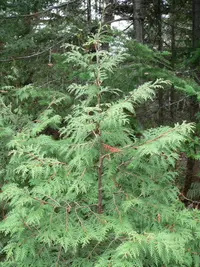
Metasequoia glyptostroboides grows best in moisture-retentive, well-aerated soil with a slightly acidic to acidic reaction that supports steady root development.

Soil Texture

Loamy, Clay, Organic-rich

Soil pH

Acidic (5.5–6.5), Slightly acidic (6.5–7.0)

Soil Drainage

Moist but well-drained

Metasequoia glyptostroboides Soil Guide

Native to central China, Metasequoia glyptostroboides comes from valley bottoms and streamside areas where soil stays consistently moist yet still has air around the roots. That background explains its preference for soil that holds moisture without becoming stagnant or tightly compacted.

The best soil for dawn redwood is loamy to clay-loam with plenty of organic matter. This texture supports a broad, fibrous root system by balancing water retention, drainage, and oxygen, while slightly acidic to near-neutral conditions suit steady root function and nutrient uptake.


A custom mix helps balance moisture retention with air space for Metasequoia glyptostroboides, especially in containers where texture matters more than in-ground soil.

100% total mix = 20 scoops
15%
perlite or pumice3 scoops
20%
pine bark fines4 scoops
25%
compost or leaf mold5 scoops
40%
loam-based potting soil8 scoops

The finished blend should feel crumbly, slightly springy, and evenly moist, with water moving through at a moderate pace rather than pooling quickly or sitting heavily.

A good target is 5.5–6.8 pH. This species prefers acidic to slightly acidic soil, where iron, manganese, and other nutrients usually remain more available to the roots.

Dawn redwood can handle a mildly broader range, but growth is typically steadier when the root zone stays near that window instead of drifting toward alkaline conditions.

This species handles consistent moisture well, but root-zone conditions can still shift in containers or compacted ground. Dawn redwood often responds poorly when oxygen around the roots becomes limited.

Compaction:

Heavy, pressed-down soil can slow root growth and leave the surface hard; gently loosen only the top layer and reduce foot traffic or pressure on the container.

Waterlogging:

A sour smell, lingering saturation, or very slow drainage can point to trapped excess moisture; first check drainage holes and remove any saucer water promptly.

Hydrophobic mix:

If dry soil shrinks from the pot edge or water runs straight through, rewet gradually in small passes so the root ball can absorb moisture again.

Salt buildup:

A crust on the soil surface can develop from minerals over time; flush the pot thoroughly once and let excess water drain away fully.

Soil Help, Fast

Botan helps match this plant to a more suitable soil setup based on its growth habit, container conditions, and visible cues.

FAQ

Yes. A deeper pot gives roots more room to spread downward and helps buffer quick drying near the bottom, which supports a more stable dawn redwood soil environment over time.

Everything About dawn redwood

More Plant Soil Guides

Could It Be the Soil?

Soil may be one factor behind stress signs. Botan’s photo-based assessment can help you decide whether the root zone is worth a closer look.

Botan app helping with soil and plant care
20 Funny Plant Names That Make You Laugh

8 min read · 16 Oct 2026

20 Funny Plant Names That Make You Laugh

Some plants carry names that sound like jokes. This guide explains the origins of 20 funny plant names. You will also see which of these plants you can grow at home.

Plant Recommendations
20 Funny Plant Names That Make You Laugh
How to Repot a Plant: A Step-by-Step Guide

7 min read · 28 May 2026

How to Repot a Plant: A Step-by-Step Guide

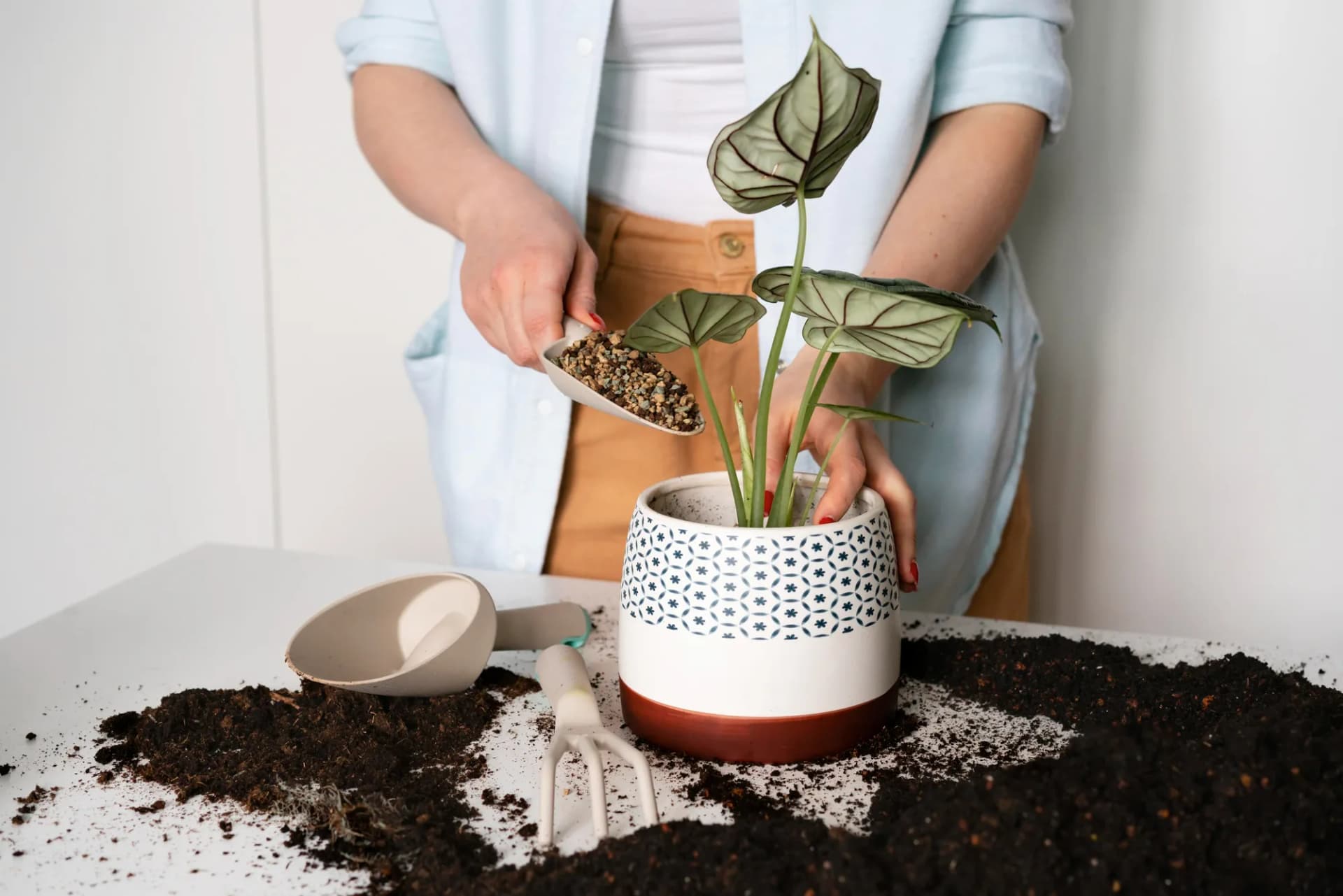
In spring, many plants need repotting—an essential part of care. To avoid stress, consider the plant’s type and size. This article offers a step-by-step guide for repotting indoors or outdoors and shows how to check plant health and get care tips using the Botan App.

Plant Care
How to Repot a Plant: A Step-by-Step Guide
What Do Plants Need to Grow – 5 Things Every Greenery Can't Live Without

8 min read · 31 Jul 2026

What Do Plants Need to Grow – 5 Things Every Greenery Can't Live Without

To keep plants healthy and thriving, provide the right balance of light, humidity, nutrients, airflow, and quality soil. This guide covers the essentials of year-round plant care.

Beginner Guides
What Do Plants Need to Grow – 5 Things Every Greenery Can't Live Without