Best Soil for Joshua tree (Yucca brevifolia)

Yucca brevifolia grows best in fast-draining, mineral-rich soil that supports healthy root function and limits prolonged moisture around the roots.

Soil Texture

Sandy, Rocky, Loamy

Soil pH

Neutral (7.0), Slightly alkaline (7.0–7.5)

Soil Drainage

Well-drained

Yucca brevifolia Soil Guide

Native to the Mojave Desert of the southwestern United States, Yucca brevifolia grows in dry, open ground where water moves through the soil quickly. Its natural habitat includes sandy, rocky, and loamy mineral soils with very little lingering moisture.

The best soil for Joshua tree is sharply drained and airy rather than rich or moisture-retentive. This suits a root system adapted to brief wet periods followed by long dry stretches, helping roots access oxygen and avoid staying damp for too long. Neutral to slightly alkaline Joshua tree soil also reflects the conditions of its native desert range.


A homemade mix works well when standard potting soil feels too dense for Yucca brevifolia. The goal is a coarse blend that stays open over time.

100% total mix = 20 scoops
15%
small gravel or crushed granite3 scoops
20%
cactus potting soil4 scoops
30%
pumice or perlite6 scoops
35%
coarse sand7 scoops

The finished mix should feel gritty, loose, and weighty enough to anchor roots while letting water pass through quickly.

A good target for Joshua tree is about 7.0–7.5 pH, which places it in neutral to slightly alkaline soil. That range generally supports steady nutrient availability without pushing the root zone too far acidic.

Yucca brevifolia can handle a fairly modest shift around that level, but strongly acidic soil may reduce access to key minerals over time. A simple pH test is useful when growth seems limited for no clear reason.

This species is more sensitive to lingering root-zone moisture than to lean nutrition. Several soil-related issues can be checked early before they build up.

Compaction:

Compaction: Soil that settles into a dense mass can limit air around the roots, so loosen the surface gently and replace heavy mix at the next soil change.

Slow drying:

Slow drying: If the root zone stays damp for long periods, check whether the container drains freely and move the plant into a faster-draining medium if needed.

Salt buildup:

Salt buildup: A white crust on the soil surface can come from minerals in water or leftover fertilizer, so scrape off the top layer and refresh with clean mix.

Organic breakdown:

Organic breakdown: As Joshua tree soil ages, fine particles can accumulate and reduce airflow, so refresh the medium when it starts feeling dense and flat instead of open.

Better Soil Starts Here

Botan helps match this plant to a more suitable soil setup based on its needs, growth habit, and the conditions in your home.

FAQ

Yes. Drainage holes are important because they let excess water leave the container instead of collecting around the roots, which helps keep the root zone more stable and reduces the risk of staying wet too long.

More Plant Soil Guides

Check What the Soil Is Doing

If a plant looks off, Botan’s photo-based assessment can help you check whether soil conditions may be part of the problem.

Botan app helping with soil and plant care
20 Most Popular Fruits Around the World

7 min read · 22 Jul 2026

20 Most Popular Fruits Around the World

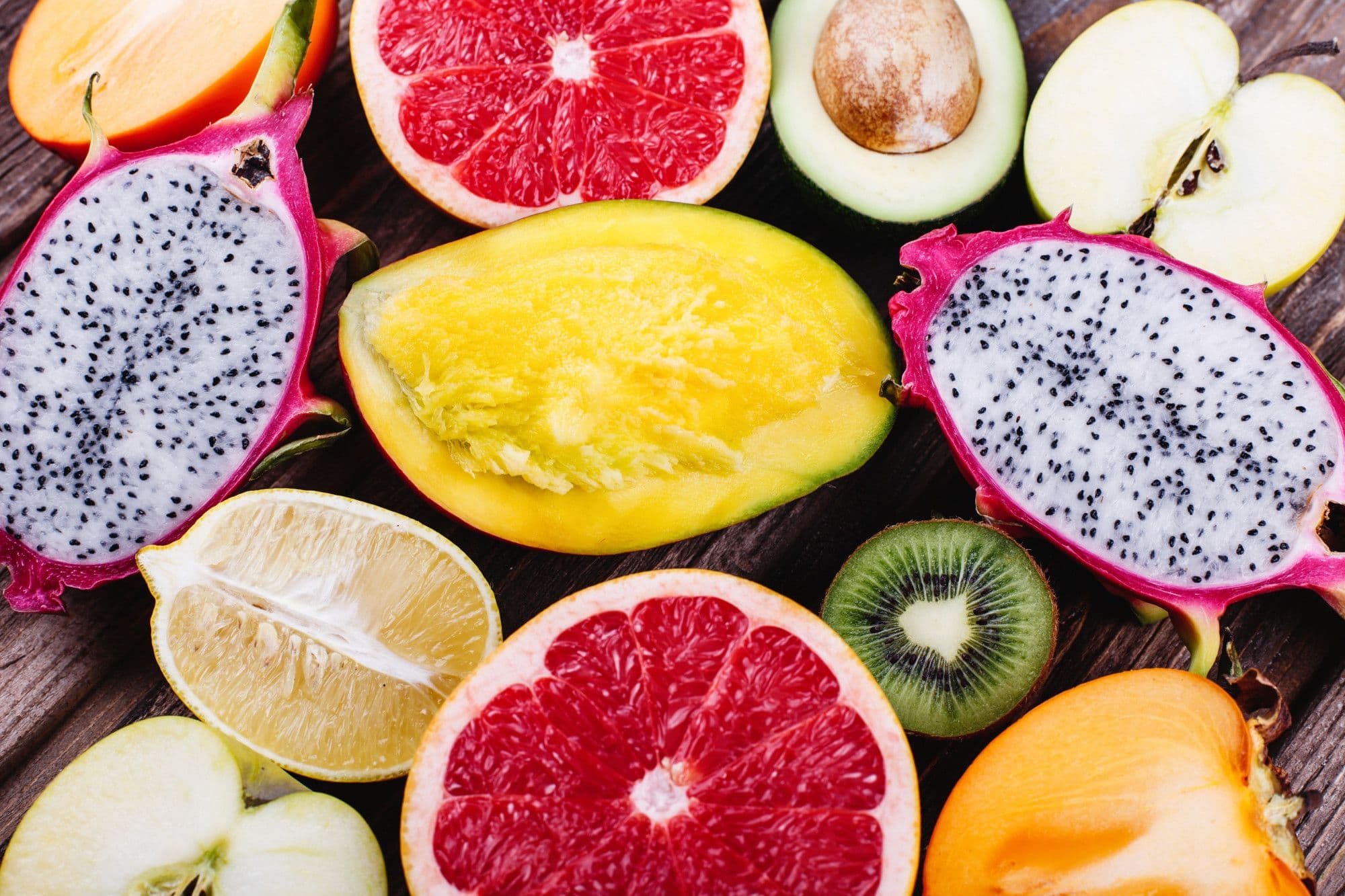
Curious which fruits the world actually eats the most? Here's the top-20 by production volume, an overview of what people choose in each region, and a few figures that defy common assumptions.

Plant Recommendations
20 Most Popular Fruits Around the World
12 Best Plants That Repel Spiders For Your Home and Garden

8 min read · 24 Jul 2026

12 Best Plants That Repel Spiders For Your Home and Garden

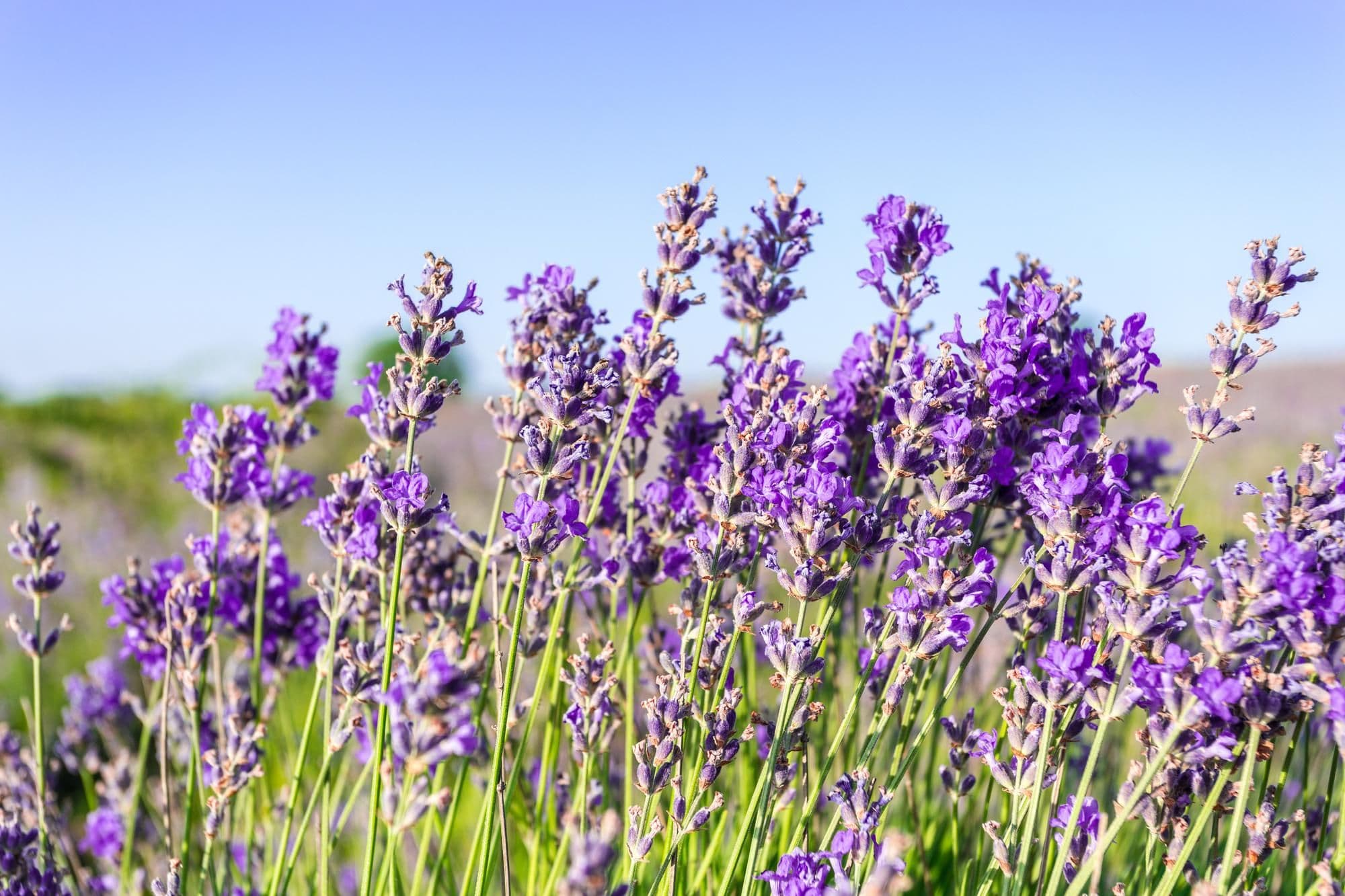
Spiders constantly appear in places you don't want them. A few common plants can help repel them using scent alone. Here are 12 options suitable for both indoors and outdoors, plus care tips for each.

Plant Recommendations
12 Best Plants That Repel Spiders For Your Home and Garden
How to Increase Humidity for Plants – 8 Simple Ways That Work

8 min read · 14 Aug 2026

How to Increase Humidity for Plants – 8 Simple Ways That Work

Dry indoor air stresses a lot of houseplants. You usually notice it first in the browning leaf tips. This guide describes 8 simple ways to raise the moisture around your plants, from humidifiers to pebble trays.

Plant Care
How to Increase Humidity for Plants – 8 Simple Ways That Work