20 Most Popular Fruits Around the World
Curious which fruits the world actually eats the most? Here's the top-20 by production volume, an overview of what people choose in each region, and a few figures that defy common assumptions.

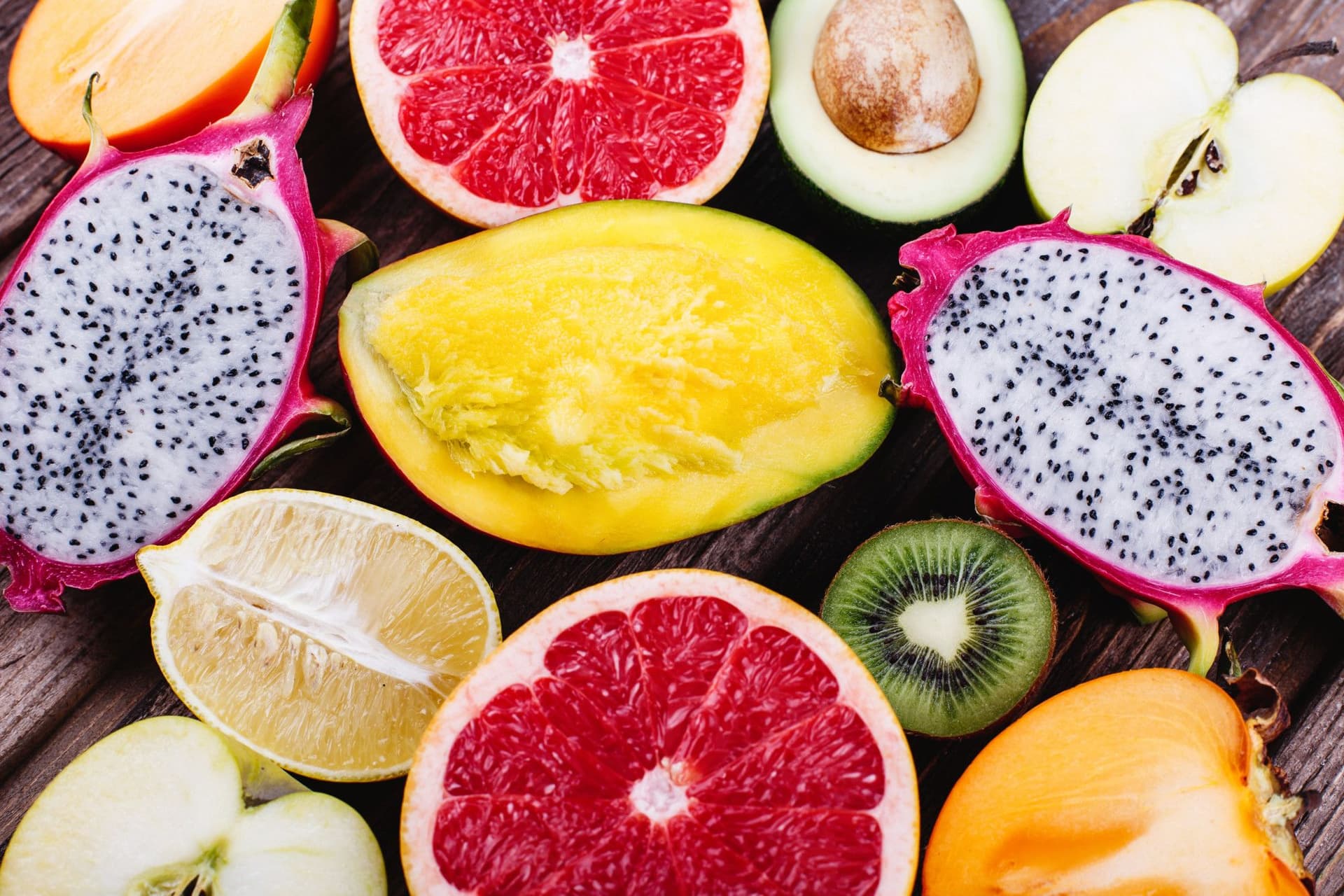
Most popular fruits are usually what you already have in your kitchen: bananas, apples, a couple of oranges. But the bigger picture runs wider than that. This guide covers what the world grows most and what people actually eat, region by region. If you come across one you can't name, a quick photo will help you identify a fruit right on the spot.
What Is the Most Popular Fruit
If you want to know what the most popular fruit is, it's the banana. According to FAO, farmers grow around 135 million tonnes of bananas a year, well ahead of anything else. The reasons are simple: bananas are cheap, easy to transport, and they grow year-round in the tropics.
India produces the most bananas, followed by China and the Philippines. This popular fruit belongs to Japanese bananas, although almost every store sells the same variety — the Cavendish. Price plays a big role here. Bananas are cheaper than most snacks, which is one of the reasons they outsell all other fruits on store shelves.


Your Personalized Care Plan
Get personalized plant care recommendations in the app
Top-20 Most Popular Fruits in the World
Production numbers show what's grown on a large scale, and that's not always what's available at your local grocery store. Here are the top fruits, ranked by annual global production.
Rank | Fruit | Annual production (million tonnes) | Top producer |
1 | ~135 | India | |
2 | ~105 | China | |
3 | Apples | ~97 | China |
4 | ~72 | China | |
5 | Oranges | ~70 | Brazil |
6 | ~62 | Indonesia | |
7 | Mangoes, guavas, mangosteens | ~60 | India |
8 | Tangerines & mandarins | ~40 | China |
9 | Pineapples | ~30 | Indonesia |
10 | Pears | ~26 | China |
11 | Peaches & nectarines | ~26 | China |
12 | Lemons & limes | ~24 | India |
13 | Papayas | ~14 | India |
14 | ~12 | China | |
15 | ~10 | Mexico | |
16 | ~10 | China | |
17 | Dates | ~9.7 | Egypt |
18 | Grapefruit & pomelo | ~9.5 | China |
19 | Kiwifruit | ~4.5 | China |
20 | ~4 | Turkey |
As mentioned on Statista, global fruit production last year reached 953.8 million tonnes, with China leading the supply with nearly 274 million tonnes.

Most Consumed Fruits by Region
Ask people in two different countries to name a popular fruit, and you'll often get two different answers. Weather, price, and simple habits determine what ends up on their plates. Below you'll find popular fruits for six regions and the approximate percentages of consumption of each one in local markets.
North America
Bananas and apples lead the way in this region. They are cheap, available year-round, and can withstand transportation on the road. According to the USDA figures, bananas have ranked first among fresh fruits for many years. Here are the most consumed species in North America:
- Bananas (~24%) – the cheapest per pound in most US stores.
- Apples (~18%) – consumed fresh and as juice in almost equal quantities.
- Oranges (~12%) – consumed more as juice than whole.
- Grapes (~10%) – seedless table varieties accounted for most of the growth.
- Strawberries (~8%) – the only berry that continues to climb in the rankings.
Blueberries have quietly risen in the rankings over the past decade, largely due to healthy eating trends. The remaining berries remained virtually unchanged.
Latin America
Here, fruits grow close to home, which keeps them tropical and cheap. For this reason, the list of popular fruits in Latin America is dominated by those grown in warm climates:
- Bananas and plantains (~26%) – plantains are cooked; dessert bananas are not.
- Oranges (~16%) – Brazil processes most of the harvest into juice.
- Mangoes (~12%) – sold fresh, mixed, or dried on the street.
- Papaya (~9%) – a popular breakfast in most of the region.
- Pineapples (~8%) – used in local dishes and for export.
Costa Rica and Ecuador are heavily export-oriented, so much of the harvest never reaches the tables of nearby consumers.

Asia
Asia grows and consumes more fruit than anywhere else, and China makes a significant contribution to this total. Local popular fruits fluctuate with the seasons, from watermelons in the heat to mangoes when the rains begin:
- Bananas (~20%) – grown and consumed throughout the tropics.
- Apples (~16%) – China alone accounts for the majority of the world's harvest.
- Watermelons (~14%) – consumed in the hot summer.
- Mangoes (~12%) – in India, the mango season is considered an event.
- Tangerines (~10%) – easy to peel, so they are sold as an everyday snack.
China also grows a huge amount of grapes, using the common grape vine for that. This plant is the species from which both table grapes and most wines are produced.
Europe
So, what is the most popular fruit in Europe? Apples take the first position in most countries. Europe has a temperate climate, although bananas are available year-round, regardless of season. Here are the top 5 species purchased there:
- Apples (~22%) – the clear leader, from north to south.
- Oranges (~15%) – Spain supplies most of the continent.
- Bananas (~14%) – imported, and their prices are stable regardless of season.
- Grapes (~11%) – eaten fresh and used to make wine.
- Peaches and pears (~8%) – the short summer season makes them seasonal.
The North of the region imports far more than it grows, while Mediterranean countries primarily grow their own fruit. This difference explains why the same species has such vastly different prices across Europe.

Africa
Fruit consumption habits in Africa vary dramatically from the northern coast to the south. They are used not only as snacks but also as full meals. Bananas and plantains take a central place among the top fruits in Africa:
- Bananas and plantains (~28%) – eaten as staples across much of the continent.
- Mangoes (~15%) – fresh and available throughout the season.
- Oranges (~12%) – grown at both ends of the continent.
- Watermelons (~9%) – prized for both their water content and flavor in arid regions.
- Pineapples (~7%) – common wherever there is sufficient rainfall.
The amount of fruit available on the market depends on the amount of rainfall throughout the year. The dry season can lead to a reduction in the overall assortment.
Oceania
In Australia and New Zealand, temperate and tropical fruits sit on the same shelves. Ask an Australian which one is popular, and you'll likely hear bananas or mangoes rather than apples. The actual figures still place bananas and apples first, close to the North American pattern:
- Bananas (~22%) – a cheap, default option, primarily grown in Queensland.
- Apples (~18%) – both Australia and NZ grow them in large quantities.
- Oranges (~13%) – more often used for juice than for eating whole.
- Grapes (~10%) – a table delicacy and also in high demand in winemaking.
- Melons (~9%) – a popular summer treat in both Oceania countries.
Local cultivation guarantees high quality and reduces shipping times. Imports mainly cover the shortage of tropical fruits, which don't grow so far south.

6 Surprising Facts About Global Fruit Consumption
There are some strange facts about fruit consumption around the world. Some of them remain relevant:
- China grows nearly 28% of all fruit on Earth.
- People eat over 100 billion bananas per year.
- Global fruit production exceeded 950 million tons in the previous year.
- Availability of bananas for consumption in the USA is 26.8 pounds per capita.
- There are over 1,000 varieties of bananas, but one variety occupies almost all store shelves.
- Strawberries are not true berries, but bananas technically are.
Despite the variety, most fruit is consumed by a small number of different crops.
FAQ
Bananas, by a wide margin. They are cheap, they are ripe the day you buy them, and nearly every shop has them in stock.
Dariia Plaksina
Botanist
5 years of botanical research experience
Dariia Plaksina is a biologist, botanist, and writer of informational articles with over 5 years of experience exploring the world of plants, nature, and biology. She studied at Taras Shevchenko National University of Kyiv, Educational and Scientific Center “Institute of Biology and Medicine,” where she built a strong scientific foundation for her future work.
For Dariia, writing is a hobby, a calling, and a way to make reliable knowledge easier to understand. Her articles focus on plant care, plant health, and natural processes, helping readers learn more about the living world through clear, accessible, and science-based explanations.
Related Articles
4 min read · 20 Oct 2026
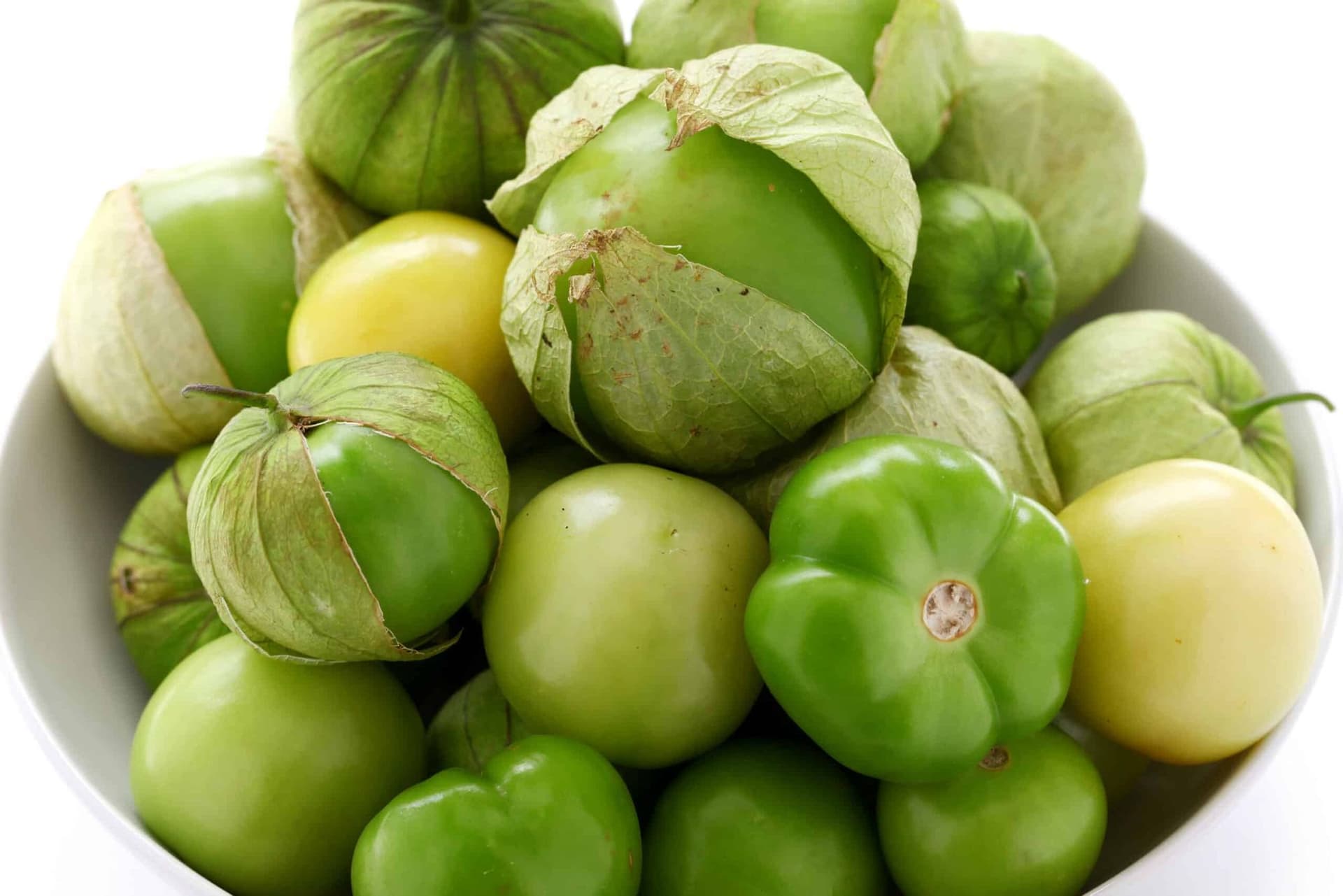
When to Harvest Tomatillos: How to Tell When They're Ripe
Tomatillos grow inside papery husks, making it hard to judge ripeness at a glance. This guide explains how to know when tomatillos are ripe and offers practical advice on harvesting and storage.
8 min read · 16 Oct 2026
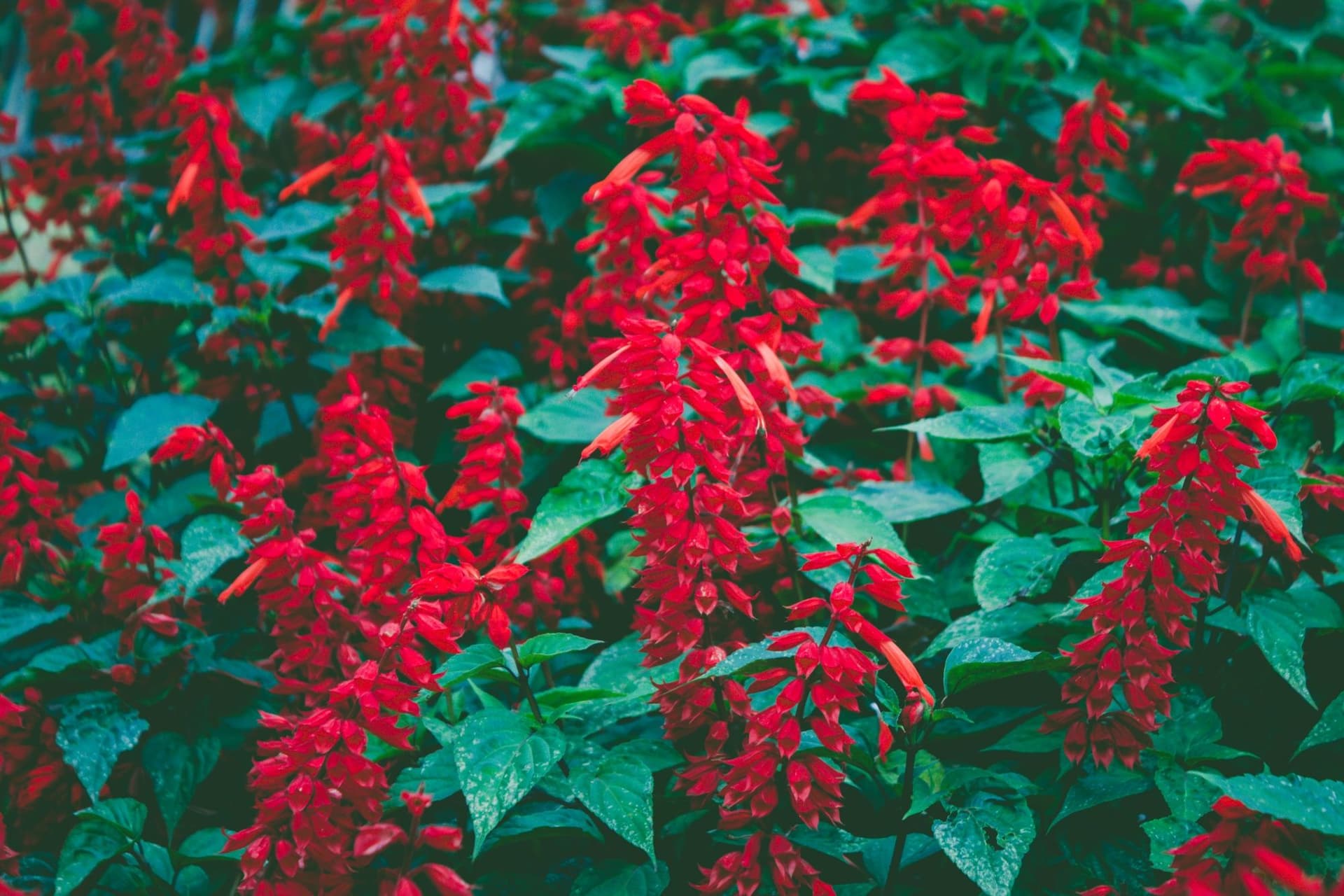
20 Funny Plant Names That Make You Laugh
Some plants carry names that sound like jokes. This guide explains the origins of 20 funny plant names. You will also see which of these plants you can grow at home.
7 min read · 13 Oct 2026
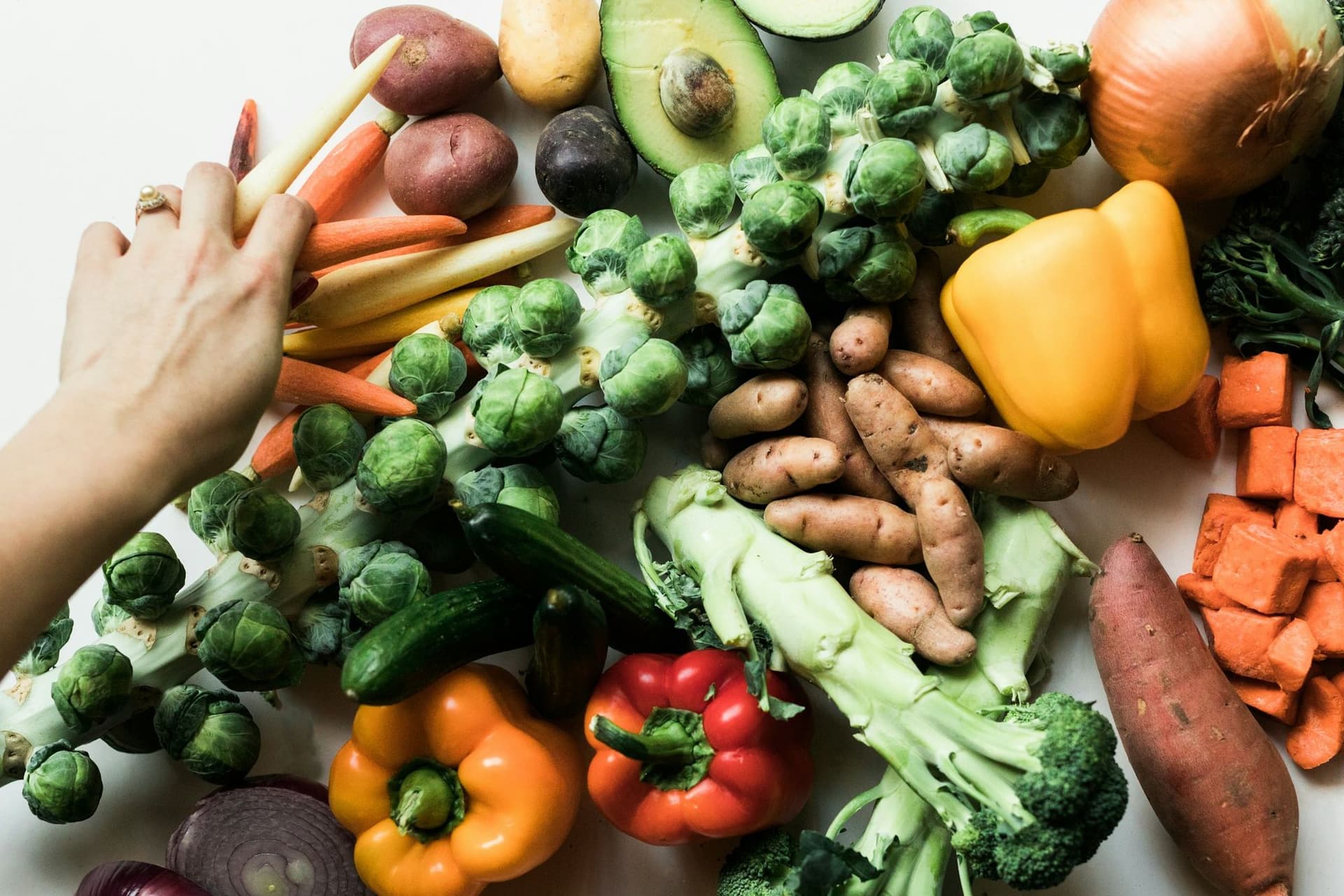
12 Best Cold-Hardy Vegetables for Cold Weather
Cold-hardy vegetables can keep a garden productive through chilly fall, winter, and early spring weather. This guide covers 12 reliable crops, their frost tolerance, and practical growing tips for better cold-season harvests.
Explore Plants by Care Needs




Identify the plant and problem. Help your plant recover
Identify plant problems early, understand what's wrong, and get clear care guidance. Botan helps you turn guesswork into confident plant care