12 Best Cold-Hardy Vegetables for Cold Weather
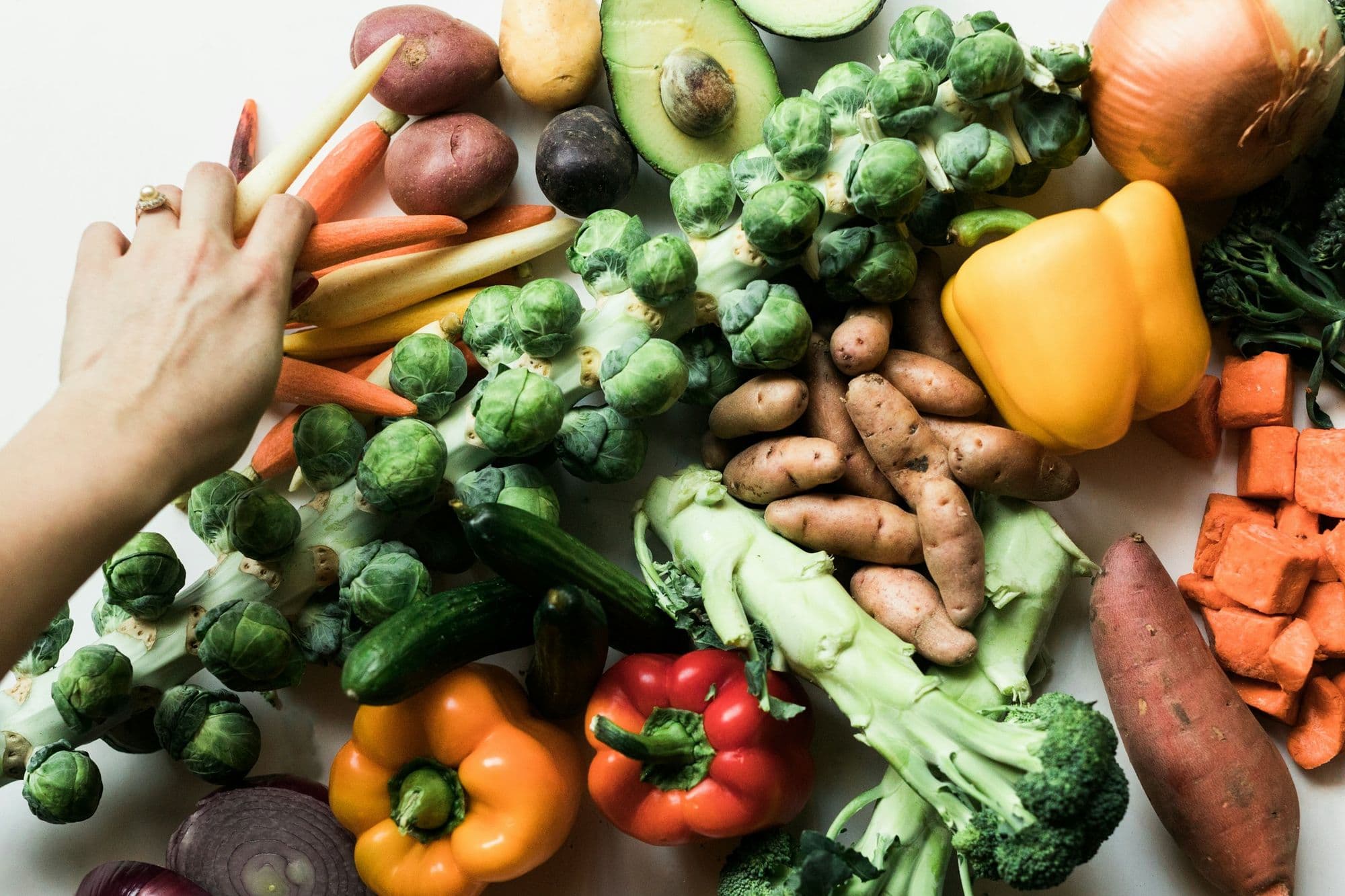
Cold-hardy vegetables can keep a garden productive through chilly fall, winter, and early spring weather. This guide covers 12 reliable crops, their frost tolerance, and practical growing tips for better cold-season harvests.

On this page
- 1. Kale (Brassica oleracea)
- 2. Spinach (Spinacia oleracea)
- 3. Carrot (Daucus carota subsp. sativus)
- 4. Beet (Beta vulgaris)
- 5. Collard Greens (Brassica oleracea)
- 6. Cabbage (Brassica oleracea)
- 7. Brussels Sprouts (Brassica oleracea)
- 8. Turnips (Brassica rapa)
- 9. Leek (Allium ampeloprasum)
- 10. Arugula (Eruca vesicaria)
- 11. Swiss Chard (Beta vulgaris)
- 12. Wild Parsnip (Pastinaca sativa)
- How to Grow Vegetables in Cold Weather
Want fresh organic products in fall, winter, and early spring? Plant cold-hardy vegetables that tolerate low temperatures and frost. In this Botan guide, discover 12 crops for the cold season and learn how to grow them. Start with the table below to compare options for your garden.
Vegetable | Best edible parts | Frost tolerance | Winter growing potential |
Leaves | Very high | Excellent in mild climates | |
Leaves | High | Excellent with cover | |
Roots | Moderate to high | Good if mulched | |
Roots and greens | Moderate | Good in mild winters | |
Collard greens | Leaves | High | Excellent in mild climates |
Heads | High | Good with protection | |
Buds | High | Good | |
Roots and greens | High | Good with mulch | |
Bulbs and leaves | High | Good | |
Leaves | Moderate to high | Good with cover | |
Leaves and stems | Moderate | Fair to good | |
Roots | Very high | Excellent in ground |
Before choosing what to plant, it’s important to correctly recognize young crops, especially when several brassicas or leafy greens look similar as seedlings, by using a vegetable identifier by picture. And the list of vegetables from Botan can help you to compare crop names, cold-tolerant vegetables, and harvest options for colder weather.
1. Kale (Brassica oleracea)
.jpg%3F2026-10-13T04%253A29%253A55.725Z&w=2880&q=75)
Kale is one of the most frost-tolerant vegetables. This plant, with large wavy green leaves and purple veins, often keeps producing after repeated light frosts.
Cool weather can improve its flavor by subsiding bitterness and sweetening the leaves. Kale grows well in fall beds, winter tunnels, and early spring gardens.
- USDA Hardiness Zone: 2-11
- Frost tolerance: Very high
- Temperature tolerance: −7 to −2°C when established
- Winter growing: Excellent in mild climates or under row cover
Your Personalized Care Plan
Get personalized plant care recommendations in the app
2. Spinach (Spinacia oleracea)
.jpg%3F2026-10-13T04%253A30%253A50.372Z&w=2880&q=75)
Spinach, valued for fast growth and deep-green leaves with a rich savory flavor, is one of the cold-climate crops. According to North Carolina Extension, it thrives in cool soil and short spring and fall days, especially when planted early enough to form a strong root system before hard freezes.
- USDA Hardiness Zone: 2-11
- Frost tolerance: High
- Temperature tolerance: Survives light frost and may overwinter
- Winter growing: Excellent with mulch or row cover
3. Carrot (Daucus carota subsp. sativus)
.jpg%3F2026-10-13T04%253A32%253A03.179Z&w=2880&q=75)
If you want to harvest in late fall or early winter, pay attention to carrots. These orange, cold-tolerant vegetables thrive best when their roots are already sized before severe weather arrives.
Light frost can damage carrot sweetness, while a thick layer of mulch serves as protection for the soil around the roots from freezing solid.
- USDA Hardiness Zone: 3-11
- Frost tolerance: Moderate to high
- Temperature tolerance: Roots tolerate cold soil better than exposed tops
- Winter growing: Good if heavily mulched
Plan to harvest during the cold season?
Know what’s growing before frost
4. Beet (Beta vulgaris)
.jpg%3F2026-10-13T04%253A33%253A58.767Z&w=2880&q=75)
Beets are useful cold-hardy crops because both the roots and greens are edible. The roots tolerate chilly soil, while the tops may show damage after stronger freezes. For best results, sow beets early in spring so that roots mature before repeated hard frosts reduce leaf growth.
- USDA Hardiness Zone: 2-10
- Frost tolerance: Moderate
- Temperature tolerance: Often survives temperatures around −3 to −2°C
- Winter growing: Good in mild climates with cover
5. Collard Greens (Brassica oleracea)
.jpg%3F2026-10-13T04%253A34%253A57.372Z&w=2880&q=75)
Collard Greens are a traditional frost-hardy vegetable with thick, leathery leaves and strong frost resistance. They grow more slowly in winter but can remain harvestable for weeks in cool conditions. For the best crop, North Carolina Extension advises providing adequate nitrogen.
- USDA Hardiness Zone: 6-10
- Frost tolerance: High
- Temperature tolerance: Established plants tolerate light freezes well
- Winter growing: Excellent in mild winter areas
6. Cabbage (Brassica oleracea)
.jpg%3F2026-10-13T04%253A35%253A52.975Z&w=2880&q=75)
Cabbage is one of the hardy crops because it performs well in fall gardens when loose heads of large green or blue-green leaves develop before deep winter cold.
Firm vegetables tolerate frost better than young, loose plants, but repeated freezing and thawing can damage texture. So, choose storage varieties with frost survival features.
- USDA Hardiness Zone: 3-9
- Frost tolerance: High
- Temperature tolerance: Mature plants tolerate hard frost better than seedlings
- Winter growing: Good with protection
7. Brussels Sprouts (Brassica oleracea)
.jpg%3F2026-10-13T04%253A36%253A54.285Z&w=2880&q=75)
Brussels sprouts are known for their small round cabbage-like buds. This vegetable that grows in cold weather develops a sweeter flavor when exposed to frost.
Its buds mature gradually from the bottom upward, extending the harvest window. Plant Brussels sprouts early enough in the amended garden soil because they need a long season before cold weather improves their flavor.
- USDA Hardiness Zone: 3-10
- Frost tolerance: High
- Temperature tolerance: Established plants tolerate repeated frosts
- Winter growing: Good in long, cool seasons
8. Turnips (Brassica rapa)
.jpg%3F2026-10-13T04%253A38%253A12.462Z&w=2880&q=75)
To add a root vegetable with good cold tolerance to your garden, plant turnips. These quick-growing crops provide both edible roots and leafy greens which you can use for salads. They grow fast in fall and can be harvested young for tender roots or later for storage use.
- USDA Hardiness Zone: 2-9
- Frost tolerance: High
- Temperature tolerance: Established crops tolerate light freezes
- Winter growing: Good with mulch or cover
9. Leek (Allium ampeloprasum)
.jpg%3F2026-10-13T04%253A39%253A06.452Z&w=2880&q=75)
Leeks are valued for their ability to stand in the garden after tomatoes, cucumbers, and other vegetables are finished. Their thick stems and upright leaves handle cold weather well, especially when soil is mulched around the base.
You can use bulbs and leaves with a fairly strong leek and garlic-like taste for winter soups and stews.
- USDA Hardiness Zone: 3-10
- Frost tolerance: High
- Temperature tolerance: Hardy varieties tolerate repeated frost
- Winter growing: Good to excellent, depending on variety
10. Arugula (Eruca vesicaria)
.jpg%3F2026-10-13T04%253A40%253A03.210Z&w=2880&q=75)
Arugula is widely used in fresh salads and variegated dishes for its peppery flavor. As North Carolina Extension lists, this annual vegetable grows quickly in moist, rich soil in the cool spring and fall.
Although it is less durable than kale or collards, it performs well in fall beds and protected winter plantings.
- USDA Hardiness Zone: 3-11
- Frost tolerance: Moderate to high
- Temperature tolerance: Survives light frost, especially when established
- Winter growing: Good under cover
11. Swiss Chard (Beta vulgaris)
.jpg%3F2026-10-13T04%253A41%253A38.541Z&w=2880&q=75)
Combination of large fleshy leaves, coloured stems, and spinach-like taste with beet undertone makes Swiss chard a good green for salads, soups, pasta, and stew. It is productive in cool seasons, although it is not as freeze-resistant as spinach or kale.
- USDA Hardiness Zone: 2-11
- Frost tolerance: Moderate
- Temperature tolerance: Tolerates light frost but needs protection from hard freezes
- Winter growing: Fair to good in mild climates
12. Wild Parsnip (Pastinaca sativa)
.jpg%3F2026-10-13T04%253A42%253A59.200Z&w=2880&q=75)
If you want roots that can stay in the ground during the colder months, parsnip is a good choice. This biennial, cool-season vegetable develops a sweeter flavor after exposure to frost. Mulch deeply before the soil freezes so roots remain easier to dig during winter.
- USDA Hardiness Zone: 2-9
- Frost tolerance: Very high
- Temperature tolerance: Roots tolerate freezing conditions in protected soil
- Winter growing: Excellent when mulched
How to Grow Vegetables in Cold Weather
To grow crops during the cold season effectively, keep in mind the following practical tips:
- Choose proven frost-tolerant vegetables such as kale, spinach, carrots, collards, and turnips.
- Plant early enough for crops to mature before deep cold.
- Protect young seedlings with row cover during sudden temperature drops.
- Add mulch around roots to moderate soil temperature.
- Water vegetables before a freeze if the soil is dry, but avoid waterlogged beds.
- Harvest damaged leaves after thawing, not while frozen.
- Use cold frames, low tunnels, or hoop covers to add protection.
Using these recommendations in practice ensures cold-season success before the first frost arrives. After all, most vegetables need enough time to germinate, form roots, and reach a sturdy size before short days and low temperatures slow growth.
FAQ
You can grow kale, spinach, collards, leeks, carrots, parsnips, turnips, cabbage, arugula, and some beets in winter, depending on your climate. In colder regions, winter growing usually requires mulch, row covers, cold frames, or tunnels to protect plants from repeated hard freezes.
Anastasiia Vasylchyshyna
Botanist
5+ of botanical experience
Anastasiia Vasylchyshyna studied biology at Taras Shevchenko National University of Kyiv, at the Educational and Scientific Center "Institute of Biology and Medicine." That academic grounding shaped how she approaches every article: start with the science, end with something a plant owner can actually act on.
Over the years, she's written dozens of articles on plant care and plant pathology — covering everything from seasonal plant picks, garden prep, propagation and pruning guides, and the everyday mistakes that harm houseplants. Her goal isn't just to answer a question, but to help readers understand why a plant behaves the way it does, so they can spot problems on their own next time.
Related Articles
8 min read · 9 Oct 2026
15 Best Scary Halloween Plants and Fungi for a Spooky Garden
Want a garden that looks eerie in October? Here are 15 Halloween plants and fungi, from carnivorous traps to bleeding mushrooms. For each species, we cover its appearance, care requirements, and potential uses in your landscape.
8 min read · 6 Oct 2026
12 Best Landscaping Trees for Your Garden
Choosing the landscape tree depends on what your garden needs most. These 12 options include compact flowering specimens, colorful deciduous trees, shade varieties, and evergreens suitable for screening and year-round structure.

9 min read · 29 Sept 2026
12 Best Plants for Bathroom That Thrive in Humid Conditions
Discover the 12 best plants for bathroom spaces. Each pick comes with its own advantages, plus light, humidity, watering, and placement tips. Take a look and match the plant to your specific bathroom.
Explore Plants by Care Needs

Identify the plant and problem. Help your plant recover
Identify plant problems early, understand what's wrong, and get clear care guidance. Botan helps you turn guesswork into confident plant care