Cabbage Care (Brassica oleracea var. costata)

Also known as: Kale, Wild Cabbage
Cabbage

About Cabbage

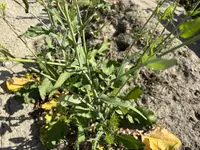
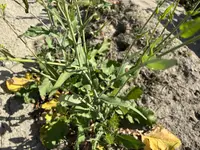
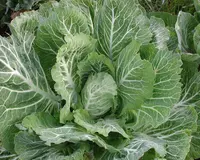
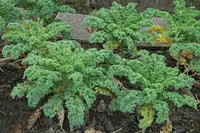
Cabbage, Brassica oleracea var. costata, is a leafy biennial grown as an annual vegetable, valued for its loose, open heads and thick, savoyed leaves. It belongs to the same species group as many common brassicas, but has a more elongated, flared form.

This cabbage type likely originated in Europe and is now widely cultivated in temperate vegetable gardens and small farms. Plants are cool-season crops that prefer mild temperatures.

Growth is relatively fast and straightforward if soil is fertile, consistently moist, and well drained. Pests like caterpillars and aphids are the main challenges when learning how to care for Cabbage.

It performs best in full sun, with rich soil and regular watering to maintain steady growth and crisp, tender leaves.

Main Plant Requirements

Care Difficulty

Moderate Care

Light Preference

Full Sun

Water Requirements

Regular Water

Temperature Preference

Cool Climate

Hardiness Zone

7–10

Soil Texture

Loamy, Sandy, Organic-rich

Soil pH

Acidic (5.5–6.5), Slightly acidic (6.5–7.0)

Soil Drainage

Moist but well-drained

Fertilization

Moderate (every 2–4 weeks)

Get Personalized Care Plan

Scan your plant to receive care tips personalized for your specific plant

Available on iOS and Android

How to Care for the Cabbage

This cool-season brassica needs consistent sun to form strong, tender leaves.

  • Provide 6–8 hours of direct sun daily; morning sun with light afternoon shade helps prevent leaf scorch in hot regions.
  • Tolerates partial shade, especially in summer; 4–5 hours of direct light plus bright open sky can still produce usable leaves, though yields drop.
  • In late spring and summer, protect from intense afternoon sun with shade cloth or taller crops; in fall, use full sun to extend the harvest season when caring for Cabbage.

Leafy growth depends on steady soil moisture without waterlogging.

  • Aim for soil that stays evenly moist; let the top 2–3 cm dry slightly before watering again in garden beds.
  • Use deep, infrequent watering so moisture reaches 15–20 cm; soil should drain freely, without puddling for more than 15–20 minutes.
  • Reduce frequency in cool, rainy periods and increase during hot, dry spells; wilting at midday that does not recover by evening suggests underwatering, while yellowing lower leaves and sour-smelling, soggy soil indicate overwatering in Brassica oleracea var. costata.

This crop prefers cool, stable conditions for best leaf quality and growth.

  • Optimal growth occurs around 55–70°F (13–21°C); plants stay tender and less stressed in this cool range.
  • Tolerates light frost down to about 25–28°F (-4 to -2°C), though prolonged freezes can damage outer leaves and slow recovery.
  • Handles short warm spells up to about 80–85°F (27–29°C) if soil moisture is steady, but sustained heat above this can cause bitterness, slower growth, and early bolting in Brassica oleracea var. costata.

Humidity is rarely a limiting factor for Brassica oleracea var. costata when grown outdoors.

This cabbage type prefers moderately moist, structured soil that supports steady root growth and nutrient uptake.

  • Use a loamy, crumbly soil rich in organic matter, such as garden loam mixed with compost.
  • Aim for slightly acidic to neutral pH around 6.2–7.0 to optimize nutrient availability for Brassica oleracea var. costata.
  • Improve drainage and aeration by blending in coarse sand or fine grit where soil is heavy or clay-based.
  • Avoid compacted, waterlogged, or very shallow soils that cause root stress and increase risk of rot or nutrient lockout.

This leafy cabbage can be grown in containers if the pot is large and stable enough for its root system and tall foliage.

  • Choose a container at least 30–40 cm deep and wide to allow a broad root zone and stable anchoring of the tall rosette.
  • Use a heavy or weighted pot if exposed to wind, as the large leaves can act like sails and tip lightweight containers.
  • Ensure excess water can drain quickly and never allow the saucer to hold standing water, which encourages root disease in confined soil.

This leafy Brassica benefits from steady but moderate nutrition during its cool-season growth.

  • Use a balanced NPK fertilizer (such as 10-10-10) or well-rotted compost incorporated into the soil before planting.
  • During active growth, apply a diluted liquid feed at 1/2 strength every 3–4 weeks, keeping soil evenly moist.
  • Side-dress with compost or a slow-release granular fertilizer midway through the season to support leaf production.
  • In late fall and winter, reduce feeding sharply or stop, as Cabbage growth slows in cool, low-light conditions.

Pruning Brassica oleracea var. costata focuses on hygiene and maintaining strong, productive plants rather than shaping.

  • Best timing is during active growth, removing yellowing, dead, or diseased leaves as soon as they appear.
  • Cut damaged outer leaves at the base with clean, sharp scissors or pruners to reduce infection risk.
  • Thin crowded plants by removing weak or misshapen individuals, which improves airflow and light penetration.
  • Harvest outer leaves from the bottom upward, which encourages fresh inner leaf growth and keeps plants compact.

This crop is usually started in trays or small pots, then transplanted outdoors once seedlings are sturdy.

  • Transplant when seedlings have 3–4 true leaves and roots just fill, but do not circle, the cell or pot.
  • Ideal timing is early spring or late summer for fall crops, depending on local climate and frost dates.
  • Move plants into the garden or a larger container about every 4–6 weeks from sowing, before growth stalls.
  • Water seedlings well before and after transplanting, plant slightly deeper than before, and shade for 2–3 days to limit transplant shock.

This variety is most commonly propagated from seed for reliable, uniform crops.

  • Sow seeds in late winter to early spring for spring planting, or midsummer for fall harvests in cooler climates.
  • Use a fine, well-drained seed-starting mix, sow shallowly (about 0.5 cm), and keep at 60–70°F for good germination.
  • Maintain consistently moist, not waterlogged, conditions and bright light to prevent leggy, weak seedlings.
  • Thin or prick out seedlings to individual cells once the first true leaves appear, handling by the leaves, not stems.

This cool-season Brassica is fairly cold hardy and often needs only minimal winter care in mild climates.

  • Tolerates light frosts, but prolonged freezes below about 20°F can damage leaves and growing tips.
  • Apply 5–8 cm of organic mulch around the base to insulate roots and moderate soil temperature.
  • In very cold or windy sites, use row covers or garden fleece to shield foliage from freezing and desiccation.
  • Container-grown plants in harsh climates can be moved to an unheated but frost-free space with bright light.

Care Tips

Firm the soil

After transplanting, gently press the soil around each plant with your hands or the flat side of a trowel so the root zone is firmly anchored and stems do not rock in the wind, which reduces transplant shock and improves early growth.

Use collar barriers

Place tight-fitting cardboard or plastic collars around the base of young plants, extending 2–3 cm into the soil, to deter cabbage root fly larvae and reduce stem damage at soil level.

Floating row covers

Install lightweight insect netting or floating row covers immediately after planting and secure all edges to the ground to exclude cabbage white butterflies and other leaf-feeding pests before they lay eggs.

Staggered sowing

Sow or transplant in small batches 2–3 weeks apart to spread harvest time, reduce the risk of losing the entire crop to a single pest or weather event, and make caring for Cabbage more manageable.

Check leaf undersides

Inspect the undersides of leaves at least weekly and crush or remove egg clusters and small caterpillars by hand before they spread, focusing on inner leaves where pests often hide first.

Common Pests and Diseases

Cabbage white caterpillars

This pest is the larval stage of white butterflies that chew large holes in leaves and can quickly skeletonize foliage.

Solution

Hand-pick caterpillars and eggs from leaves, use fine insect netting over plants to prevent egg-laying, and apply Bacillus thuringiensis (Bt) to foliage in the late afternoon according to label directions for targeted control without harming beneficial insects.

Cabbage aphids

These insects form dense gray-green colonies on leaf undersides and in tight leaf folds, causing curling, distortion, and sticky honeydew deposits.

Solution

Spray colonies off with a strong jet of water, remove heavily infested leaves, and, if needed, use insecticidal soap or horticultural oil, ensuring thorough coverage of leaf undersides while avoiding application in full sun or high heat.

Clubroot

This disease causes swollen, distorted roots and leads to stunted growth, yellowing, and wilting, especially in warm, wet, acidic soils.

Solution

Remove and destroy infected plants, avoid moving contaminated soil, improve drainage, raise soil pH to around 7.0–7.2 with agricultural lime, and rotate out of brassicas for at least 4–7 years to reduce soil inoculum.

Downy mildew

This disease produces yellow to pale patches on upper leaf surfaces with gray-white downy growth underneath, often in cool, humid conditions.

Solution

Improve airflow with adequate spacing, avoid overhead watering in the evening, promptly remove affected leaves, and use a copper-based or other labeled fungicide preventively when cool, damp weather is expected.

Black rot

Symptoms include V-shaped yellow to brown lesions on leaf edges that progress inward, with darkened veins and eventual leaf drop.

Solution

Plant only clean, certified seed or transplants, remove and destroy infected plants and crop debris, avoid working among plants when foliage is wet, and practice long crop rotations with non-brassica crops to limit pathogen carryover and support consistent Brassica oleracea var. costata care instructions.

Interesting Facts

Distinct ribbed leaves

This Portuguese cabbage type forms loose, upright heads with thick, strongly ribbed leaves instead of the tight, spherical heads typical of many cabbages, giving it a growth habit closer to collards or kale.

Adapted to mild winters

It is traditionally grown in Atlantic and Mediterranean coastal areas with mild, wet winters, where its tolerance of cool temperatures and high humidity allows continuous harvest of outer leaves over a long season.

Regional culinary importance

In Portugal it is a key ingredient for traditional soups and stews, such as caldo verde, where its tender, flavorful leaves are preferred over other cabbage types for finely shredded greens.

Botan icon

Did you know?

Historical records and seed catalogues show that this cabbage type has been maintained as a distinct regional landrace in Portugal for generations, selected by farmers mainly for leaf texture and flavor rather than for compact heads, which makes it an example of long-term local crop domestication focused on culinary use.

FAQs about Cabbage

Brown leaf edges or patches usually result from nutrient deficiencies, sunscald, inconsistent moisture, or physical damage from pests. Check soil fertility, keep watering even, inspect for caterpillars or slugs, and remove worst-affected leaves to prevent rot.

Grow Healthy Plants with Botan Care

Keep your plants happy and healthy with plant identification, disease detection, and easy care guidance.

Botan plant care app — identify plants on mobile

Explore More Plants