post oak Care (Quercus stellata)

Also known as: Iron Oak
post oak

About post oak

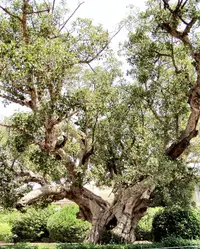
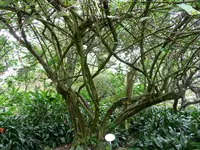
Post oak, Quercus stellata, is a long-lived deciduous tree native to dry uplands and rocky soils in the central and eastern United States. It belongs to the white oak group and typically grows with a broad, irregular crown.

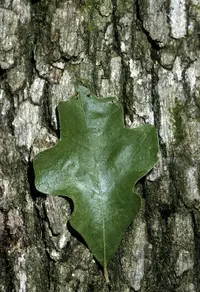
Leaves have a distinctive cross-shaped outline, and the bark is thick and rough, helping the tree tolerate fire and drought. Acorns provide food for wildlife and contribute to natural regeneration.

This species is slow-growing but very hardy once established, coping well with poor, sandy, or gravelly soils. Understanding how to care for post oak starts with respecting its need for full sun, good drainage, and relatively low, consistent moisture rather than frequent heavy watering.

Main Plant Requirements

Care Difficulty

Moderate Care

Light Preference

Full Sun

Water Requirements

Low Water

Temperature Preference

Cold Hardy

Hardiness Zone

5–9

Soil Texture

Sandy, Loamy, Rocky

Soil pH

Acidic (5.5–6.5), Slightly acidic (6.5–7.0)

Soil Drainage

Well-drained

Fertilization

Minimal (feed rarely)

Get Personalized Care Plan

Scan your plant to receive care tips personalized for your specific plant

Available on iOS and Android

How to Care for the post oak

This drought-adapted oak performs best in open, sunny sites with long daily exposure.

  • Provide full sun with 6–10 hours of direct light daily; it forms the strongest trunk and crown in open conditions.
  • Tolerates light partial shade, especially in young trees, but dense shade causes sparse branching and slower growth.
  • In hot regions, afternoon sun is normal for post oak; only reflected heat from pavement or walls risks leaf scorch during extreme heat waves.

This species is adapted to dry, well-drained sites and is highly sensitive to excess moisture.

  • Allow soil to dry thoroughly between waterings; the top 5–10 cm should feel dry and not cool or sticky before adding water.
  • During the first 2–3 growing seasons, water deeply after extended dry spells, then reduce as roots establish and tap deeper moisture.
  • Watch for yellowing leaves and dieback as signs of chronic overwatering in heavy clay, and crisp leaf edges as a sign of prolonged drought stress.

This oak is highly cold hardy and also tolerates intense summer heat once established.

  • Optimal growth occurs around 65–85°F (18–29°C), typical of late spring and early summer conditions in much of its native range.
  • Mature trees tolerate winter lows near -10°F (-23°C) or lower, going fully dormant and leafless without protection.
  • Heat tolerance extends to 95–105°F (35–40°C) if soil is not waterlogged; young trees benefit from mulch to buffer root-zone temperature swings.

This drought-adapted oak tolerates a wide humidity range and rarely needs special humidity management outdoors.

This oak prefers dry, well-drained, often sandy or rocky soils that mimic its native habitats.

  • Use a mineral-lean mix based on sandy or gravelly loam with minimal added organic matter to prevent excessive moisture retention.
  • Aim for slightly acidic to neutral pH, roughly 6.0–7.5, avoiding strongly acidic or alkaline conditions that can limit nutrient uptake.
  • Ensure rapid drainage by planting on a slope, berm, or raised area so water never pools around the root zone.
  • Avoid compacted clay or low-lying sites; improve aeration by incorporating coarse sand or fine gravel through the planting backfill.

This species is only marginally suitable for long-term container growing and is usually kept potted only when young.

  • Choose a very deep, heavy container to accommodate the developing taproot and reduce tipping in strong winds.
  • Use a sharply draining, sandy mix and elevate the pot on feet so water clears the drainage holes quickly after rainfall or watering.
  • Position the container in full sun with strong air movement to reduce fungal issues that can arise from confined, humid conditions around foliage.

This drought-tolerant post oak generally needs minimal fertilization once established in native, well-drained soil.

  • For young or stressed trees, apply a light layer of compost or well-rotted manure over the root zone in early spring.
  • Use a slow-release balanced NPK fertilizer (around 10-10-10) only if soil tests show nutrient deficiency.
  • Limit feeding to 1 time per growing season and avoid fertilizing after midsummer to prevent tender late growth.
  • If using liquid fertilizer on container seedlings, dilute to 1/2 strength and water beforehand to reduce root burn.

Pruning Quercus stellata focuses on safety, structure, and removal of dead or weak wood rather than cosmetic shaping.

  • Schedule main pruning in late winter while the tree is dormant and insect activity is low.
  • Remove dead, diseased, crossing, or inward-growing branches to improve airflow and reduce breakage risk.
  • Use clean, sharp bypass pruners or a pruning saw, making cuts just outside the branch collar.
  • Limit canopy thinning to small, well-placed cuts to preserve the tree’s natural form and strong central leader.

Post oak is rarely kept long term in containers; focus on careful field transplanting of young trees with minimal root disturbance.

  • Transplant in late fall or very early spring when the tree is dormant and soil is workable.
  • Look for roots circling the nursery container or slowed top growth as signs a young tree needs a larger space.
  • Handle the root ball gently, keeping it intact, and plant at the same depth in a wide, well-drained hole.
  • Water deeply after planting, then mulch 5–8 cm thick over the root zone to reduce stress and maintain soil moisture.

Propagation of Quercus stellata is usually done from seed, as cuttings root poorly and are rarely practical.

  • Collect mature acorns in fall, discarding any that float in water as they are often non-viable.
  • Stratify acorns in slightly moist sand or peat at 35–41°F for 8–12 weeks to break dormancy.
  • Sow in deep containers or nursery beds with well-drained soil, planting acorns 2–3 cm deep.
  • Keep the medium evenly moist but not waterlogged and provide full sun once seedlings emerge to promote strong taproot development.

Mature post oak is very cold hardy and typically needs no special winter care in its natural range.

  • Mulch young trees with 5–8 cm of organic material over the root zone, keeping mulch off the trunk.
  • In exposed sites, use stakes or shelters to limit wind rock on newly planted saplings.
  • For container-grown seedlings, move pots into an unheated garage or cold frame to avoid root freezing.

Care Tips

Maintain central leader

In the first 5–8 years, remove competing upright stems during late winter so the tree keeps one strong central leader and develops a wind‑resistant structure.

Early branch spacing

Select and keep 4–6 well-spaced scaffold branches that are 30–60 cm apart vertically, and remove or shorten closely stacked branches to reduce future limb failure.

Protect trunk flare

Keep mulch and soil pulled back 5–8 cm from the trunk base so the root flare remains visible, which lowers risk of rot, girdling roots, and borers when growing post oak.

Minimize soil compaction

Avoid vehicle parking, heavy foot traffic, and construction storage under the canopy drip line, and if compaction exists, use an aeration probe or air spade service rather than deep tilling to protect roots.

Storm damage management

After storms, make clean cuts just outside the branch collar on broken limbs and leave small, clean wounds to close naturally rather than applying wound paints or sealants.

Common Pests and Diseases

Oak wilt

This disease causes rapid leaf wilting, bronzing, and premature leaf drop, often starting in the upper canopy. Symptoms include branch dieback and eventual tree death if infection is severe and progresses unchecked.

Solution

Prune out and destroy infected limbs during the dormant season, disinfecting tools between cuts. Avoid pruning or wounding trees in spring and early summer, quickly remove and dispose of heavily infected trees, and consult an arborist about appropriate fungicidal trunk injections and local oak wilt management regulations.

Hypoxylon canker

This disease produces sunken, dead patches of bark that later reveal gray to black crusty fungal mats on trunks and major branches. Symptoms include rapid crown thinning and dieback, especially in drought-stressed or already weakened trees.

Solution

Remove and destroy heavily cankered limbs or trees to reduce inoculum, cutting well below visible symptoms. Reduce stress through proper watering during drought, avoid trunk injuries and soil compaction, and do not store firewood from infected trees near healthy oaks.

Oak leaf blister

This disease causes raised, blister-like, pale green to yellow patches on leaves that later turn brown and distorted. Symptoms include scattered leaf spotting and cosmetic damage, but usually little long-term impact on overall tree health.

Solution

Rake and remove fallen leaves to reduce overwintering spores and improve air circulation around the canopy when possible. In high-value trees with a history of severe outbreaks, a licensed professional can apply a preventive fungicide in early spring just before bud break.

Oak leaf tier

These insects are small caterpillars that web or tie leaves together, feeding inside the folded leaves. Symptoms include brown, skeletonized, or partially eaten leaves and clusters of leaves bound with fine silk.

Solution

Prune out and destroy webbed leaf clusters on reachable branches early in the season. For larger trees with heavy infestations, encourage natural predators and consult an arborist about targeted Bacillus thuringiensis (Bt) applications timed to young caterpillars.

Oak lace bug

These insects feed on the undersides of leaves, causing pale stippling or bronzing on the upper surface and leaving dark varnish-like spots of excrement below. Symptoms include a dull, chlorotic canopy appearance, especially on sun-exposed foliage.

Solution

Spray the undersides of affected leaves with a strong stream of water to dislodge nymphs and adults, repeating as needed. Maintain overall tree vigor, limit excess nitrogen fertilization that can favor outbreaks, and, in severe cases on smaller trees, use horticultural oil or insecticidal soap directed at leaf undersides according to label directions.

Interesting Facts

Cross-shaped leaf lobes

The common name post oak refers to its distinctive leaves, where the central pair of lobes often spread at right angles, giving the blade a cross- or Maltese cross-like outline that is unusual among North American oaks.

Champion of poor soils

This species thrives on dry, sandy, or very thin, rocky soils with low fertility, thanks to a deep, extensive root system and physiological traits that allow it to tolerate drought and nutrient scarcity better than many other oaks.

Keystone wildlife resource

Post oak acorns are a consistent food source for deer, wild turkey, quail, squirrels, and many small mammals, and post oak woodlands provide critical nesting and cover habitat for numerous birds and invertebrates in the central and southeastern United States.
Botan icon

Did you know?

Post oak is a defining species of the North American Cross Timbers region, forming exceptionally long-lived, open woodlands where individual trees can exceed 300 years of age and serve as living records for dendrochronology, the study of past climate using tree rings.

FAQs about post oak

This species grows slowly, usually about 20–30 cm per year once established. Growth is faster in deep, well-drained soil and full sun, and slower on compacted, shallow, or very dry sites.

Grow Healthy Plants with Botan Care

Keep your plants happy and healthy with plant identification, disease detection, and easy care guidance.

Botan plant care app — identify plants on mobile

Explore More Plants