Holm Oak Care (Quercus ilex)

Also known as: holly oak
Holm Oak

About Holm Oak

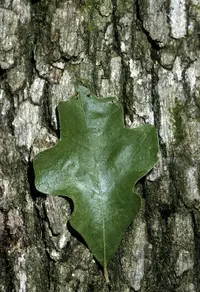
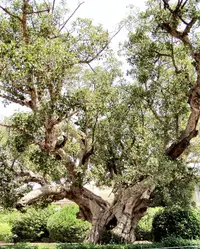
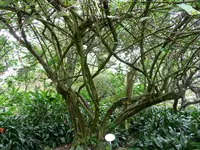
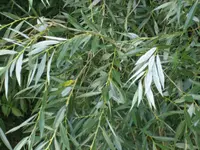
Holm oak (Quercus ilex) is an evergreen oak tree, typically forming a dense, rounded crown with small, leathery, dark green leaves. Mature trees can become large landscape specimens, but young plants grow slowly and stay compact for several years.

This species is native to the Mediterranean region, where it tolerates dry summers, wind, and poor, rocky soils. Its toughness makes it suitable for mild coastal climates, though it dislikes very cold, wet conditions.

To care for Holm Oak successfully, provide full sun, well-drained soil, and avoid waterlogged sites. Once established, it is relatively low-maintenance and copes well with seasonal drought.

Main Plant Requirements

Care Difficulty

Moderate Care

Light Preference

Full Sun

Water Requirements

Low Water

Temperature Preference

Cold Hardy

Hardiness Zone

7–10

Soil Texture

Sandy, Loamy, Rocky

Soil pH

Slightly acidic (6.5–7.0), Slightly alkaline (7.0–7.5)

Soil Drainage

Well-drained

Fertilization

Minimal (feed rarely)

Get Personalized Care Plan

Scan your plant to receive care tips personalized for your specific plant

Available on iOS and Android

How to Care for the Holm Oak

Quercus ilex prefers full sun in most climates but adapts to light shade.

  • Provide 6–8 hours of direct sun daily; 4–6 hours is acceptable in hotter regions with intense afternoon light.
  • Allow partial shade, especially afternoon shade, in hot inland areas to reduce leaf scorch and water stress.
  • In the first 2–3 years, avoid deep shade from buildings or large trees, as low light slows establishment and produces sparse, weak growth.

This Mediterranean evergreen prefers deep, infrequent watering once established.

  • In the first 1–2 years, water when the top 5–8 cm of soil is dry, aiming for a slow, deep soak that moistens 20–30 cm down.
  • Choose sharply drained soil; prolonged puddling, sour smell, or yellowing leaves indicate poor drainage and possible overwatering stress.
  • For mature landscape trees, reduce irrigation in cool or rainy seasons and watch for dull, curling leaves or twig dieback as signs of drought.

This species is a hardy evergreen oak adapted to mild, Mediterranean-type climates.

  • Optimal growth occurs around 60–80°F (16–27°C), with best establishment in spring and fall when temperatures are moderate.
  • Mature trees tolerate short drops to about 10–15°F (-12– -9°C), but young plants are more vulnerable and can suffer bark and leaf damage.
  • Heat tolerance is high up to about 95–100°F (35–38°C) if roots are mulched and soil moisture is maintained, but prolonged heat plus drought can slow growth.

This evergreen tolerates a wide humidity range and rarely needs special adjustments indoors or outdoors.

  • Aim for 30–60% humidity; typical indoor air is usually adequate for Holm Oak.
  • Dry air is tolerated, but sustained very low humidity with heat can cause leaf tip browning and marginal scorch.
  • Increase humidity modestly by grouping plants, placing a nearby water tray, or avoiding hot, direct airflow from vents.

Quercus ilex prefers mineral, well-drained soil that mimics dry, rocky Mediterranean ground.

  • Use a gritty mix such as 50–60% sandy or loamy topsoil with 40–50% sharp sand, fine gravel, or horticultural grit for strong drainage.
  • Keep pH slightly alkaline to neutral (about 7.0–8.0) by avoiding peat-heavy mixes and, if needed, incorporating a small amount of garden lime.
  • Add a modest portion of mature compost for nutrients, but keep organic matter low to moderate to prevent waterlogging and excessive moisture retention.
  • Avoid compacted, clay-heavy, or constantly wet substrates, which reduce aeration around roots and increase risk of rot or decline.

This species can be grown in containers, especially as a long-term patio specimen or bonsai-style tree.

  • Choose a deep, heavy container to accommodate the developing taproot and provide wind stability for the dense canopy.
  • Select thick-walled terracotta or concrete pots to reduce tipping risk and limit overheating of the root zone in full sun sites.
  • Raise the pot slightly on feet or blocks so drainage holes stay clear and runoff exits quickly after heavy rain or deep watering.

Quercus ilex is a slow-growing evergreen oak that usually needs only modest feeding in landscape soils.

  • Use a balanced slow-release fertilizer (for example 8-8-8 or 10-10-10) or well-rotted compost in early spring.
  • Apply a light dose once per year during the main growing season, focusing on young or container-grown Holm Oak.
  • Reduce or skip feeding in fall and winter, when growth slows and nutrient uptake is lower.
  • If using liquid fertilizer on potted plants, dilute to 1/2 strength to avoid root burn and salt buildup.

Quercus ilex benefits from light, planned pruning to maintain a stable structure and safe size.

  • Carry out main pruning in late winter to early spring, before vigorous new growth starts.
  • Remove dead, diseased, or damaged wood first, then thin crowded interior branches to improve light and airflow.
  • Shorten or remove awkward or crossing branches to guide long-term shape and strong branch attachments.
  • Use clean, sharp bypass pruners or a pruning saw, making smooth cuts just outside the branch collar.

Quercus ilex is usually grown in the ground, but young trees may start in containers before transplanting.

  • Look for roots circling the pot drainage holes, soil drying very fast, or slowed growth as signs it needs a larger container or planting site.
  • Plan transplanting or potting-on for early spring or early fall, when temperatures are mild and soil is workable.
  • Move up only 1 container size, loosen circling roots gently, and keep the root flare at soil level in the new hole.
  • Water thoroughly after planting, then keep soil evenly moist (not waterlogged) for the first growing season to reduce transplant stress.

Quercus ilex is mainly propagated from seed, which requires time and suitable conditions rather than complex techniques.

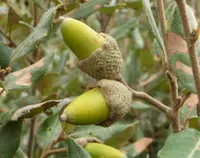
  • Collect fresh acorns in fall from healthy parent trees, discarding any with holes or obvious damage.
  • Sow acorns soon after collection in deep pots with well-drained soil, placing them on their side and covering lightly.
  • Keep the medium just moist at 60–70°F, protecting pots from rodents and heavy disturbance during germination.
  • Grow seedlings in containers for 1–2 years in bright outdoor light before planting into their permanent position.

Quercus ilex is broadly cold hardy in mild to moderate climates and usually needs minimal winter care once established.

  • In regions colder than its typical hardiness range, add a 5–8 cm mulch layer around the root zone, keeping it away from the trunk.
  • Shield young trunks with breathable trunk wraps or tree guards in areas with frequent freeze–thaw cycles.
  • Move container-grown trees into a sheltered, unheated but frost-free spot, such as a cold greenhouse or protected garage.

Care Tips

Wind‑hardening young trees

Stake only loosely for the first 1–2 years and gradually loosen ties so the trunk flexes in wind, which encourages stronger wood and better long‑term storm resistance.

Salt and pollution tolerance

In coastal or urban sites, use a 5–8 cm mulch ring and occasional deep flushing with fresh water after winter to dilute road salt or airborne pollutants that accumulate in the upper soil layer.

Canopy lifting strategy

As the tree matures, selectively remove lower branches over several years rather than all at once to raise the canopy while minimizing stress and reducing the risk of large pruning wounds.

Acorn and litter management

In landscapes or lawns, schedule a light raking pass in peak acorn drop season to reduce trip hazards and volunteer seedlings while leaving some leaf litter under the drip line to maintain soil life.

Drought contingency planning

In regions with periodic water restrictions, train roots early by providing fewer but very deep irrigations and install a simple drip loop around the outer canopy so caring for Holm Oak during dry summers is more efficient and less wasteful.

Common Pests and Diseases

Oak processionary moth

This pest is a defoliating caterpillar whose larvae feed heavily on leaves, causing thinning canopies and stress, especially in warm, dry sites. Symptoms include skeletonized leaves, reduced growth, and silk nests on branches.

Solution

Monitor foliage in late spring to early summer and remove or prune out visible nests using protective clothing to avoid skin irritation from the hairs. Encourage natural predators, and in larger trees or severe cases use a registered Bacillus thuringiensis (Bt) or specific insect growth regulator applied by a certified arborist following local regulations.

Oak leaf miner

These insects create pale, winding tunnels or blotches within the leaf blade as larvae feed between the leaf surfaces. Symptoms include discolored, blistered patches that can make the canopy look scorched in late summer, though trees often survive light infestations.

Solution

Rake and destroy fallen leaves in autumn to reduce overwintering stages. For heavy, repeated damage, consult an arborist about timing targeted systemic treatments and support tree vigor with proper watering and mulching to help the plant outgrow the injury.

Sphaeropsis tip blight

This disease causes browning and dieback of young shoots and small twigs, often starting at the tips and moving inward. Symptoms include wilted, brown foliage that remains attached and small black fruiting bodies on dead tissue in humid or coastal climates.

Solution

Prune out and destroy infected twigs during dry weather, cutting back into healthy wood and cleaning tools between cuts. Improve air circulation in the crown, avoid overhead irrigation, and if the problem recurs, consult a professional about a preventive fungicide program timed to new growth.

Anthracnose

This disease leads to irregular brown or tan leaf spots, distorted young leaves, and sometimes premature leaf drop during cool, wet periods. Symptoms include patchy chlorosis, necrotic areas along veins, and thinning foliage on lower branches.

Solution

Collect and dispose of fallen leaves and prunings to reduce inoculum, and water at the base rather than over the canopy to keep foliage dry. In landscapes where Quercus ilex plant care is a long-term investment, a certified arborist may apply preventative fungicides in early spring if conditions favor repeat outbreaks.

Armillaria root disease

This disease is caused by soil-borne fungi that attack roots and the lower trunk, leading to progressive decline, sparse foliage, and canopy dieback. Symptoms include yellowing leaves, reduced growth, white fungal sheets under the bark at the root collar, and sometimes honey-colored mushrooms at the base in autumn.

Solution

Remove severely affected trees including as much of the root system as practical, and avoid replanting susceptible oaks in the same spot. Improve drainage and avoid overwatering or soil compaction around remaining trees to reduce stress, which lowers the risk and progression of infection.

Interesting Facts

Sclerophyll evergreen foliage

This oak keeps its thick, leathery leaves for several years, an adaptation called sclerophylly that reduces water loss and allows it to remain evergreen in hot, dry Mediterranean climates.

Key Mediterranean keystone

In its native range, it forms extensive woodlands known as holm oak forests, providing habitat and food for many species, including wild boar and deer that rely heavily on its acorns.

Acorns and Iberian ham

In parts of Spain and Portugal, acorns from this species are a major food source for free-range pigs, and this diet is closely associated with the flavor and quality of traditional Iberian dry-cured hams.
Botan icon

Did you know?

Ancient individuals of this species in the Mediterranean region can reach ages of several centuries, and old specimens often develop massive, gnarled trunks that record repeated episodes of cutting, resprouting, and environmental stress over their long lifespans.

FAQs about Holm Oak

Growth is moderate. Young trees often add 20–30 cm of height per year in good conditions, slowing as they mature. In poor, dry, or compacted soil, growth may drop to less than 10 cm annually.

Grow Healthy Plants with Botan Care

Keep your plants happy and healthy with plant identification, disease detection, and easy care guidance.

Botan plant care app — identify plants on mobile

Explore More Plants