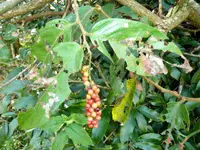
Punjab fig Care (Ficus palmata)

Punjab fig

About Punjab fig

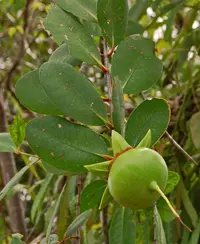
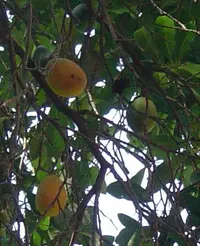
Punjab fig, Ficus palmata, is a small deciduous fig tree or large shrub grown for its edible, sweet fruits and attractive, lobed leaves. It often develops a spreading, multi-stemmed form with a somewhat open canopy.

This species is native to arid and semi-arid regions from the Middle East to the Indian subcontinent, where it adapts to heat and seasonal drought. It is generally considered hardy and forgiving once established, which makes it relatively straightforward to care for Punjab fig in suitable climates.

The plant prefers plenty of sunlight, moderate but not constant moisture, and well-drained soil that does not stay waterlogged.

Main Plant Requirements

Care Difficulty

Moderate Care

Light Preference

Full Sun

Water Requirements

Moderate Water

Temperature Preference

Warm Climate

Hardiness Zone

8–11

Soil Texture

Sandy, Loamy, Organic-rich

Soil pH

Slightly acidic (6.5–7.0), Neutral (7.0)

Soil Drainage

Well-drained

Fertilization

Minimal (feed rarely)

Get Personalized Care Plan

Scan your plant to receive care tips personalized for your specific plant

Available on iOS and Android

How to Care for the Punjab fig

This fig prefers strong light but is sensitive to harsh, drying exposure.

  • Provide 6–8 hours of sun daily, ideally with direct morning sun and bright, filtered light or light shade in the afternoon.
  • Punjab fig grown in hot, dry climates benefits from protection from intense midday sun to prevent leaf scorch and edge browning.
  • In cooler months, choose the sunniest site available; in summer, observe foliage for pale, bleached patches, which signal excess sun, or sparse, leggy shoots, which indicate insufficient light.

This species prefers evenly moist but well-aerated soil that dries slightly between waterings.

  • Before watering Ficus palmata, allow the top 3–5 cm of soil to dry; check by inserting a finger or small tool rather than following a fixed calendar.
  • In hot, active growth periods, expect to water more often, while in cool or dormant seasons, reduce frequency so the soil dries deeper without becoming hard and shrunken.
  • Watch for yellowing, soft leaves and sour-smelling, soggy soil as signs of overwatering, and crisp leaf edges, droop, and very light, dusty soil as signs of underwatering.

This fig thrives in warm, temperate to subtropical conditions with mild winters.

  • Ideal growth occurs around 70–85°F (21–29°C), with steady warmth supporting stronger shoots and fruiting where climate allows.
  • The plant tolerates brief dips to about 28–30°F (-2 to -1°C), but repeated frost damages young shoots and buds; mature wood is somewhat hardier but still at risk in prolonged freezes.
  • In hot spells above 95°F (35°C), provide soil moisture and some afternoon shade to limit heat stress, leaf scorch, and premature fruit drop.

This species handles a wide humidity range but grows best with moderately moist air indoors.

  • Aim for 40–60% humidity; average indoor levels are usually adequate for Punjab fig.
  • If leaf tips brown or edges curl while soil moisture is correct, humidity is likely too low.
  • Increase humidity by grouping plants, placing the pot on a pebble tray with water below the pot base, or using a small room humidifier nearby.

Ficus palmata prefers loose, well‑drained, moderately fertile soil that holds moisture without staying wet.

  • Use a loamy mix made from 2 parts all‑purpose potting mix, 1 part coarse sand, and 1 part perlite or fine bark to improve drainage and aeration.
  • Ensure the soil crumbles easily in the hand; dense, heavy clay that compacts after watering restricts root oxygen and should be avoided or heavily amended.
  • Aim for slightly acidic to neutral pH around 6.0–7.0, incorporating compost in moderate amounts to add organic matter without creating a soggy texture.
  • For in‑ground planting, mound or plant on a slight slope if native soil drains poorly, so excess water moves away from the root zone.

This species adapts well to container growing when given stable, well‑drained conditions.

  • Choose a pot heavy enough, such as thick ceramic, to prevent the tall canopy from tipping in wind or when the soil is dry.
  • Select a container with a wide surface area so lateral roots can spread, which helps keep top growth balanced and reduces leaning.
  • Ensure multiple large drainage holes so water exits within seconds of watering, preventing waterlogged lower roots in deep containers.

Ficus palmata benefits from moderate feeding in containers or poor soils, while established in-ground trees often need little fertilizer.

  • Use a balanced liquid fertilizer (around 10-10-10) at 1/2 strength every 4–6 weeks during spring–summer for Punjab fig in pots.
  • Apply slow-release pellets at the soil surface in early spring if growth is weak or leaves pale.
  • In rich garden soil, rely mainly on compost or well-rotted manure spread in a thin layer over the root zone.
  • Stop feeding 4–6 weeks before expected frost and avoid fertilizing in winter dormancy.

Ficus palmata responds well to light, structured pruning that maintains a strong framework and manageable size.

  • Carry out main pruning in late winter or very early spring before vigorous new growth starts.
  • Remove dead, diseased, crossing, or inward-growing branches first to improve airflow and light penetration.
  • Shorten long shoots to shape the canopy and encourage branching, which can increase fruiting wood over time.
  • Use clean, sharp bypass pruners or a small pruning saw, making smooth cuts just above a bud or branch junction.

This fig is more often grown in the ground than in pots, so focus on careful transplanting of young trees.

  • Transplant in early spring or early fall when temperatures are mild and the plant is not under heat stress.
  • Look for roots circling the container, water running straight through, or slowed growth as signs a potted plant has outgrown its pot.
  • Shift up only 1–2 pot sizes or plant into a prepared, well-drained site, keeping the root flare at soil level.
  • Reduce root stress by watering thoroughly before and after moving, handling the root ball gently, and shading the plant for 1–2 weeks if sun is intense.

Ficus palmata is commonly propagated from cuttings and sometimes from seed for rootstock or breeding.

  • Take 10–20 cm semi-hardwood cuttings in late spring–summer from healthy, non-flowering shoots.
  • Remove lower leaves, dip the cut end in rooting hormone, and place in a free-draining mix kept at 70–80°F and evenly moist.
  • Provide bright, indirect light and high humidity until roots form, then harden off gradually before potting on.
  • Sow fresh seed in warm conditions, barely covered, and keep consistently moist for several weeks to encourage germination.

This fig is moderately cold tolerant but young plants and container specimens benefit from simple winter protection in cooler climates.

  • In regions colder than about 15–20°F, grow in a sheltered microclimate or consider container culture.
  • Apply 5–8 cm of organic mulch around the root zone, keeping it slightly away from the trunk, to buffer soil temperature.
  • Wrap young trunks with breathable horticultural fleece or burlap during severe cold snaps to reduce bark damage.
  • Move container plants into a bright, cool, frost-free space and water sparingly so the soil stays just lightly moist.

Care Tips

Root-zone mulching

Apply a 3–5 cm layer of coarse organic mulch around the root zone, keeping it 5–8 cm away from the trunk, to stabilize soil moisture, reduce weed competition, and protect fine feeder roots from heat and cold stress.

Branch training support

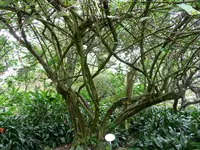
Install sturdy stakes or a simple wire framework while the plant is young and tie new shoots loosely with soft ties to guide a strong open framework that can carry the weight of future fruit without splitting.

Calcium for fruit quality

In alkaline or calcium-poor soils, incorporate finely ground agricultural lime or gypsum based on soil test recommendations to reduce fruit drop and improve skin strength and storage quality of the figs.

Targeted pest scouting

Inspect the undersides of leaves and young stems every 1–2 weeks during warm months with a hand lens, and spot-treat early infestations of scale, mites, or whiteflies using horticultural oil rather than waiting for visible leaf damage.

Cold-season protection

In areas with winter frost, wrap the lower trunk with breathable horticultural fleece and mulch deeply over the root zone in late fall to reduce cold injury and support long-term success when growing Punjab fig in marginal climates.

Common Pests and Diseases

Fig leaf beetle

This pest feeds on leaves, creating holes and skeletonized areas, and can rapidly defoliate young trees or tender new growth.

Solution

Hand-pick and destroy adult beetles and larvae where practical, prune and dispose of heavily infested shoots, and encourage birds and predatory insects. For heavier infestations, use a targeted foliar spray based on neem oil or spinosad, applied in the evening and repeated as needed according to label directions.

Fig canker

This disease causes sunken, cracked, or dark lesions on branches and stems, which can girdle shoots and lead to dieback if ignored.

Solution

Prune out affected twigs and branches well below visible lesions during dry weather, and disinfect pruning tools between cuts with 70% alcohol or a 10% bleach solution. Improve airflow by thinning crowded branches and avoid wounding bark, as injuries increase infection risk.

Fig rust

This disease produces small yellow to brown spots on the upper leaf surface with rusty, powdery pustules beneath, often leading to premature leaf drop in humid, warm conditions.

Solution

Remove and destroy affected leaves on and under the tree to reduce spore spread, and avoid overhead watering that keeps foliage wet. In areas with recurrent problems, apply a copper-based or sulfur-based fungicide preventively at the start of warm, humid periods, following label instructions carefully.

Scale insects

These insects appear as small, dome-shaped or shell-like bumps on stems and leaf undersides, sucking sap and causing yellowing leaves, sticky honeydew, and sooty mold growth.

Solution

Wipe or gently scrape off accessible scales with a cloth or soft brush dipped in soapy water, and prune heavily infested twigs. For persistent colonies, use horticultural oil or a systemic insecticide labeled for figs, applied during active growth while avoiding high-temperature periods to prevent leaf burn.

Nematode damage

This problem is caused by microscopic roundworms in the soil that feed on roots, leading to stunted growth, reduced vigor, and sometimes galls or swellings on fine roots.

Solution

Remove and destroy severely affected plants, and avoid replanting figs in the same spot without soil solarization or rotation with non-host crops for several seasons. When establishing new plants, use certified nematode-free stock and improve soil organic matter, which supports beneficial organisms that suppress nematodes and supports more resilient root systems for Ficus palmata plant care.

Interesting Facts

Native Himalayan range

This species occurs naturally from the western Himalayas through northern India into Pakistan and surrounding regions, often growing on rocky slopes and dry hillsides rather than dense forest.

Distinctive leaf shape

Its leaves are usually deeply 3–5 lobed and rough to the touch, which helps distinguish it from many smooth-leaved cultivated figs that are more familiar in gardens and homes.

Edible but little commercial

The small purple to black figs are edible and consumed locally where it is native, but the species is not a major commercial fruit crop compared with the common fig, Ficus carica.

Botan icon

Did you know?

Genetic and morphological studies indicate that Ficus palmata and the cultivated common fig Ficus carica form a closely related complex, and the two species can hybridize, which has likely contributed to the diversity of fig varieties grown by humans.

FAQs about Punjab fig

Growth is moderately fast in warm climates. Young plants can add 30–60 cm per year outdoors, slowing as trunks thicken. Container culture and pruning reduce height gain but help direct energy into a strong framework and fruiting wood.

Grow Healthy Plants with Botan Care

Keep your plants happy and healthy with plant identification, disease detection, and easy care guidance.


Botan plant care app — identify plants on mobile

Explore More Plants