theobroma Care (Theobroma grandiflorum)

Also known as: copoasu, cupuaçu-tree, cupuassu, Cupuaçu
theobroma

About theobroma

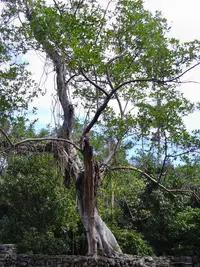
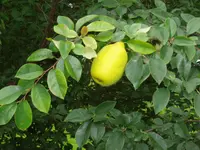
Theobroma grandiflorum, commonly called cupuaçu, is a tropical evergreen tree in the cacao family grown for its large, aromatic fruits. It forms a dense canopy with broad, glossy leaves and can reach small-tree size under suitable conditions.

This species naturally occurs in the Amazon rainforest, where it grows in warm, humid, partially shaded environments. It is considered moderately challenging outside the tropics because it dislikes cold, dry air, and irregular moisture.

The plant prefers consistently moist, rich, well-drained soil and protection from strong wind. Understanding how to care for theobroma starts with recreating stable warmth, high humidity, and gentle filtered light similar to its native forest habitat.

Main Plant Requirements

Care Difficulty

Hard Care

Light Preference

Partial Shade

Water Requirements

Keep Soil Moist

Temperature Preference

Tropical / Frost Sensitive

Hardiness Zone

11–12

Soil Texture

Loamy, Silty, Organic-rich

Soil pH

Acidic (5.5–6.5)

Soil Drainage

Moist but well-drained

Fertilization

Moderate (every 2–4 weeks)

Get Personalized Care Plan

Scan your plant to receive care tips personalized for your specific plant

Available on iOS and Android

How to Care for the theobroma

This tropical tree needs bright, indirect light and protection from harsh sun at most sites.

  • Provide 4–6 hours of gentle morning sun with dappled or filtered light the rest of the day, especially in warm climates.
  • Tolerates light to medium partial shade, but very deep shade leads to weak, leggy growth and poor flowering and fruiting in theobroma.
  • Avoid strong afternoon sun; leaf scorch, yellowing, and crisp brown patches indicate excessive light, while pale, stretched shoots signal insufficient light.

This species prefers steadily moist, well-drained soil without long dry spells or standing water.

  • Water when the top 2–4 cm of soil feels slightly dry, aiming for evenly damp but not saturated soil around the root zone.
  • In hot seasons, monitor more often as the upper layer dries quickly; in cooler or rainy periods, extend intervals to prevent waterlogging.
  • Wilting, rolled leaves, and dry leaf edges indicate underwatering, while yellowing leaves, soft stems, and sour-smelling soil suggest overwatering and poor drainage.

This tropical tree requires consistently warm conditions and does not tolerate frost.

  • Aim for 70–85°F (21–29°C) for active growth; short peaks to 90°F (32°C) are tolerated if humidity and soil moisture stay adequate.
  • Avoid temperatures below 60°F (16°C); growth slows under this level, and damage occurs as temperatures approach 40°F (4°C).
  • Theobroma grandiflorum is highly frost-sensitive; protect from cold winds and sudden drops, and provide shade and mulch in extreme heat to reduce stress fluctuations.

This species needs consistently high humidity to grow well indoors.

  • Aim for 60–80% humidity, typical of a warm tropical understory.
  • Dry air below 50% leads to curling leaves, brown tips, and slowed growth.
  • Increase humidity with grouped plants, a large pebble tray, or a room humidifier placed nearby.

Provide deep, loose, organic-rich soil that drains freely yet holds steady moisture.

  • Use a loamy mix with 40–60% composted organic matter plus a structural base such as coconut coir or fine bark.
  • Improve drainage and aeration by adding perlite or pumice, keeping the mix open so roots receive oxygen.
  • Target a slightly acidic pH around 5.5–6.5, similar to many tropical forest soils.
  • Avoid heavy clay, compacted substrates, or mixes that stay waterlogged, which promote root disease in Theobroma grandiflorum.

This tree can be grown in large containers for several years with careful moisture and stability management.

  • Choose a tall, wide container that allows a deep taproot and lateral roots to spread without circling tightly.
  • Use a heavy, stable pot material or weight the base so the top-heavy crown does not tip in wind.
  • Ensure generous, unobstructed drainage holes and elevate the pot slightly so runoff leaves the root zone quickly.

Capuaçu (Theobroma grandiflorum) benefits from modest, consistent nutrition in warm months but reacts poorly to heavy, salty feeding.

  • Use a balanced, slow-release fertilizer (around 10-10-10) or well-rotted compost at the start of the growing season.
  • Apply granular slow-release every 3–4 months during active growth, following label rates for young tropical trees.
  • For container plants, supplement with a half-strength balanced liquid feed every 4–6 weeks in spring and summer.
  • Stop or greatly reduce fertilization in fall and winter to avoid weak, leggy growth.

Pruning Theobroma grandiflorum is mainly done to keep a stable framework and maintain healthy, well-lit branches.

  • Carry out structural pruning at the end of the dry season or late winter, before strong new growth starts.
  • Remove dead, diseased, crossing, or inward-growing branches with sharp, clean bypass pruners or loppers.
  • Shorten overly tall or crowded shoots to open the canopy, improving airflow and light penetration for flowering.
  • Avoid heavy cuts into large, older limbs; spread shaping work over several seasons to limit stress.

Young Theobroma grandiflorum is often started in containers, then transplanted once roots fill the pot and growth slows.

  • Check for roots circling the container base or emerging from drainage holes, along with slowed top growth, as signs it is time to move up.
  • Plan transplanting for warm, humid weather in spring or early summer to encourage rapid root re-establishment.
  • Shift to a container only 1–2 in wider, or into well-drained, rich soil outdoors, keeping the root ball intact.
  • Water thoroughly before and after moving, shade the plant for several days, and maintain even moisture to reduce transplant shock.

Multiplying Theobroma grandiflorum is usually done from seed, with cuttings used more cautiously for uniform planting material.

  • Sow fresh seeds in warm conditions (75–85°F) in a loose, well-drained medium, as viability drops quickly when seeds dry.
  • Plant seeds shallowly, keep the medium evenly moist, and maintain high humidity to support germination.
  • Take semi-hardwood cuttings in warm, stable weather, using rooting hormone and bottom heat where available.
  • Place cuttings or seed trays in bright, indirect light and protect them from direct sun or drying winds.

This tropical tree has very low cold tolerance and demands careful winter management in most US climates.

  • Avoid exposure below 40°F; frost can damage foliage and young wood, and freezing temperatures can kill the plant.
  • Grow Theobroma grandiflorum in large containers in non-tropical regions so plants can be moved indoors for winter.
  • Indoors, provide bright, indirect light, good air movement, and slightly reduced but consistent watering.
  • In frost-free ground, apply a 5–8 cm organic mulch around the root zone to buffer soil temperature swings.

Care Tips

Provide wind shelter

Install a windbreak fence or plant the tree near taller shrubs or structures so young plants are protected from drying or damaging winds that can tear large leaves and stress the root system.

Mulch for root comfort

Apply a 5–8 cm layer of coarse organic mulch around, but not touching, the trunk to stabilize soil moisture, keep roots cooler, and improve long‑term soil structure as the mulch breaks down.

Use nurse shade

Establish temporary shade from taller companion plants or shade cloth during the first 1–2 years so the young tree can develop a strong root system before being exposed to more intense light.

Hand pollination aid

In marginal climates or sheltered plantings with few natural pollinators, gently transfer pollen between freshly opened flowers in the early morning using a small brush to increase fruit set.

Support heavy branches

As fruiting branches enlarge, use padded props or soft ties to stakes to support heavily loaded limbs and reduce the risk of breakage, especially after heavy rain when fruit weight increases.

Common Pests and Diseases

mirid bugs

These insects feed on young shoots, flower cushions, and small pods, causing deformities and premature fruit drop. Symptoms include dark feeding lesions, callused spots, and misshapen pods.

Solution

Prune and destroy heavily damaged flower cushions and small pods to remove breeding sites, and keep the area under trees clear of fallen pods and leaf litter. Where pressure is high, use targeted insecticides based on neem or pyrethroids, applied in the late afternoon and directed to young shoots and developing pods, and monitor regularly with visual inspections and simple beating or tapping samples from branches.

cocoa pod borer

This pest is a moth whose larvae tunnel into developing pods, causing internal damage, poor seed development, and premature yellowing and mummification of fruits. Symptoms include uneven pod ripening, small exit holes, and brown, compacted pulp around the seeds.

Solution

Harvest pods as soon as they reach maturity and remove all overripe, damaged, or mummified fruits from the tree and ground, then destroy them away from the planting area to break the life cycle. In regions where it is present, growers also reduce infestation by pruning to open the canopy for better light penetration, using pod sleeves or bagging for high‑value trees, and coordinating sanitation with neighboring growers as part of broader Theobroma grandiflorum plant care.

witches’ broom

This disease is caused by a fungus that induces dense clusters of twigs, swollen shoots, and deformed pods resembling brooms. Symptoms include many thin, stiff branches emerging from a single point, distorted flushes, and pod surface irregularities or internal seed damage.

Solution

Cut out all broom‑like shoots and deformed pods at their base, making clean cuts into healthy wood, and remove and burn or deeply bury all infected material to reduce inoculum. Maintain an open, well‑ventilated canopy through regular pruning and avoid leaving stumps or dead wood, which can host the fungus and release spores that spread the disease.

black pod disease

This disease, caused by Phytophthora species, affects pods and sometimes stems, leading to dark brown to black lesions that expand rapidly in wet conditions. Symptoms include water‑soaked patches that turn black and firm, with white fungal growth on the pod surface in humid weather.

Solution

Remove and destroy all infected pods promptly, including those still on the tree and those on the ground, to reduce spore sources. Improve drainage, avoid overhead irrigation on the canopy, prune to increase airflow, and, where disease is persistent, apply copper‑based or phosphonate fungicides preventively during peak wet periods, focusing sprays on trunk and pod zones.

vascular streak dieback

This disease is caused by a fungus that invades young branches, disrupting water transport and leading to leaf yellowing, leaf drop, and dieback from the tips inward. Symptoms include yellowing of leaves on individual branches, followed by streaked discoloration in the wood when cut lengthwise.

Solution

Prune out affected branches at least 20–30 cm below visible symptoms, and destroy the removed wood away from planting areas to prevent further spread. Support recovery by maintaining good nutrition, avoiding water stress, and keeping tree spacing and pruning such that canopies stay open and dry quickly after rain, which limits new infections.

Interesting Facts

Amazonian shade specialist

This species naturally occurs in the understory of the Amazon rainforest, where it grows as a small to medium tree under taller canopy species and tolerates low to medium light levels compared with many other tropical fruit trees.

Pulp richer than cocoa

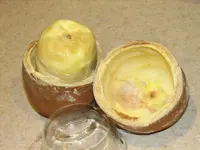
The large yellow fruits contain a thick, aromatic pulp that is higher in fat than cacao pulp and is widely used in Brazil for juices, ice creams, and desserts, giving it significant value in regional food industries.

Close cousin of cacao

It is a close relative of Theobroma cacao, the chocolate tree, sharing similar flower structure and seed arrangement, but its seeds are mainly a by‑product of pulp processing rather than the primary crop.

Botan icon

Did you know?

In parts of the Brazilian Amazon, this species is a major component of agroforestry systems, where it is grown together with plants like açaí and cupuaçu hybrids to restore degraded land, diversify farmer income, and increase canopy complexity that supports local biodiversity.

FAQs about theobroma

Yes. The pulp surrounding the seeds is edible, aromatic, and used fresh, in juices, desserts, and processed products. Seeds are rich in fat and can be fermented and roasted, somewhat like cacao, though used less commonly.

Grow Healthy Plants with Botan Care

Keep your plants happy and healthy with plant identification, disease detection, and easy care guidance.

Botan plant care app — identify plants on mobile

Explore More Plants