Brisbane Lily Care (Proiphys cunninghamii)

Brisbane Lily

About Brisbane Lily

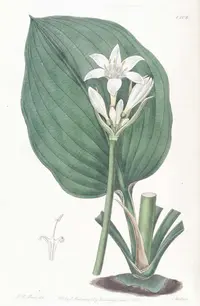
Brisbane lily, Proiphys cunninghamii, is a clump-forming, evergreen bulb from subtropical rainforests of eastern Australia. It grows from fleshy bulbs and forms broad, glossy, heart-shaped leaves. In the growing season it sends up sturdy stems topped with clusters of white, starry flowers that give a neat, architectural look. Plants stay relatively compact, which suits containers and small gardens. This species prefers bright, filtered light, moist but well-drained soil, and mild, frost-free conditions. With stable warmth and moderate attention, it is considered moderately easy to care for Brisbane Lily.

Main Plant Requirements

Care Difficulty

Moderate Care

Light Preference

Partial Shade

Water Requirements

Moderate Water

Temperature Preference

Tropical / Frost Sensitive

Hardiness Zone

10–11

Soil Texture

Loamy, Sandy, Organic-rich

Soil pH

Acidic (5.5–6.5), Slightly acidic (6.5–7.0)

Soil Drainage

Moist but well-drained

Fertilization

Minimal (feed rarely)

Get Personalized Care Plan

Scan your plant to receive care tips personalized for your specific plant

Available on iOS and Android

How to Care for the Brisbane Lily

Proiphys cunninghamii prefers bright, gentle light that mimics dappled forest conditions.

  • Provide 3–5 hours of morning sun with light shade or filtered light for the rest of the day, especially in warmer climates.
  • Tolerates partial to full shade under trees, but flowering may decrease if light stays below about 2–3 hours of bright exposure daily.
  • Avoid harsh midday and afternoon sun, which can scorch Brisbane Lily leaves; increase shade cloth or move site slightly in summer if foliage yellows or crisps.

This bulb prefers steady moisture during active growth but reacts poorly to waterlogged soil.

  • Water when the top 3–5 cm of soil feel dry, aiming for evenly moist, crumbly soil rather than soggy conditions around the bulbs.
  • Use free-draining soil or raised beds so excess water can escape; yellowing, soft leaves or a sulfur smell from soil suggest overwatering and bulb rot risk.
  • In cooler months or dormancy, reduce watering so soil dries a little deeper, while watching for limp, folding leaves that indicate underwatering.

This subtropical bulb grows best in warm, frost-free conditions with mild seasonal variation.

  • Ideal growth occurs around 65–80°F (18–27°C), which supports strong foliage and reliable flowering through the warm season.
  • Plant outdoors only where winter lows stay above 40°F (4°C); short dips to about 35°F (2°C) may be survived but can damage foliage.
  • Protect from frost and cold winds, and in very hot weather above 90°F (32°C) provide extra shade and mulch to keep roots cooler.

This species grows best in moderately humid air but usually adapts to typical home conditions.

  • Aim for 40–60% humidity, as Brisbane Lily foliage stays firmer and glossier in this range.
  • It tolerates brief dips into drier indoor air, but edges may brown and tips crisp if air stays under 30%.
  • Increase humidity by grouping plants, placing the pot on a pebble tray with water below the base, or running a small nearby humidifier.

Proiphys cunninghamii prefers a loose, humus-rich medium that drains quickly yet holds some moisture.

  • Use a mix of 2 parts peat- or coco-based potting mix, 1 part compost, and 1 part perlite or coarse sand for aeration.
  • Aim for slightly acidic to neutral pH around 6.0–7.0, which supports nutrient uptake and bulb health.
  • Ensure water drains freely from the root zone; avoid compacted, clay-heavy, or constantly wet substrates that promote rot.
  • In heavy native soils, incorporate coarse sand, fine bark, and well-rotted compost to improve structure and oxygen movement.

This bulbous species is well suited to container growing.

  • Choose a pot just 3–5 cm wider than the bulb cluster so the roots fill the volume and moisture levels stay more even.
  • Use a container deep enough for roots to extend downward without curling tightly at the base, which reduces stress in active growth.
  • Select a slightly heavier pot material, such as ceramic, to stabilize the foliage clump and reduce tipping in windy or exposed spots.

This bulb responds well to modest feeding during active growth but does not need heavy fertilization.

  • Use a balanced liquid fertilizer (around 10-10-10) at 1/2 strength every 4–6 weeks in spring and summer for Brisbane Lily indoor care.
  • Apply a light top-dressing of compost or a low-dose slow-release bulb fertilizer at the start of the growing season.
  • Water before and after feeding to reduce root burn and avoid fertilizing very dry soil.
  • Stop feeding in fall and winter when growth slows or foliage dies back, as the bulbs rest.

Pruning needs for Proiphys cunninghamii are light and mainly focused on cleanliness and leaf turnover.

  • In late winter or after flowering, remove yellow, dead, or damaged leaves at the base with clean, sharp scissors or pruners.
  • Trim spent flower stalks down to the bulb neck once blooms fade to direct energy back to bulb and foliage.
  • Thin out weak or crowded leaves only if they trap moisture or reduce airflow around the clump.
  • Disinfect tools before and after cutting to lower the risk of disease spread between plants.

This bulb prefers to stay slightly pot-bound, so repotting or transplanting is only needed occasionally.

  • Look for roots circling the pot, pushing through drainage holes, or noticeably slow growth as signs it is time to move the plant.
  • Plan to repot or lift and divide clumps every 3–4 years, ideally in late winter or early spring before strong new growth.
  • Choose a pot only 2–3 cm wider or replant at the same soil depth, using a free-draining mix to limit waterlogging stress.
  • Handle bulbs gently, keep roots shaded and moist, then water lightly after transplanting and keep out of harsh sun for 1–2 weeks.

Proiphys cunninghamii is most commonly propagated by dividing established clumps, with seed used more for patient growers.

  • Divide bulbs or offsets in late winter to early spring, when the plant is just starting new growth.
  • Gently separate offsets with some roots attached and replant into a well-drained mix, keeping the neck of each bulb at soil level.
  • Water lightly after division and keep in bright, indirect light with stable warmth around 65–75°F for good establishment.
  • For seeds, sow fresh on the surface of a moist, free-draining mix, keep consistently slightly damp, and maintain warmth for gradual germination.

This subtropical bulb dislikes frost and needs protection in regions with cold winters.

  • In mild climates above about 30–32°F, apply a 5–8 cm mulch over the root zone to moderate soil temperature and moisture.
  • In colder areas, grow in containers and move indoors or to a frost-free greenhouse before night temperatures drop near freezing.
  • Keep indoor plants in bright, indirect light with cool, dryish conditions if foliage dies back, watering only enough to stop the bulbs from shriveling.

Care Tips

Bulb Division Timing

Divide and replant clumps only when foliage has just died back, lifting the bulbs with a fork to avoid damage and immediately replanting offsets at the same depth to maintain steady flowering performance.

Leaf Retention Strategy

Avoid cutting green leaves after flowering; allow them to yellow and wither naturally so the bulb can store carbohydrates, which directly improves the next season’s bloom quality when growing Brisbane Lily.

Container Depth Choice

Use deep, heavy containers rather than shallow pots so the bulbs and roots have a stable, cool zone, and position them so the bulb neck is just at or slightly below the mix surface to reduce rot risk.

Seasonal Dry Rest

If plants are kept under cover or indoors, slightly reduce watering in late autumn to mimic a natural dry rest, then resume normal moisture when new leaf tips emerge to synchronize growth with the plant’s internal cycle.

Slugs And Snails Barrier

Protect emerging shoots with low, rigid collars set into the soil and use iron phosphate bait around the planting zone, which selectively targets slugs and snails without harming pets or wildlife.

Common Pests and Diseases

Narcissus bulb fly

This pest targets fleshy bulbs, where larvae tunnel inside and cause yellowing foliage, stunted growth, and eventual collapse of leaves after flowering.

Solution

Discard any soft, foul-smelling or hollow bulbs and do not compost them, then replant only firm, clean bulbs in well-drained soil. In outdoor plantings, cover emerging shoots with fine insect mesh in spring and keep surrounding soil clear of plant debris to reduce egg-laying sites.

Snails and slugs

These insects feed on tender leaves and flower stalks, leaving irregular holes, shredded edges, and slime trails, especially in moist, shaded positions.

Solution

Hand-pick snails and slugs in the evening, use beer traps or rough barriers such as crushed eggshells around clumps, and reduce dense groundcover where they hide. In heavy infestations, place pet-safe iron phosphate pellets around, not on, the bulbs to protect new growth during the wet season.

Bulb scale rot

This disease causes soft, brown, and sometimes foul-smelling patches on bulb scales, leading to poor sprouting, weak foliage, or failure to flower.

Solution

Lift and inspect bulbs, discarding any with extensive soft decay and trimming back to firm, white tissue on lightly affected bulbs, then dust cut surfaces with a sulfur-based fungicidal powder and allow to dry before replanting in free-draining mix. Avoid overwatering during dormancy and ensure containers or garden beds do not stay waterlogged to support long-term Proiphys cunninghamii plant care.

Leaf spot

This disease produces small, brown to dark-purple spots on leaves that may merge into larger lesions, causing premature yellowing and dieback of foliage in humid or shaded conditions.

Solution

Remove and dispose of affected leaves to reduce spore spread, then improve air circulation by thinning nearby plants and avoiding overhead watering. In persistent cases, apply a copper-based or chlorothalonil fungicide according to label directions during warm, wet periods.

Interesting Facts

Rainforest rock specialist

This species naturally grows in shaded, rocky sites along rainforest streams in eastern Australia, often rooting into thin humus-filled crevices rather than deep soil.

Night-fragrant flowers

The white star-shaped flowers open in clusters and release a stronger fragrance at night, a trait linked to attracting nocturnal pollinators such as moths.

Seasonal leaf cycle

In its native habitat it may drop or reduce leaves during the cooler, drier season while the bulb rests underground, then rapidly produce new foliage and flower stalks with the return of warm, moist conditions.

Botan icon

Did you know?

This species is considered uncommon in the wild and is naturally restricted to limited rainforest areas in southeastern Queensland and northeastern New South Wales, which makes it of conservation interest and a focus for cultivation efforts such as Proiphys cunninghamii plant care in gardens and collections.

FAQs about Brisbane Lily

This species usually flowers after developing several mature leaves and a well-formed bulb. Lack of blooms often relates to insufficient rest after flowering, low light, or nutrient imbalance. Avoid heavy nitrogen feed and allow a short drier rest period.

Grow Healthy Plants with Botan Care

Keep your plants happy and healthy with plant identification, disease detection, and easy care guidance.


Botan plant care app — identify plants on mobile

Explore More Plants