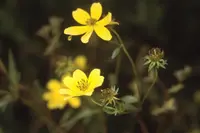
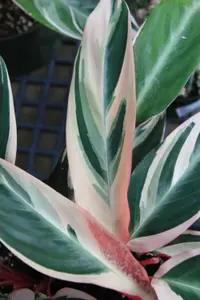
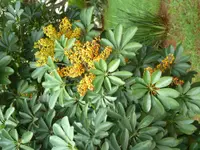
pollia Care (Pollia crispata)

pollia

About pollia

Pollia crispata, often simply called pollia, is a small tropical understory plant grown mainly for its foliage rather than flowers. It typically forms low clumps of arching, lance-shaped leaves that give a soft, layered look in shaded spaces.

This species is native to humid forests in parts of Africa, where it grows on the forest floor under dappled light. It adapts reasonably well indoors if given stable warmth, consistent moisture, and a loose, well-drained potting mix.

Its preference for humidity and dislike of drying out completely can make care for pollia moderately demanding for beginners, but it stays compact and manageable in containers.

Main Plant Requirements

Care Difficulty

Moderate Care

Light Preference

Partial Shade

Water Requirements

Keep Soil Moist

Temperature Preference

Tropical / Frost Sensitive

Hardiness Zone

10–11

Soil Texture

Loamy, Silty, Organic-rich

Soil pH

Acidic (5.5–6.5)

Soil Drainage

Moist but well-drained

Fertilization

Light (every 4–6 weeks)

Get Personalized Care Plan

Scan your plant to receive care tips personalized for your specific plant

Available on iOS and Android

How to Care for the pollia

This understory plant prefers bright, filtered light that mimics dappled forest shade.

  • Provide 3–5 hours of bright, indirect light daily, such as morning sun through a sheer curtain or light under open tree canopy.
  • Allow partial to full shade at midday; strong afternoon sun can scorch leaves, causing pale, dry patches and leaf curl.
  • In summer, shift Pollia crispata to slightly deeper shade if foliage pales; in winter, move closer to brighter windows or more open canopy to compensate for shorter days.

This species prefers consistently moist, not waterlogged, soil that never stays dry for long periods.

  • Water when the top 2–3 cm of soil feels slightly dry, aiming for evenly damp soil down to root depth, especially during active growth.
  • Use a loose, well-draining mix or soil rich in organic matter so excess water runs through, reducing risk of root rot and sour smell.
  • In cooler months, allow the top 3–4 cm to dry before watering; drooping, thin leaves suggest underwatering, while yellowing, mushy stems indicate overwatering.

Stable, warm conditions support strong growth and healthy foliage.

  • Aim for 65–80°F (18–27°C) during the growing season, which closely matches its native forest-floor conditions.
  • Avoid exposing Pollia crispata to temperatures below 50°F (10°C); prolonged chills can cause leaf drop and slow recovery.
  • It tolerates short spikes up to about 86°F (30°C) if shaded and kept evenly moist, but any frost or freezing conditions can kill stems and damage roots.

This species prefers moderately high, stable humidity to maintain healthy foliage.

  • Aim for 50–70% humidity, as very dry indoor air below 40% often leads to leaf-edge browning and curling.
  • In centrally heated rooms, monitor for slow growth and crisp leaf tips, which indicate humidity stress rather than underwatering.
  • Increase humidity by grouping plants, placing the pot on a pebble tray with water below the pot base, or using a small humidifier nearby.

Pollia crispata grows best in loose, humus-rich, evenly moist but sharply draining soil.

  • Use a mix of roughly 50% peat-free potting mix or coco coir, 25% fine bark, and 25% perlite or pumice for structure and drainage.
  • Aim for slightly acidic to neutral pH around 6.0–7.0, which supports nutrient uptake and root health.
  • Ensure the soil feels springy rather than compact; if it clumps tightly, lighten it with more perlite or fine bark to increase aeration.
  • Avoid heavy clay, waterlogged sites, or pure sand, which either suffocate roots or dry out too rapidly between waterings.

This species is well suited to container growing when the pot supports its spreading root system and moisture needs.

  • Choose a pot that is wide rather than very deep to accommodate shallow, spreading roots and allow even moisture distribution.
  • Select a slightly heavier container material, such as ceramic, to stabilize the plant and reduce rapid moisture swings in outdoor settings.
  • Elevate the pot on feet or bricks so drainage holes stay clear, allowing excess water to escape quickly after heavy watering or rain.

This understory plant needs modest feeding to maintain steady foliage growth in containers or nutrient-poor soils.

  • Use a balanced liquid fertilizer (for example 10-10-10) at 1/4–1/2 strength for pollia indoor care or potted plants.
  • Feed every 4–6 weeks during the warm growing season when growth is active.
  • Stop or greatly reduce feeding in fall and winter, when growth slows.
  • In rich garden soil, rely mainly on a thin top-dressing of compost in spring rather than frequent synthetic fertilizer.

Pruning Pollia crispata is light and mainly corrective, aimed at tidiness and plant health.

  • Best time is late winter to early spring, before strong new growth starts.
  • Use clean, sharp scissors or hand pruners to remove dead, damaged, or diseased foliage and stems.
  • Thin out crowded or leggy shoots to improve air flow and maintain a compact clumping shape.
  • Trim flowering stems only after berries fade if fruit display is not needed.

Repotting or transplanting is occasional and guided by root crowding and reduced vigor.

  • Plan to repot or transplant every 2–3 years, or when roots circle the pot base and drainage holes.
  • Carry out moves in spring, when Pollia crispata resumes active growth and recovers fastest.
  • Choose a container 2–3 cm wider with free-draining, humus-rich mix, and plant at the same depth.
  • Loosen circling roots gently, water thoroughly after moving, and keep in shaded, stable conditions for 1–2 weeks.

Propagation is usually done vegetatively to maintain desirable forms and speed up establishment.

  • Divide mature clumps in spring, separating sections with healthy roots and at least 2–3 shoots each.
  • Replant divisions into moist, humus-rich soil or pots, and keep evenly damp until established.
  • Take short stem or rhizome pieces with nodes, and root them in a loose, slightly moist substrate in warm shade.
  • Seeds can be sown fresh in a shaded, consistently moist tray, though germination is often slow and uneven.

Winter care depends on local climate, as this is a warmth-loving understory species with limited frost tolerance.

  • In mild climates, apply a 5–8 cm mulch layer over the root zone to buffer soil temperature and moisture.
  • In colder areas, grow in containers and move plants indoors or into a frost-free greenhouse before freezing nights.
  • Keep overwintered plants just slightly moist, avoiding waterlogged soil in cool conditions.
  • Do not cut back foliage too hard before winter; allow stems to die back naturally where frost occurs.

Care Tips

Refresh Crowded Clumps

Every 2–3 years, gently lift and divide congested clumps at the start of the growing season to maintain vigorous foliage and encourage more even, compact growth.

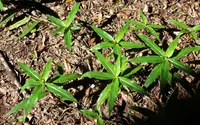
Use Wide, Shallow Pots

Select a wider, shallower container rather than a deep narrow one so the creeping rhizomes can spread horizontally and create a fuller mat of growth.

Leaf Litter Mulch

Top-dress the surface with a thin layer of fine, composted leaf mulch to mimic its forest-floor habitat, moderating moisture and protecting shallow roots from temperature swings.

Staggered Repotting

If keeping multiple plants, repot only a few each year so some remain undisturbed, which reduces stress and provides a visual reference for how well different potting mixes and techniques grow Pollia crispata.

Targeted Pest Checks

Inspect the undersides of the soft leaves and the tight shoot bases every few weeks, since these sheltered areas are where early mealybug or scale infestations tend to establish first when caring for pollia.

Common Pests and Diseases

Spider mites

This pest often appears on Pollia crispata grown in warm, dry indoor conditions, causing stippled, pale leaves and fine webbing on the undersides. Symptoms include overall leaf dullness and slowed growth, especially in low-humidity rooms.

Solution

Rinse foliage thoroughly with lukewarm water, focusing on leaf undersides, and repeat every few days for 1–2 weeks; follow with insecticidal soap or a ready-to-use neem oil spray labeled for indoor ornamentals. Increase humidity to 50–60% and avoid placing the plant next to heat sources to make conditions less favorable for mites; isolate heavily infested plants to prevent spread.

Mealybugs

These insects hide in leaf axils and along stems of Pollia crispata, where they appear as small white cottony clusters and excrete sticky honeydew. Symptoms include distorted new growth, slow vigor, and sometimes sooty mold growing on the honeydew.

Solution

Dab visible insects with cotton swabs dipped in isopropyl alcohol (70%) and wipe infested areas thoroughly, then rinse the plant with water. For larger populations, use an insecticidal soap spray every 7–10 days until no new mealybugs appear and inspect regularly where leaves join the stems as part of ongoing Pollia crispata plant care.

Leaf spot

This disease often develops in dense, shaded clumps where foliage stays wet, causing small, water-soaked spots that enlarge into brown or tan lesions with darker edges. Symptoms include premature yellowing and drop of older leaves, especially when overhead watering is frequent.

Solution

Remove and discard affected leaves, then water at soil level to keep foliage as dry as possible and improve air movement around the plant. If new spots continue to form, apply a copper- or chlorothalonil-based fungicide labeled for ornamental foliage plants, following the label rates and intervals.

Soft scale

These insects attach along the stems and leaf midribs as small, smooth, tan or brown bumps that do not move when touched but produce honeydew. Symptoms include sticky leaves, reduced vigor, and sometimes black sooty mold developing on the sugary deposits.

Solution

Prune out heavily infested stems and gently scrape or wipe remaining scales with a soft cloth or toothbrush dipped in soapy water. Follow up with 2–3 rounds of horticultural oil or insecticidal soap at 7–14 day intervals, making sure to cover stems and leaf midribs thoroughly, and monitor nearby plants for early signs of spread.

Interesting Facts

Forest floor specialist

This species naturally grows on the shaded forest floor of moist tropical woodlands, forming low clumps that spread by short creeping stems between leaf litter and rocks.

Shingling leaf habit

Its leaves often press flat against tree bases, rocks, or the soil surface in a loose shingling pattern, which helps it capture limited light in dense understory shade.

Subtle flowering strategy

The plant produces small, inconspicuous white to pale flowers in short clusters, relying more on its dense groundcover habit than showy blooms for ecological success.

FAQs about pollia

Yellowing leaves usually come from excess moisture around the roots, poor drainage, or natural aging of older foliage. Check for soggy soil, improve drainage, reduce watering frequency, and remove only fully spent leaves to prevent rot.

Grow Healthy Plants with Botan Care

Keep your plants happy and healthy with plant identification, disease detection, and easy care guidance.

Botan plant care app — identify plants on mobile

Explore More Plants